Malt Against Tax
Grain
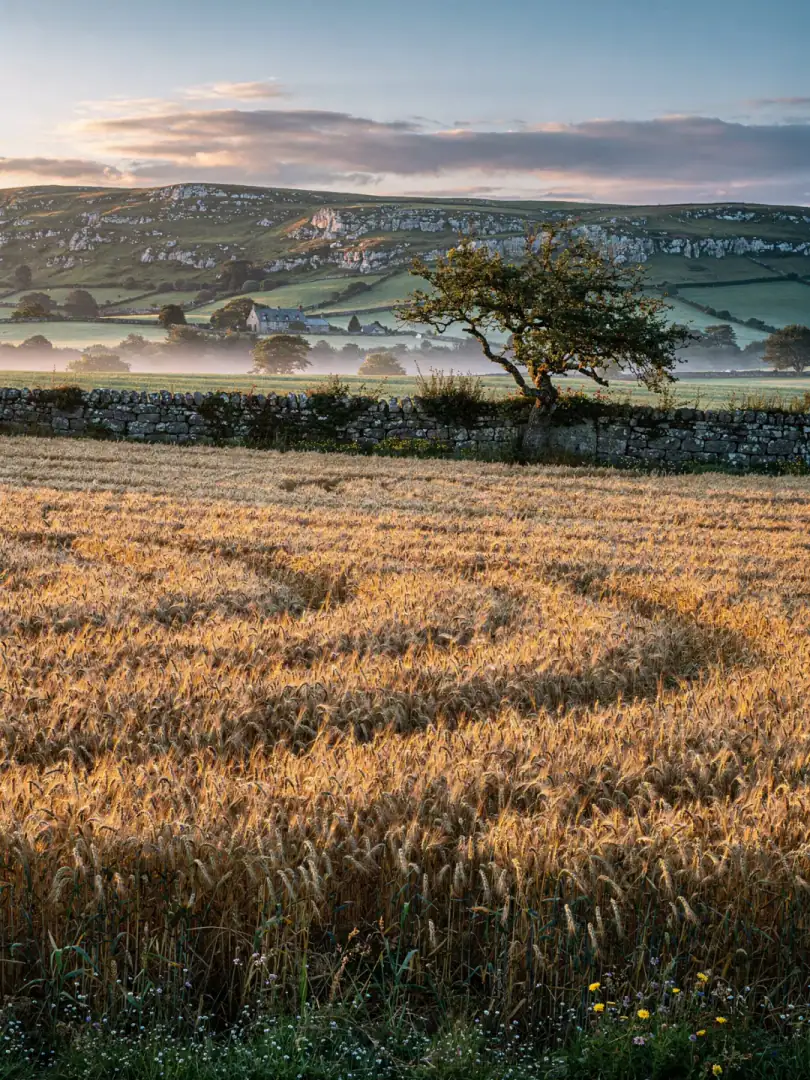
Anyone sowing barley in Munster is sowing for pot still – the style of whiskey that sets Ireland apart from Scotland. Its mash bill blends malted and unmalted barley, at least 30 percent of each, with up to 5 percent other grains such as oats, wheat or rye permitted. That's how Ireland's 2014 Technical File defines it.
The blend itself is over 200 years old. In 1785, the British Crown introduced a tax on malted barley, and Irish distillers did the maths: malting cost money, raw barley didn't. They used just enough malt to convert the starch in the rest of the grain into sugar, stretching the remainder with unmalted barley. A tax loophole became a style all its own.
You can taste the difference straight away. Unmalted barley brings an oiliness and a slightly nutty, spicy note to the whiskey that malted barley alone can't deliver. Redbreast, Green Spot and Midleton Very Rare all owe their creamy, slightly peppery edge to this blend – qualities you won't find in a pure single malt from Scotland.
At Waterford, they take the idea of barley even further. The distillery sources from around a hundred farms across Ireland, organically and biodynamically farmed, malting and distilling each variety separately. Their whiskey is pure single malt, fully malted, but every bottling carries the name of the farm the barley came from – a counterpoint to the blended pot still tradition, grown from the very same soil.