Nose First
Tasting
A nosing glass or tulip glass holds the aromas together and lets them gather in the bowl. With a 40% ABV brandy, don't inhale deeply—instead, hold your nose just above the rim with your mouth slightly open. Smell the glass first, then take a small sip and hold it briefly in the mouth.
A mature Marc or Fine shows best at room temperature, leaning cool rather than warm, since warmth brings the alcohol forward. A drop or two of water can open up certain aromas. Between samples, water and a piece of bread are enough to reset the palate.
According to the trade, Marc de Bourgogne brings herbaceous, spicy notes along with light fruit aromas and caramel. On the palate it feels robust, with noticeable tannins.
Fine de Bourgogne, aged for several years in oak, instead shows the oaky notes of vanilla and spice on a wine distillate, without the bitterness of skins found in Marc. Since it has spent at least three years in wood, the oak character is usually quite pronounced on the nose.
With Marc champenois, it's worth comparing two stages. The white marc, which has only rested in tank, smells floral and fresh, while the wood-aged version is warmer, chocolatey, and touched with vanilla.
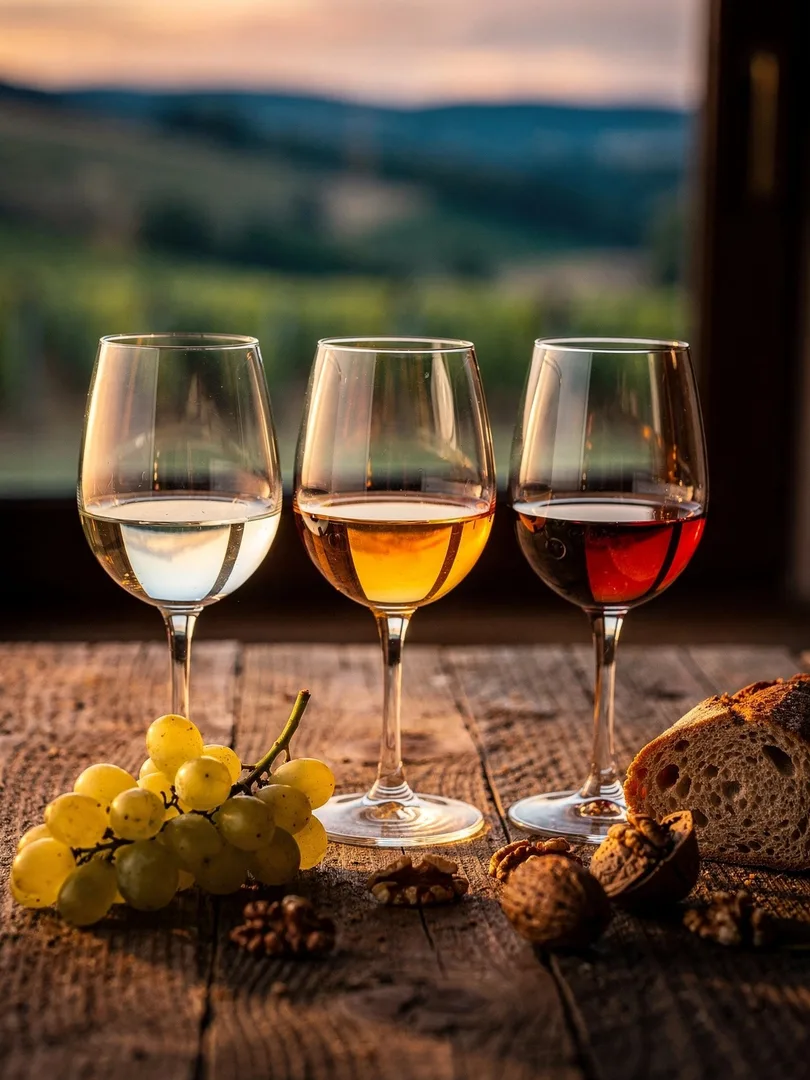
For a side-by-side comparison, set out four glasses: Marc de Bourgogne, Fine de Bourgogne, Marc champenois and Marc du Jura. The range runs from floral to spicy in aroma, and from colourless to deep amber in colour.
In Burgundy, Marc was traditionally served as a digestif in small glasses after dinner. There's also a second tradition: the brandy is poured into a hot coffee cup with sugar melting at the bottom.