Busby and Kirkton
Region & History
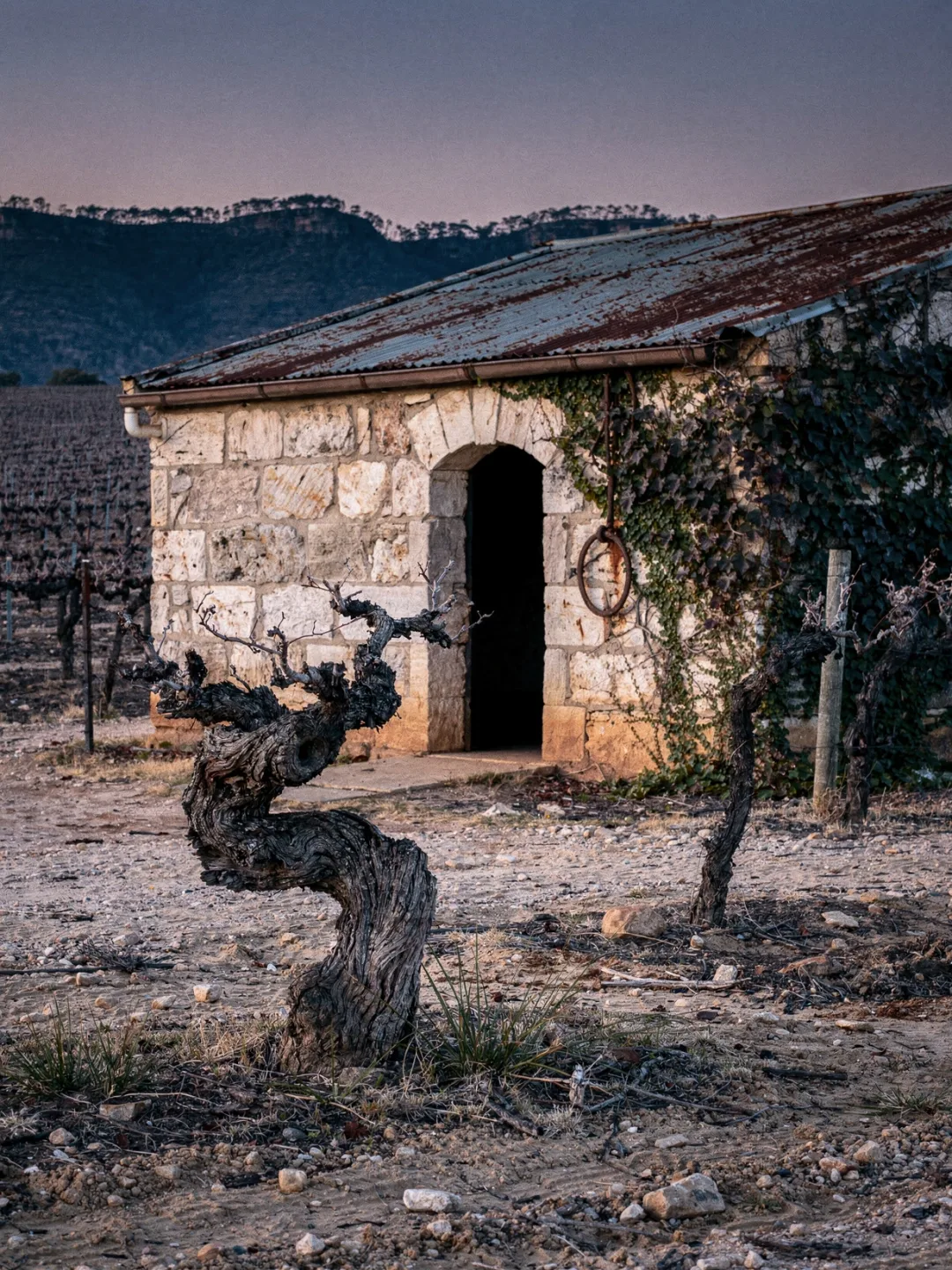
James Busby wasn't a winemaker. He was a young Scot with a fixed idea that Australia ought to be capable of wine, and in 1825 he bought a stretch of land between Branxton and Singleton. He named it Kirkton, after his birthplace near Edinburgh. Seven years later he returned from a journey through Europe and South Africa with roughly five hundred vine cuttings in his luggage. Among them were six Syrah vines from the Hermitage hill on the Rhône, which became the source of nearly every Hunter Shiraz.
By 1840, more than two hundred hectares of vineyard were already registered in the land books. What came out of them was sold under names that had little to do with the truth. Semillon was called Hunter River Riesling, the red wine Hunter River Burgundy, and Shiraz went for a long time under the name Hermitage, borrowed directly from the very French hill the cuttings came from. Back then, a name was a selling point. Only a century later did it become a legal problem.
The founding families arrived in the second half of the century. Edward Tyrrell planted the first vines of his estate in Pokolbin in 1858, today the oldest continuously family-run winery in Australia, now in its fifth generation. Henry Lindeman had already begun in 1843 at Cawarra on the Paterson River. While phylloxera devastated Europe's vineyards in the decades that followed, the Hunter was spared. To this day, Shiraz vines from 1867 and Semillon from 1899 still stand here, ungrafted, on their own roots, without American rootstock.
The valley earned its decisive reputation through a single winemaker. Maurice O'Shea had studied oenology in Montpellier and Paris and in 1921 bought the Old Hill vineyard together with his mother and brother, renaming it Mount Pleasant. His Mothervine, a Pinot Noir vine from those years, is considered the oldest of its variety in Australia. O'Shea sold half the estate to McWilliam's in 1932 but remained its winemaker until his death in 1956, mentoring along the way two men who would later become legends in their own right: Max Schubert, who created Grange, and Max Lake.
Lake founded Australia's first boutique winery, Lake's Folly, in 1963 and was among the first to plant Cabernet Sauvignon in the valley. The legal framework came only much later: the Hunter Valley zone was registered in 1996, followed by the Hunter region in 1997, with Broke Fordwich as its first sub-region. Pokolbin and Upper Hunter followed in 2010. The name Hermitage may no longer appear on any bottle.