The short answer
A grape variety is a specific type of wine grape, such as Riesling or Chardonnay. Each variety produces its own kind of grapes and shapes the wine accordingly. But it doesn't decide everything on its own. Origin, vintage, and the work done in the cellar all play a major role too.
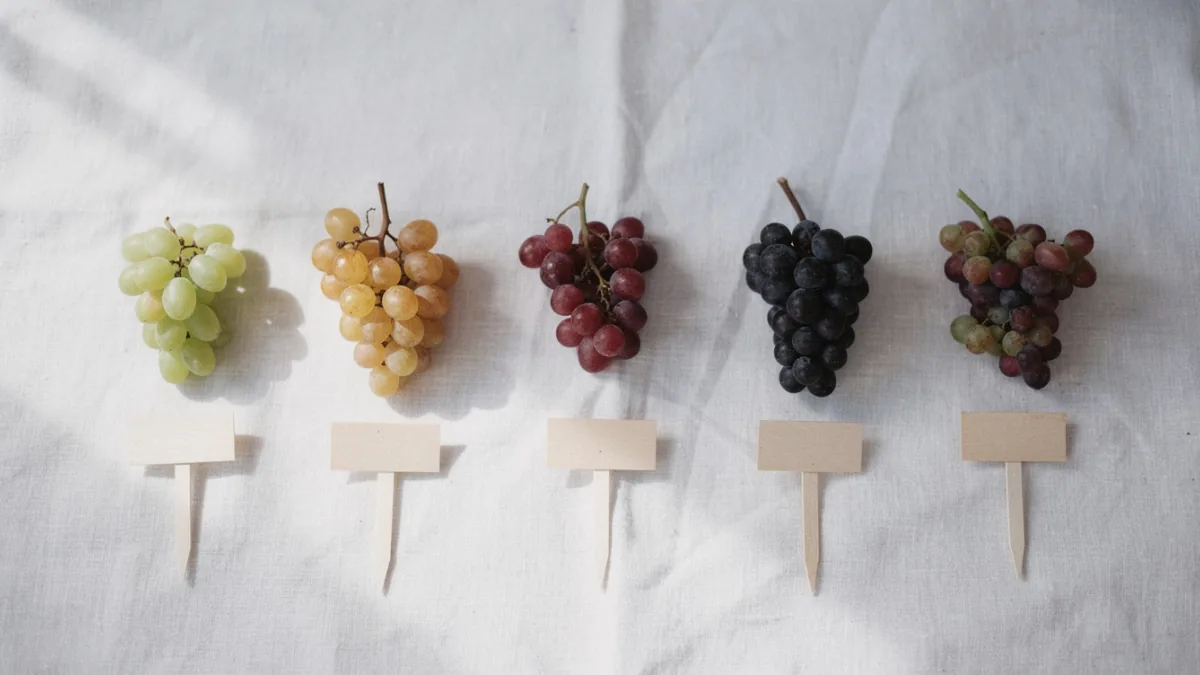
Telling variety, origin, and name apart
A label often carries several names side by side: the winery, the region, a single vineyard, and the grape variety. Each one answers a different question. The grape variety tells you which grapes went into the wine. The origin tells you where those grapes were grown. The producer's name tells you who made or bottled the wine.
Next time you're shopping, take two labels and deliberately look for these three pieces of information. If the grape variety isn't on the front, that's not a flaw. Some wines are known primarily by their place of origin.
Bordeaux is the best-known example of this. The name answers the question of where, not which grape. Merlot, on the other hand, is a grape variety and says nothing about where the vines grew. Anyone who lumps both words into the same category will be surprised later. Two bottles with the same name can, after all, taste very different.
In the shop, a simple check helps. Pick up a bottle and ask yourself, for each word on the label: grape, place, or producer? With some wines, the grape goes unmentioned. That's a choice made by the producer and says nothing about the quality of what's inside.
Same grape, very different wines
A Chardonnay can age in a stainless steel tank or in an oak barrel. Both bottles carry the same grape variety on the label, yet they taste different. Riesling, too, isn't automatically sweet. The variety comes in several degrees of sweetness.
Some varieties also go by two names. Spätburgunder and Pinot Noir refer to the same grape, as do Weißburgunder and Pinot Blanc. So a new name on a wine list doesn't necessarily mean an unfamiliar grape. When exploring, it helps to start with a name you already know. From there, ask specifically about origin or aging. Aging refers to the cellar work done after fermentation.
A grape variety sets more of a framework than it determines the outcome. Within that framework, origin, vintage, and cellar work decide how the wine ultimately comes across. So don't stop at the variety when asking questions. If a particular style matters to you, ask about the aging process.
You don't need to memorize the double names. It's enough to know that they exist. If a wine list shows a name you can't place, ask the staff. Whether it's hiding a variety or an origin is quickly answered, and it's a perfectly normal question to ask.
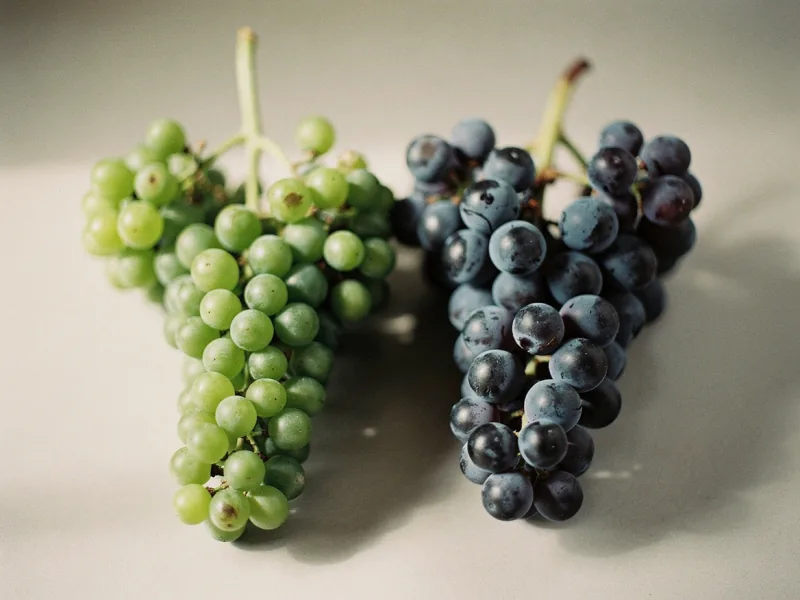
What the grape variety name doesn't tell you
The first misunderstanding concerns sweetness. A variety name alone doesn't tell you how sweet a wine tastes. Riesling comes in various degrees of sweetness. Those are noted elsewhere on the label or clarified in conversation.
The second concerns expectations tied to the name itself. Two bottles of the same grape variety don't have to be similar, since origin, vintage, and aging all play a role. Anyone who has tried one Chardonnay and believes they now know the variety will be surprised by the next bottle.
The third concerns silence on the label. If the grape variety is missing, nothing is being hidden. Some wines have always been known by their origin. There, the place name carries more information than a grape name would.
Trying the same variety from two countries
The simplest experiment requires two bottles of the same grape variety with different aging methods. Set them side by side, taste them alternately, and jot down two or three key impressions. The goal isn't to nail technical terms. You should notice how far apart two wines with the same grape name can be.
A second round involves origin: same variety, different region. With Riesling, it's better to compare two sweetness levels. After a few rounds like this, you'll read a label differently. You'll know exactly which question each piece of information answers.