Errázuriz and Panquehue
Region & History
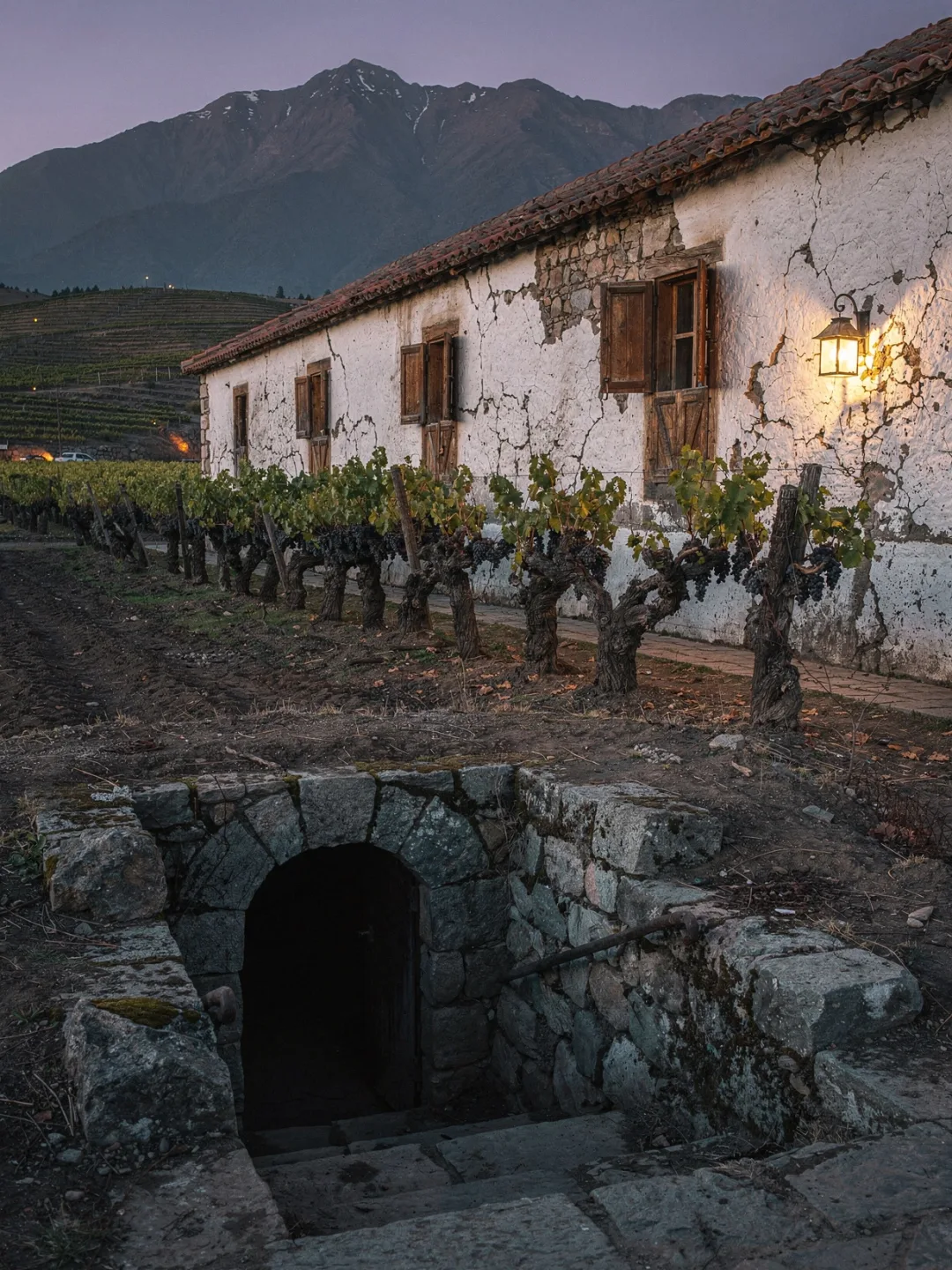
In 1870, a young Chilean of Spanish descent bought land in Panquehue, right in the heart of the Río Aconcagua valley. Don Maximiano Errázuriz had studied in France, and from there he brought back cuttings that didn't yet exist in Chile: Cabernet Sauvignon, Merlot, Carmenère, Sauvignon Blanc, Sémillon—all from pre-phylloxera Bordeaux. He didn't build an ordinary vineyard. He built an estate modeled on French tradition, complete with an underground cellar that still sits beneath Panquehue today and has already survived five earthquakes.
Building the bodega took fourteen years, because Errázuriz listened to a French oenologist and refused to rush anything. It paid off. As early as the 1870s, wine from Panquehue was considered among the finest in South America—long before anyone spoke of Chilean wine without raising an eyebrow.
A century later, this origin also gained legal standing. In 1994, Chile's Ministry of Agriculture issued Decree No. 464. It divides the country's wine regions into regions and subregions and sets out when a label may bear the name of a valley: at least seventy-five percent of the grapes must come from there, verified by the Servicio Agrícola y Ganadero, known as SAG. Aconcagua became its own region with the Valle de Aconcagua subregion, distinct from Casablanca, its cooler neighbor closer to the sea, with which it's still often confused.
The next great moment came on January 23, 2004, in a hotel in Berlin. Eduardo Chadwick, descendant of the founding family and current owner of Errázuriz, invited thirty-six European critics to a blind tasting. Seña 2001 from Panquehue beat both Château Lafite 2000 and Château Margaux 2001. From that day on, the wine world talked about Chile differently—more seriously, and with far less condescension. A village of a few thousand people had just beaten Bordeaux.