The short answer
Wine is made from grape juice. Tiny organisms called yeasts consume the sugar in the juice and release alcohol and carbon dioxide as they do. This process is called fermentation. The grape sets the starting point. What happens afterward in the cellar shapes the style of the finished wine.
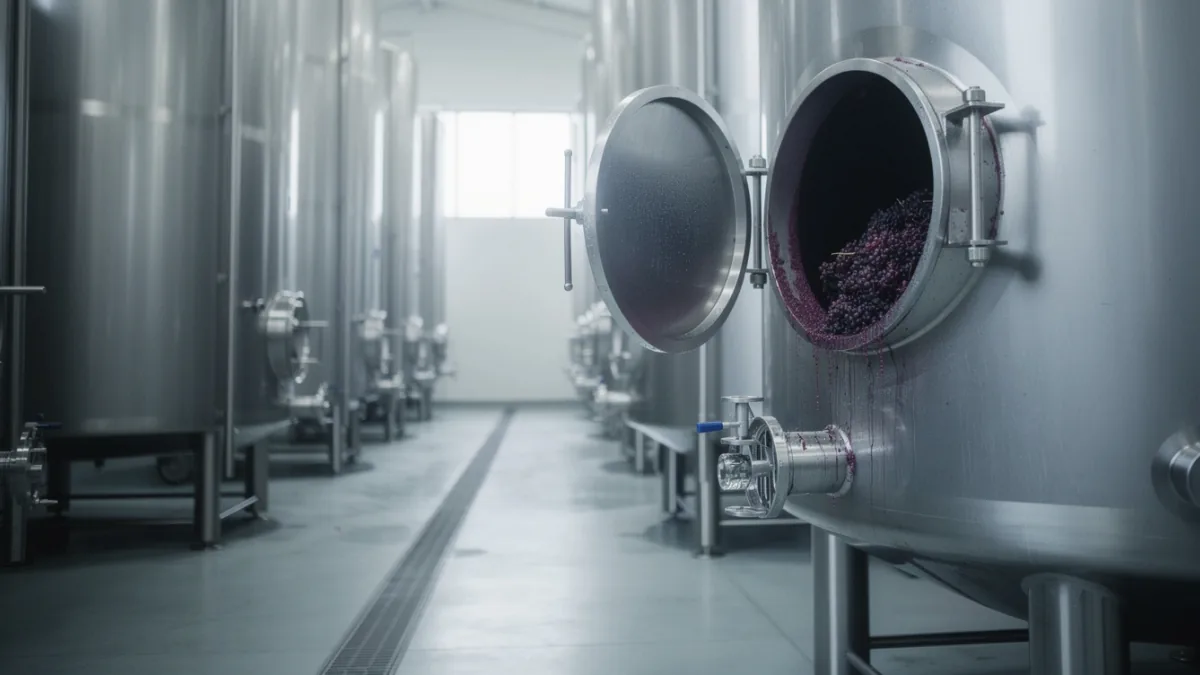
Fermentation is the decisive step
Grape juice isn't wine yet. Only fermentation turns it into one. During this process, some of the sugar disappears, sometimes almost all of it. How much remains decides whether the wine comes across as dry or sweet. At the same time, the aroma changes. A wine therefore doesn't have to smell like fresh grape juice.
Aging is the time between fermentation and bottling, along with all the decisions made during it. This includes whether the wine rests in a stainless steel tank or in an oak barrel. The cellar isn't a waiting room. Even without any new ingredients, a wine changes during this time.
The yeasts are the real workers. They feed on the sugar in the grapes and release alcohol and carbon dioxide in return. If fermentation runs all the way through, hardly any sugar remains, and the wine tastes dry. If the winemaker stops it early, you'll taste the remainder as sweetness. That's exactly why the same juice can end up bone-dry in one glass and noticeably sweet in another.
The aroma is explained the same way. Most of what you smell only develops during fermentation. It isn't there yet in the juice beforehand. If a wine smells of lemon peel, apple, or spice, nobody added anything to make that happen. Aging works similarly. A steel tank stays largely neutral, while oak contributes something of its own. And time alone changes a wine, with no further intervention needed.
Why color doesn't explain everything
To get your bearings, three groups will do for a start: white wine, red wine, and rosé. Then there's the question of whether a wine is still or sparkling. Within each group, there are huge differences. A pale wine can be powerful, a dark red one soft. Color tells you neither the sugar level nor your personal preference.
If you want to describe a bottle, start with simple observations: color, noticeable sweetness, freshness, and weight in the mouth. The name of a region is extra information at that point. You don't need to know it to join the conversation.
Sorting by color is a starting point, not a verdict. It gives you a rough idea of what you're dealing with, and whether it's still or sparkling. Everything else gets decided in the glass. Two white wines side by side can differ more than a white wine and a light red. After two sips, you'll notice that more clearly than from any label.
Practice describing wine using concrete questions. Does it taste sweet or not? Does it feel fresh and lively on the tongue, or broad and calm? Does it leave weight in your mouth after swallowing? Four such observations are enough to say what you're looking for at the shop. You can add the region afterward.
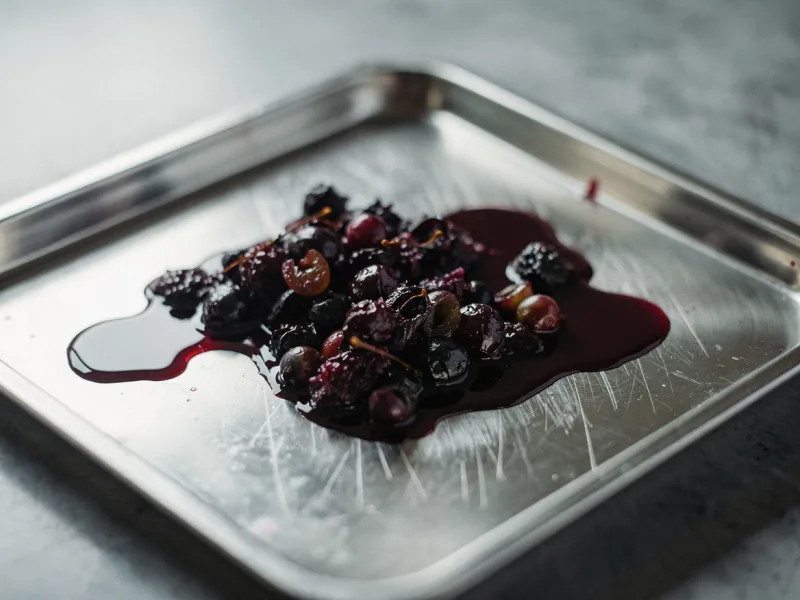
What many people get wrong about wine
Dark doesn't mean heavy, and pale doesn't mean harmless. Color develops through a different process than alcohol, sweetness, and mouthfeel. You can't infer one from the other. Rosé isn't a distinct flavor category either. There are dry and sweet rosés, just as there are with white and red wines.
The second stumbling block is the word "dry." It only tells you that little sugar remains. Such a wine doesn't have to taste harsh or sour because of it. A dry wine can feel soft and rounded, while a sweet one can taste fresh and crisp. Once you've tasted both side by side, you'll rarely confuse sweetness and acidity again.
Tasting two wines side by side
Set two bottles of the same color next to each other and pour both at the same time. In a direct comparison, you'll spot differences far more easily than on two separate evenings. Pay attention first to the sweetness, then the freshness, and finally the weight in the mouth. Note in one sentence which of the two you prefer and why.
After a few rounds like this, you'll have developed your own language for describing your taste. You don't need to match it to anyone else's. It should just stay consistent over the months so your notes remain comparable. Later, at the shop, these notes will be worth more than any ranking list.