Morandé's Cold Bet
Region & History
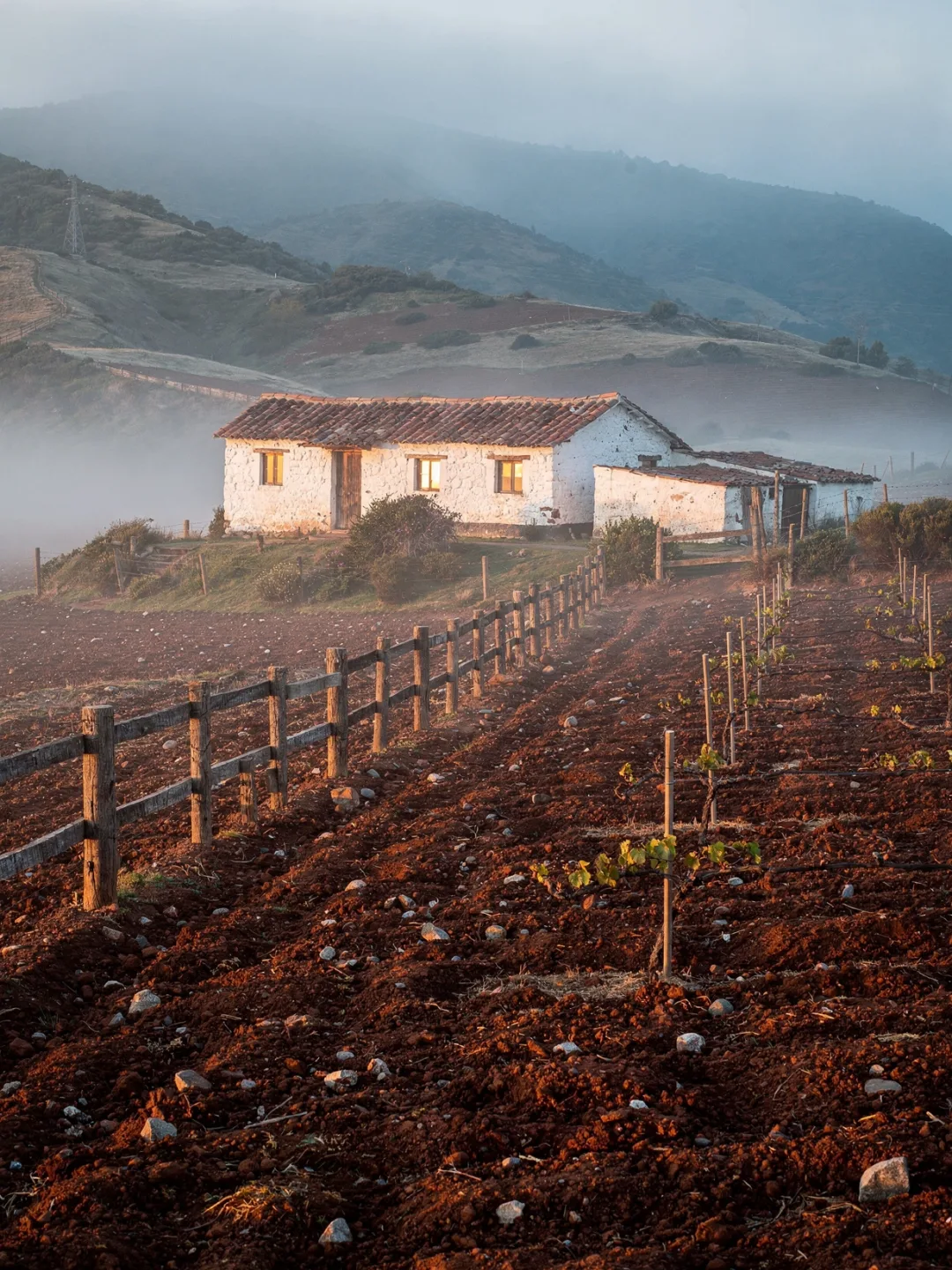
Where Sauvignon Blanc grows today, sheep grazed until the 1980s. Casablanca lay between Santiago and Valparaíso, a stretch of land with wheat fields and cattle pastures. No one grew wine here, since inland winemakers knew this coastal strip only as cold and unpredictable. The protective Coastal Range was missing at this point, so the damp, cool air from the Pacific swept unhindered far into the valley.
In 1982, corporate winemaker Pablo Morandé saw something no one else did. At the time he worked as chief oenologist at Concha y Toro and knew California's cool coastal sites firsthand, especially Carneros. In the rolling hills of Tapihue, right in the heart of Casablanca, he recognized that same cool proximity to the ocean. He leased land there and planted twenty hectares of Chardonnay, Riesling, and a grape everyone at the time believed was Sauvignon Blanc. Colleagues called him crazy. The first frost nearly destroyed the young vines before they had even borne grapes. Morandé replanted.
Three years later came the harvest that changed everything. The Chardonnay from the cool, foggy valley tasted fresh, with an acidity never achieved in the warmer interior. Suddenly everyone wanted to know what a wine from the Chilean coast tasted like. Within a few years, San Antonio, Leyda, and other coastal valleys followed Casablanca's example, and a sheep pasture became what is now known as Chile's cool-climate revolution.
On December 14, 1994, the valley received its own legal name: Decreto de Agricultura No. 464 established the Denominación de Origen Valle de Casablanca. It is still administered today by the Servicio Agrícola y Ganadero, known as SAG. On paper, Casablanca belongs to the larger Aconcagua wine region, though climatically it has almost nothing in common with the warm Aconcagua Valley inland.
At the same time, a second story began at the other end of the valley. The Kingston Family descends from an American copper miner who arrived in Chile in 1906 and, instead of gold, found only a cattle ranch near Lo Ovalle. Their descendants planted the first vines in the early 1990s and today craft some of the country's most sought-after Pinot Noirs.