From Chillán to VIGNO
Region & History
Before there was Chile, there was wine. In the sixteenth century, Spanish missionaries brought the País variety to the Maule Valley to press sacramental wine for their newly founded parishes, not to trade it. Experts today list the grape under the name Listán Prieto, the same variety California calls Mission. For a long time, none of it was sold commercially. What emerged instead was South America's longest continuously cultivated wine landscape, a strip of land that never stopped bearing grapes.
On January 24, 1939, an earthquake measuring 8.3 destroyed the city of Chillán in northern Maule. Around twenty-eight thousand people died that evening. To this day, it remains the most devastating earthquake in Chile's history. At the time, viticulture consisted almost entirely of the thin, low-acid País variety, so in the following years the Ministry of Agriculture distributed cuttings of Carignan, a robust grape from southern France, to be planted as unirrigated bush vines without trellising. What began as an emergency fix became the region's finest wines.
More than seventy years later, an even larger earthquake struck the same coast. On February 27, 2010, an 8.8-magnitude earthquake centered off Maule shook the entire country. The wine industry lost around one hundred twenty-five million liters of wine, nearly ten percent of the annual harvest, as unsecured steel tanks in the cellars burst open, since no one had designed them to withstand an earthquake. Some winemakers wanted to give up. Twelve wineries had already joined forces earlier to save the old Carignan vines from being uprooted. After the earthquake, they signed a shared set of rules and founded VIGNO, short for Vignadores de Carignan.
Not every story begins with destruction. In 1877, winemaker Emile Bouchon left his home in Saint-Émilion and came to Chile. His descendants settled in the hamlet of Mingre near San Javier, in the heart of the Loncomilla Valley, where plots of País vines over a hundred years old still stand today. No one back then imagined that this sacramental grape would one day yield sought-after bottled wines.
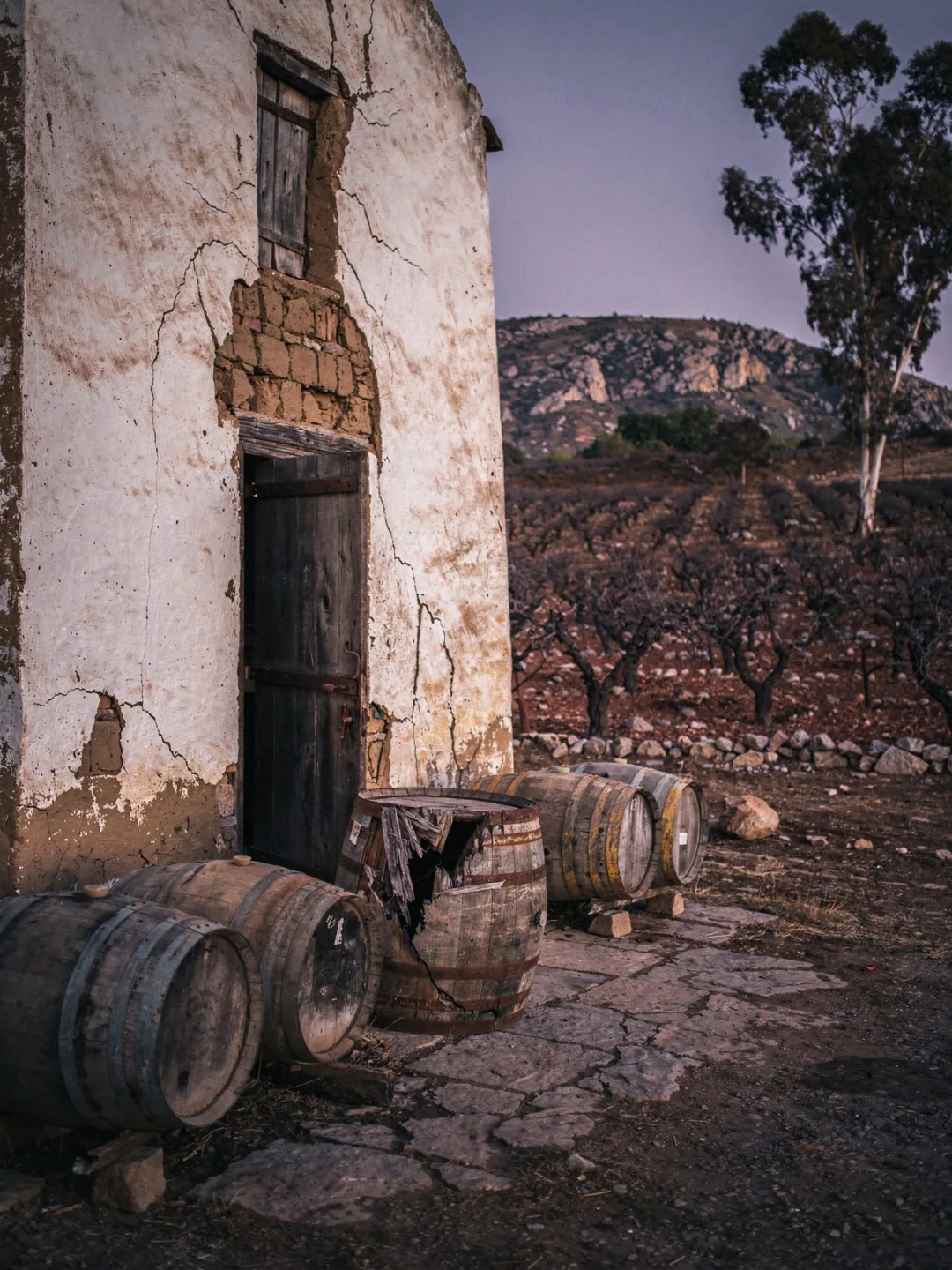
Today, with over thirty thousand hectares, Maule is Chile's largest Denominación de Origen. It's divided into three valleys: Claro, Loncomilla, and Tutuvén. Down along the river lie irrigated plains with Cabernet Sauvignon planted in neat rows, while up in the dry granite hills around Cauquenes, decades-old bush vines grow without a single drop of irrigation. This second world is called Secano Interior, the dryland.