From Genoa to Patrimonio
Region & History
In 565 BC, Phocaean Greeks land on Corsica's east coast and found Alalia, today's Aléria. They bring the vine with them, along with the olive tree and the knowledge of grafting and pruning. For six hundred years Alalia remains a trading post for wine, before Rome takes over the island and expands the export trade.
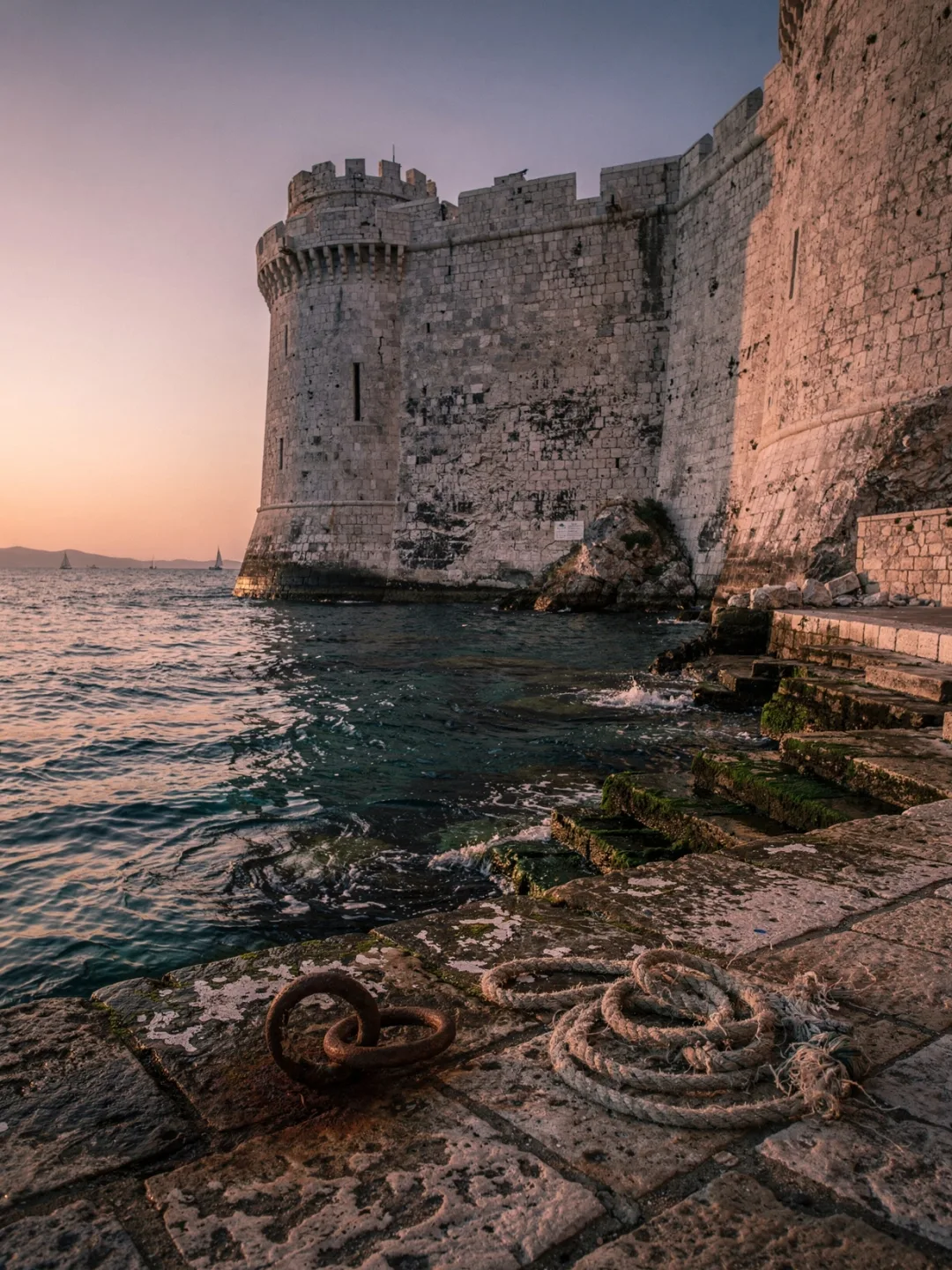
After the fall of the Roman Empire, viticulture nearly vanishes entirely. Only in the eleventh century do monks from Pisa revive cultivation, initially just for sacramental wine. From 1284, following a naval battle off Meloria, the Genoese take over the island's coasts — they barely penetrate the interior, where mountains and maquis prove too rugged. Instead they build fortified harbors: Calvi, Bonifacio, and later installations around what is now Patrimonio. The Genoese stay for nearly five centuries. With them comes, most likely, a dark-berried grape later named Niellucciu.
It took DNA analysis in the late 1990s to confirm what growers had long suspected: Niellucciu is genetically identical to Tuscan Sangiovese, having simply grown on an island for centuries and become its own thing in the process. Exactly how the vine made the crossing can no longer be established with certainty.
In 1768 the Republic of Genoa sells the island to France under the Treaty of Versailles, receiving an annual payment in return. Pasquale Paoli's short-lived Corsican Republic holds out for another year, then falls at Ponte Novu in 1769. A few months later, Napoleon Bonaparte is born in Ajaccio.
For wine, the new century initially brings growth, then, around 1900, phylloxera, which destroys almost everything. The next major upheaval comes after 1962. Over seventeen thousand people, the so-called Pieds-noirs, settle on the island following Algerian independence and plant vines on a grand scale. The area under vine grows to more than thirty thousand hectares, almost all of it simple bulk wine. When the market collapses in the 1970s, it shrinks to a third of that by 1990. Only from that point on does Corsica commit consistently to native varieties and to provenance over volume. The state-controlled designation of origin AOC, short for Appellation d'Origine Contrôlée, had already been granted to Patrimonio in 1968 as the island's first such region — the local winegrowers had applied for it as early as 1942.