From Luni to Doria
Region & History
The Roman writer Pliny the Elder wrote his Natural History around 77 AD, in which he counted the wine from Luni among the famous wines of Italy. Luni stood on the border with Tuscany. The port had its own amphitheater and its own shipyards. To this day, the DOC Colli di Luni, split between Liguria and Tuscany, carries this name forward — almost two thousand years after Pliny.
Starting around 1100, farmers on the eastern coast began turning the steep slopes of what is now the Cinque Terre into terraces. Stone upon stone, they built dry-stone walls without a drop of mortar — in Ligurian dialect they're called marogne. Genoa was at the time one of the wealthiest maritime republics in the Mediterranean, its galleys sailing as far as Constantinople, and the wine from the terraces went along for the ride. Sailors drank it farther from home than many a Genoese ever traveled.
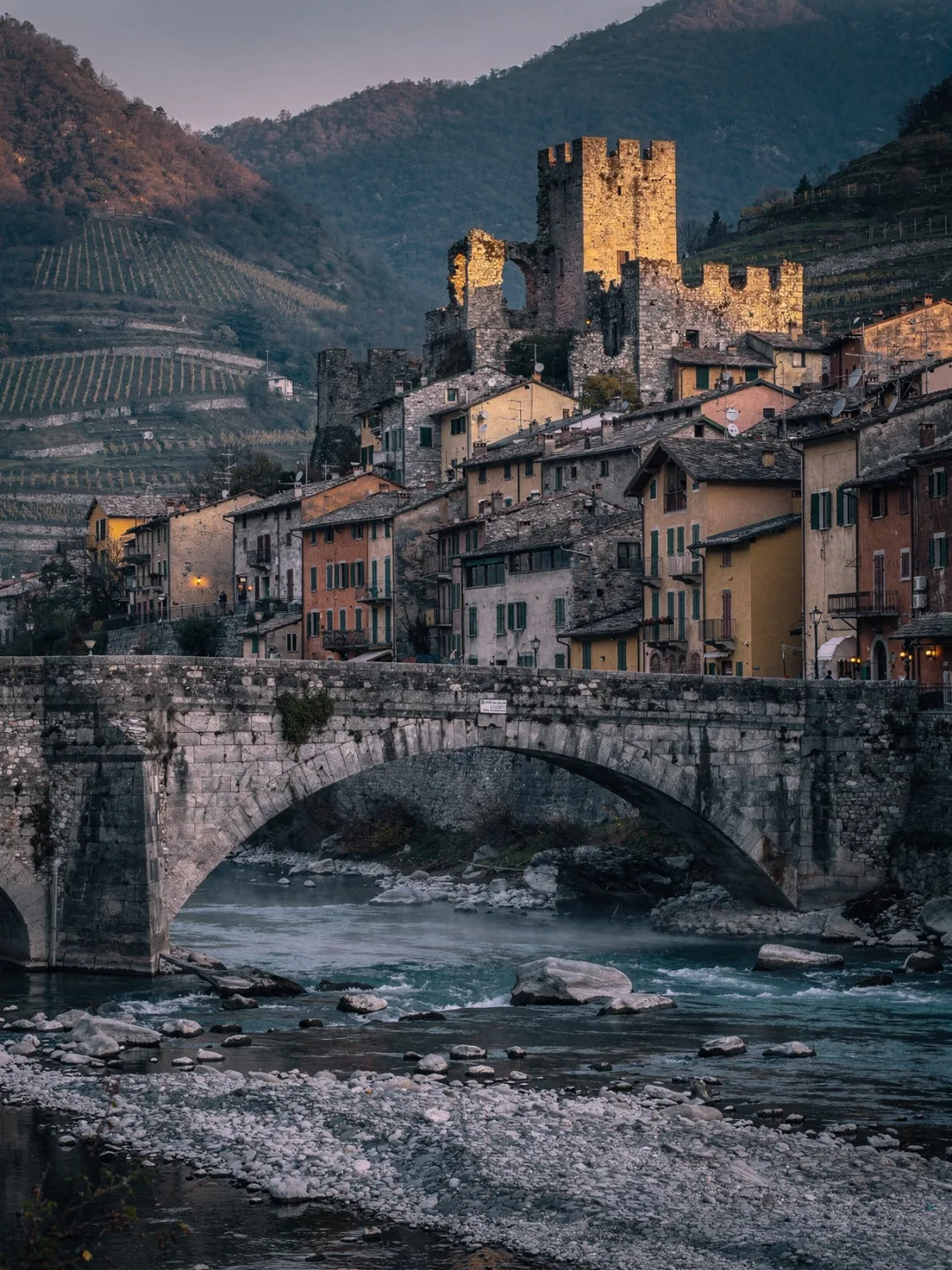
In the west, in the mountain village of Dolceacqua, the land belonged to the Doria family. Admiral Andrea Doria declared Rossese the official festive wine of his fleet, long before anyone thought of an appellation. Tradition holds that Napoleon Bonaparte tasted it in the Doria castle, after which he had barrels sent to Paris — though only the legend is documented, not the fact itself. What is firmly documented, however, is the name itself: Rossese already appears in a Ligurian poem from 1425, three hundred and fifty years before Napoleon.
All of this was only officially recognized in the 20th century. In 1972, Rossese di Dolceacqua became the first wine in Liguria to receive DOC status. Cinque Terre followed a year later. Few additional appellations have been added since, and to this day there isn't a single DOCG, while neighboring Piedmont alone counts nineteen. Liguria simply doesn't have the land to spare.
In 2016, an Italian law finally gave this labor official recognition. It created the term viticoltura eroica, heroic viticulture, for sites with a gradient over thirty percent or with stone terracing. Around the Cinque Terre alone, an estimated six thousand kilometers of such walls wind through the landscape, built over nine centuries without a single machine. Anyone walking through Manarola today is standing on the work of more than thirty generations.