Inniskillin & VQA
Region & History
Until the 1970s, Canadian wine meant one thing above all: sweet grape juice with a bit of alcohol. On the Niagara Peninsula, almost only varieties of the American species Vitis labrusca grew, hardy against frost but with a foxy note in the flavor that connoisseurs recognized immediately. Back then, when people spoke of quality, they rarely meant their own region.
That changed in 1975, the year Donald Ziraldo and Karl Kaiser received the first Canadian winery license since Prohibition. Their new winery was called Inniskillin, named after an Irish regiment that had once been granted land in the area. They planted Riesling, Chardonnay, and Gamay on just thirteen hectares near Niagara-on-the-Lake — European vines, so-called Vitis vinifera, where until then almost only the hardy American species had grown. A risk.
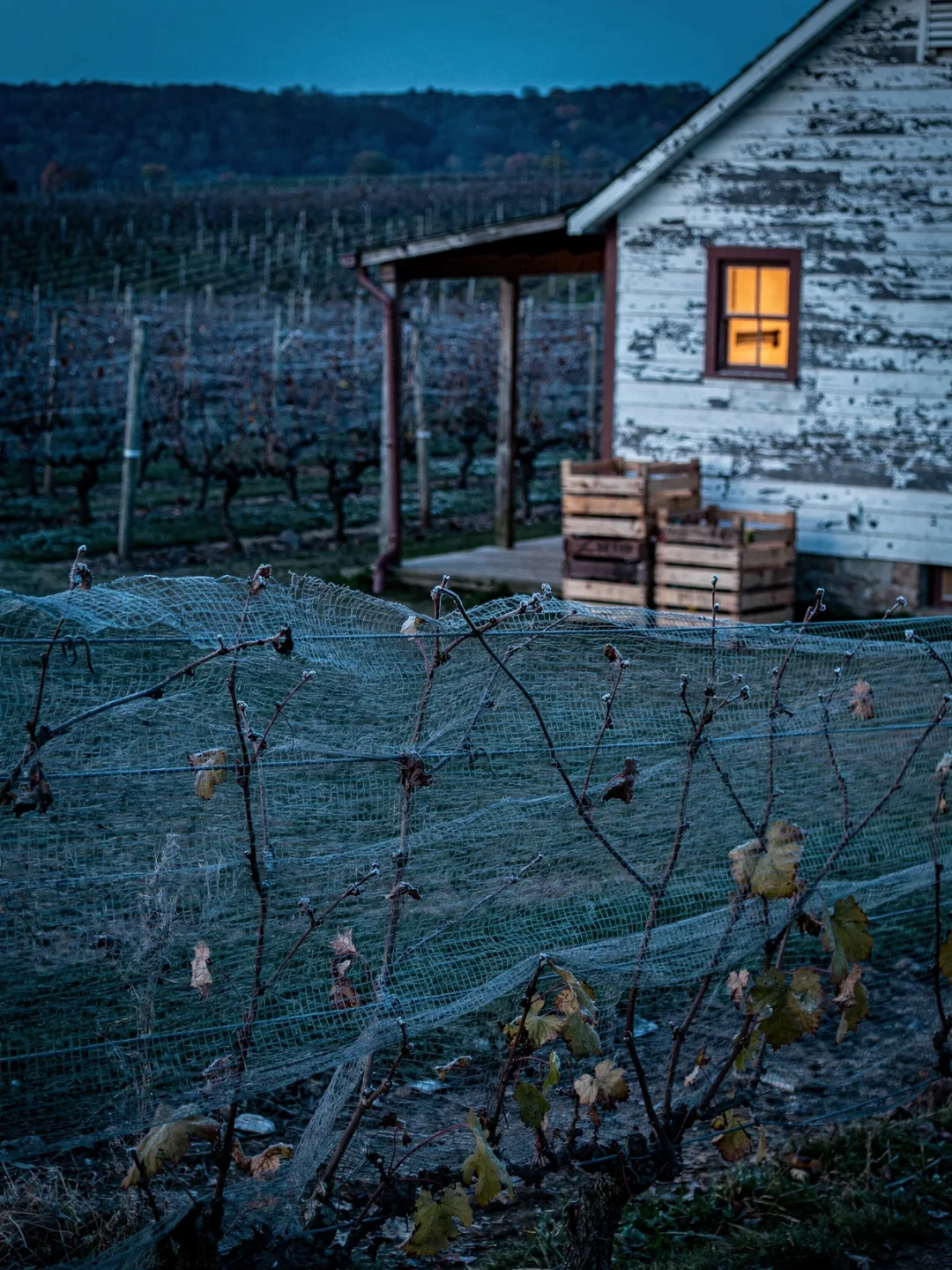
Kaiser wanted more. In 1983, he deliberately left part of the Vidal grapes hanging on the vine to attempt ice wine — grapes that freeze on the vine, concentrating their sugar. Starlings devoured the entire crop before the first frost arrived. The following year he protected the vines with netting, and it worked. In 1989, his Vidal ice wine won the Grand Prix d'Honneur at the Vinexpo competition in Bordeaux, the fair's highest award, putting Canadian wine on the world map for the first time.
The success accelerated a development already underway. In 1988, a group of wineries founded the Vintners Quality Alliance, or VQA — a voluntary quality seal guaranteeing origin and grape variety on the bottle. Ziraldo led the organization for eight years. It wasn't until 1999 that the Province of Ontario made it law, with its own regulatory authority and clearly defined regions. Without the VQA seal, a bottle from Niagara today may not state where the wine comes from.