1873 to 1985
Region & History
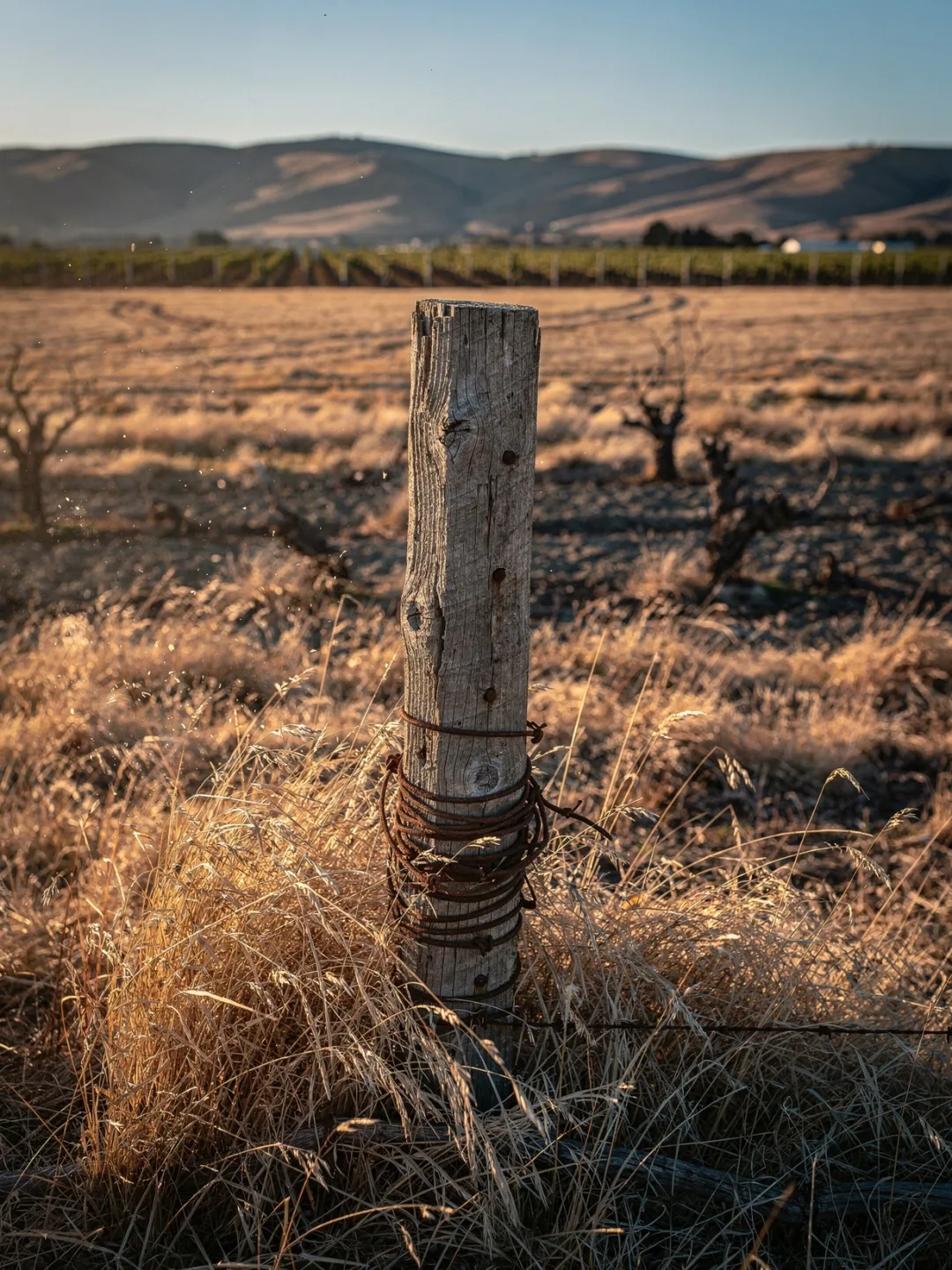
In 1873, the Scotsman David Herd planted Marlborough's first vines near the hamlet of Fairhall, a Muscat variety called Brown Muscat, on a property he named Auntsfield. He made wine until his death in 1905. It wasn't until 1931 that the last vines were pulled up. After that, for forty years: nothing. Not a single vineyard remained between Blenheim and the surrounding hills.
Winemaking only returned in the summer of 1973, and it came back in a big way. Frank Yukich, head of Montana Wines, had the first commercial rows planted on the Wairau Plains near Brancott. At the planting, he predicted the wine from here would one day be world-famous. Two years later, nature proved just how hard-won that promise would be: a drought wiped out most of the young plantings.
The response to the drought was a change of course. Instead of hardy bulk varieties, Montana turned to Sauvignon Blanc and Pinot Noir, two varieties that coped far better with the cool climate. In 1979 the first Sauvignon Blanc harvest went into tank, and that same year two small estates, Te Whare Ra and Hunter's, opened their doors, determined to show that Marlborough could offer more than just volume.
One single wine gave the decisive push. In 1985, Australian David Hohnen and his winemaker Kevin Judd founded Cloudy Bay, named after the bay at the mouth of the Wairau. Their own winery on Jacksons Road wasn't built yet, so the very first vintage was fermented far away in Gisborne. Even so, the Sauvignon Blanc took the world by storm. Sommeliers in London and New York suddenly clamored for a region most of them had never even heard of before.
The numbers show just how fast it all happened. In 2002, Marlborough had roughly six and a half thousand hectares under vine; by 2013 it had already passed twenty-two thousand, and today it's around thirty thousand, more than seventy percent of New Zealand's entire vineyard area. Legal recognition of the name, though, came late. The relevant New Zealand law on geographical indications had already been passed in 2006. It didn't actually come into force until July 27, 2017, eleven years later than planned. On that very day, the Marlborough winegrowers' association filed its application. On February 26, 2018, the name was finally entered in the register of the Intellectual Property Office of New Zealand, IPONZ, forty-five years after the first commercial planting.