Espumante since 1890
Region & History
A chemist named António Augusto de Aguiar travelled through the hills around Mealhada in 1867. He drew a line on the map around the area that has since been known as Bairrada, and carefully noted how the farmers there made their wine. What he described didn't become law until 1979. Winemaking had existed here for far longer, likely since Roman times. But it was Aguiar's work that turned a loose scattering of villages into a named region.
In 1887, the Escola Prática de Viticultura was founded in Anadia. Its goal: modern winemaking technique. Three years later, a French oenologist named Paulo Palut arrived at the school bringing Champagne techniques with him, and in 1890 the first Portuguese sparkling wine was born. That single idea from a small school grew, within a few decades, into an entire national industry. The first espumante house was established in 1893, the major cellars followed in the 1920s, and to this day roughly two-thirds of Portuguese sparkling wine comes from this comparatively small area.
Bairrada wasn't officially recognized until relatively late, with the 1979 Portaria that declared it a region for red and white wine. It took another twelve years before rosé and espumante received the same rights. In 1986, the Comissão Vitivinícola Regional da Bairrada was founded, and it has overseen origin and quality ever since. In 1991, a dedicated law finally brought everything together. Since then, a single set of regulations has governed what can appear on a Bairrada label, right down to the minimum ageing period.
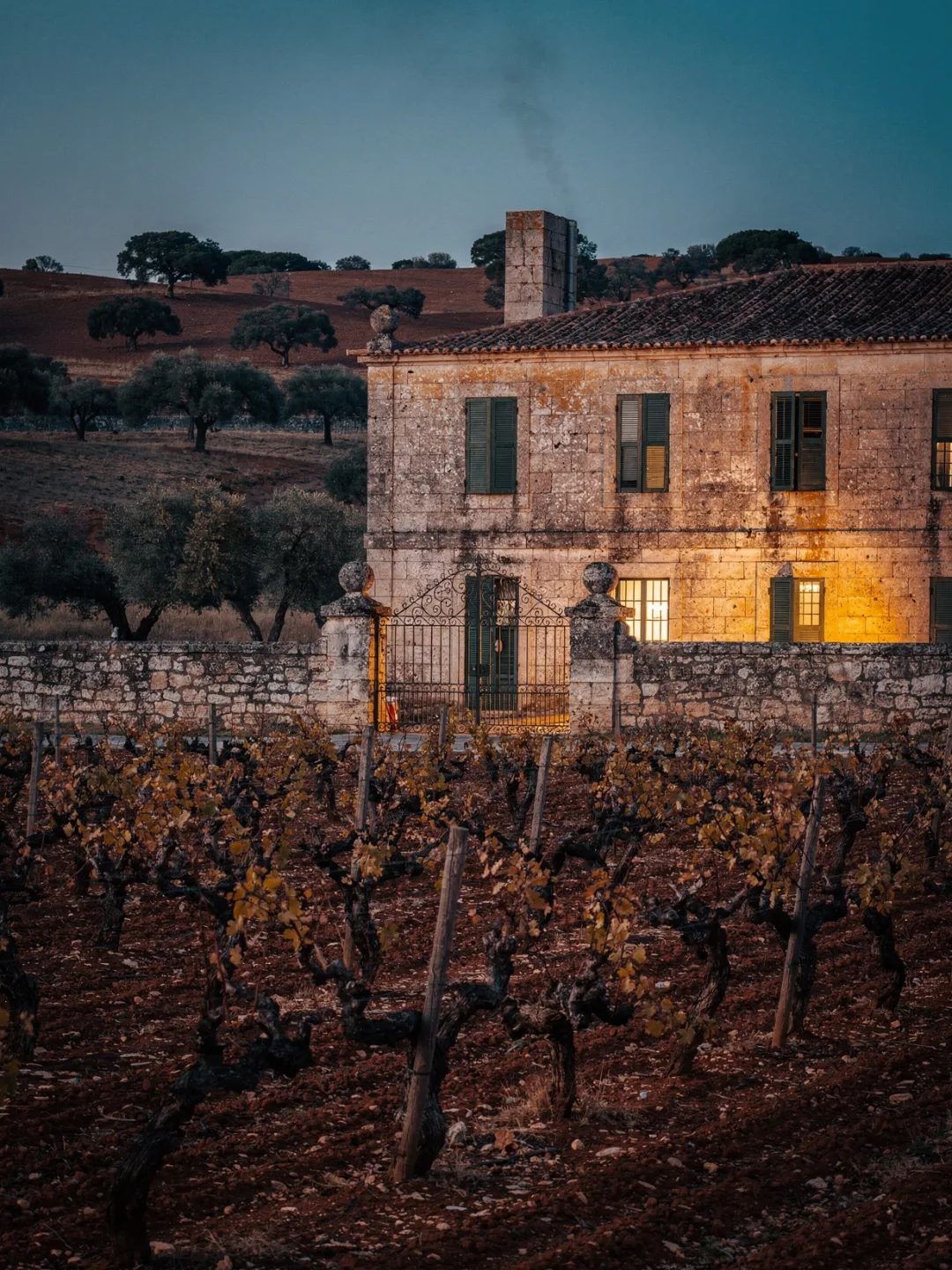
Drive through the vineyards and you'll rarely see more than a hectare in one plot. Nearly ten thousand hectares of vines mostly belong to small growers, many organized into cooperatives, and for a long time the main grape, Baga, was considered difficult and underrated. It wasn't until winemakers like Luís Pato rethought it from 1980 onward that things changed. He was the first to destem the grapes before fermentation and age the wine in new French oak. This double innovation transformed how Baga tastes today, even though some producers deliberately stick to the old method. Today, Baga is the reason sommeliers around the world talk about Bairrada.