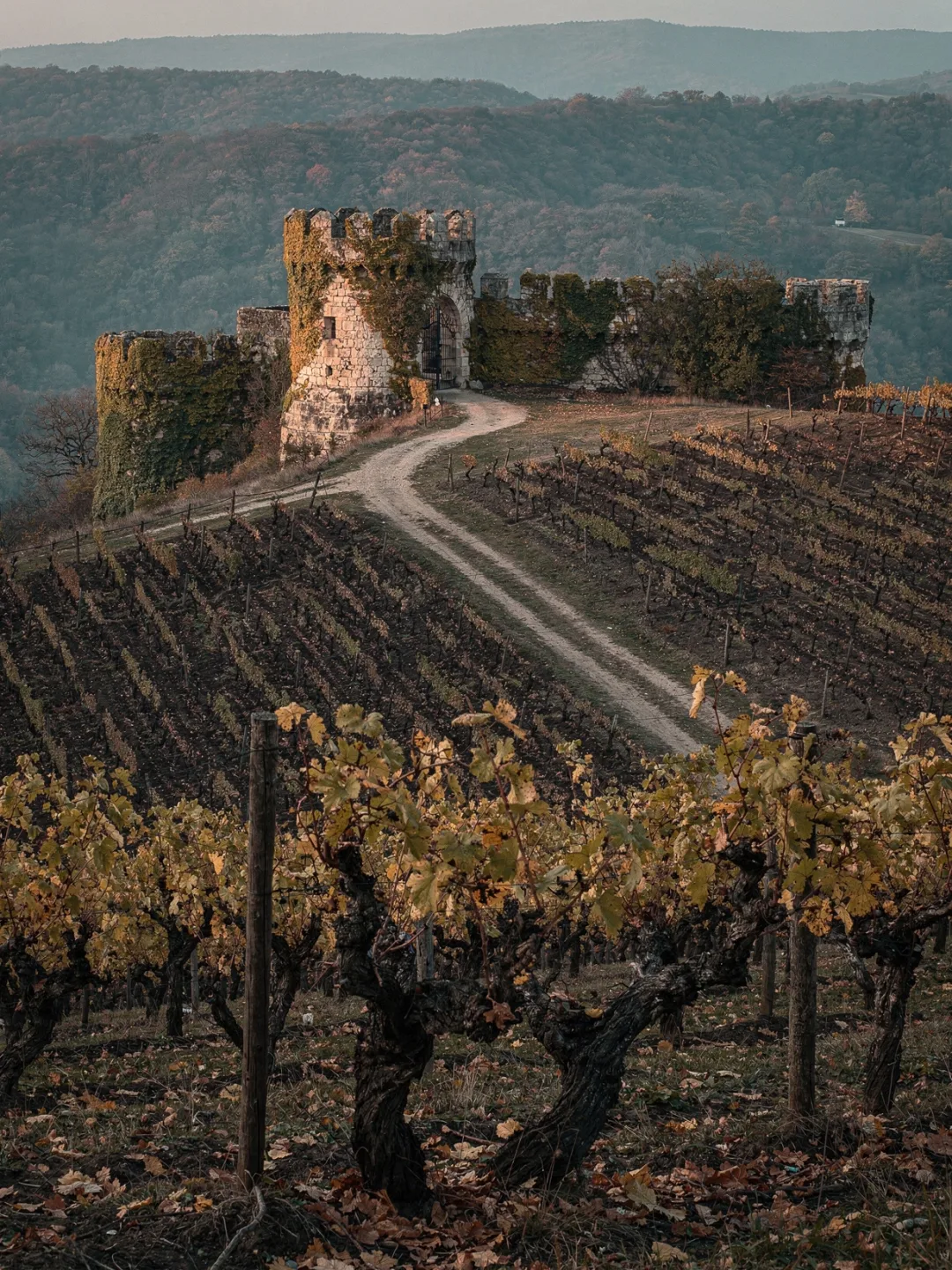
Ștefan cel Mare
Region & History
Vines grew here before writing existed. Archaeologists found charred grape seeds and clay vessels with wine residue near Cotnari, dating from the Cucuteni culture. This culture lived in the hills of what is now the Iași region between 5500 and 2700 BC, long before anyone wrote down a name for the place.
That changed in 1448. On October 5, 1448, the name Cotnari was first recorded in a document from the Moldavian chancellery. Shortly after, Ștefan cel Mare ascended the throne, made Cotnari one of his residences, and laid the foundation for a reputation that still holds today.
The wine earned a title. It was called vinul de domnie, roughly translated as the prince's wine, and even then it was a blend of four varieties. Grasă de Cotnari, Fetească Albă, Frâncușă, and Tămâioasă Românească made up the blend that gave the place its name and remains the foundation of the sweet wines made here today.
Other courts took notice. In 1711, Russian Tsar Peter the Great came to Iași and is said to have sworn he knew no better wine. A Paris document from 1875 placed the wine of Cotnari alongside Hungarian Tokaji and rated it above wines from the Rhine, even though hardly anyone knew the place.
Socialism changed much of this. In 1948, the new state merged two estates into the large enterprise IAS Cotnari, which at times farmed over two thousand hectares. From this grew today's company, Cotnari SA, which owns around nine hundred hectares and leases another eight hundred. The name is protected as a DOC, part of the European system for wines of origin, governed since May 2024 by Regulation (EU) 2024/1143.