Dark, Dense, Long
Tasting
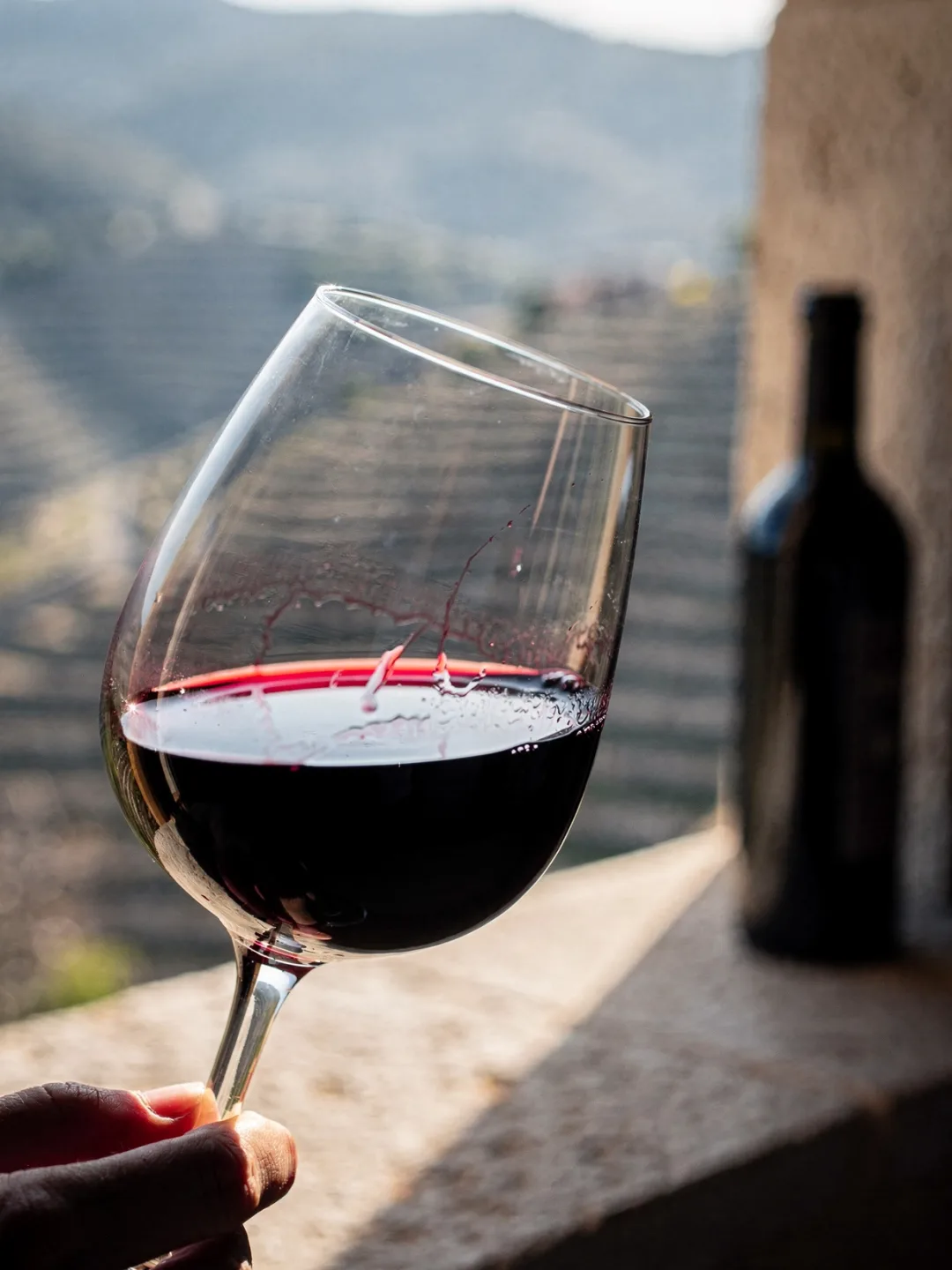
The color already reveals a great deal in the Priorat, even before you lift the glass to your face. It ranges from dark cherry red to almost black, with a violet rim in young vintages. The official rulebook describes exactly this as the goal: a deep, dark red color that sets the wine apart from lighter neighbors right away.
The first scent usually comes from dark fruit: stewed blackberry, black cherry, sometimes a hint of licorice from the Samsó grape. Swirl the glass, and a second layer emerges that surprises many: dried herbs, rosemary and thyme, the kind that grow wild between the vine rows. Add to that a warm, almost earthy note that some compare to heated Llicorella.
In the mouth, weight is the first thing you notice. Priorat must by regulation have at least thirteen and a half percent alcohol, and you feel that power as warmth in the throat, carried by ample extract and firm tannin from small, thick-skinned berries. A thin, watery Priorat is practically nonexistent: the barren slate soil simply doesn't allow one to form.
In the end, length is what counts. A good Priorat holds its flavor for twenty, thirty seconds after swallowing, sometimes longer, and that's exactly where the difference lies between a simple vintage and a great one. Anyone who opens the wine too young tastes mostly the tannin, and overlooks the length behind it.
How strongly sweetness and body assert themselves against acidity and structure depends on the ratio of the two grapes. A wine with a high proportion of Garnacha tastes rounder and warmer, while one with more Samsó comes across as tighter and darker. Anyone who tastes both styles side by side immediately understands why the regulations recommend both grapes together, rather than either one alone.