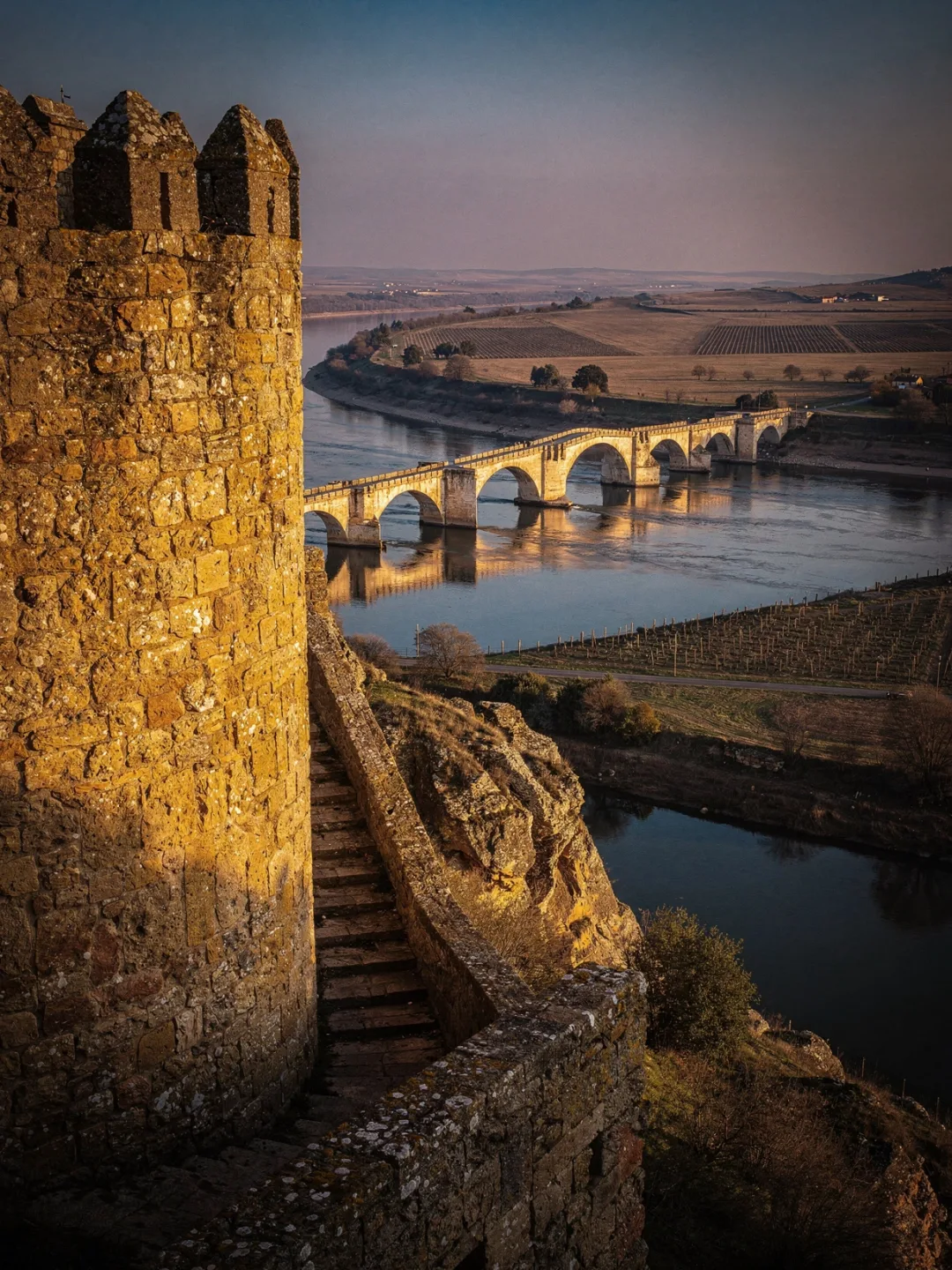
From Reconquista to Columbus
Region & History
Vines were already grown here on the banks of the Duero by the Vaccei, a pre-Roman people mentioned by Greek chroniclers long before Rome conquered the peninsula. After Rome's fall, the Visigoths settled here and named the fertile plain Campi Gothorum, the Gothic Fields. Winemaking remained. Only the rulers changed.
The proper history of today's Toro begins with the Reconquista in the eleventh century. Settlers from Aragón resettled the reconquered land and planted vines to keep the villages permanently populated. In 1208, King Alfonso IX of León gifted twenty aranzadas of vineyard near Toro to the Cathedral of Santiago de Compostela, an early record of this wine's worth. In 1340, King Alfonso XI even granted the wine of Toro its own trading privilege.
On 1 March 1476, the Catholic Monarchs secured a decisive victory in the vineyards of Valdefama near Toro in their struggle for the Castilian throne. Wine had long carried the region's economy, so much so that in 1504 the Reyes Católicos had to restrict new vine plantings. A few years earlier, in 1492, tradition holds that wine from Toro was already aboard the caravel La Pinta when Columbus set off for America. Thanks to its maturity and robust alcohol content, it survived the long crossing better than lighter wines.
In the nineteenth century, the growing area expanded significantly, and when phylloxera began devastating France's vineyards from the 1860s onward, Toro sold its wine in record quantities to French merchants. The region's sandy soils kept the pest away entirely, since its tunnels can't hold in loose sand. Walk through old parcels today, and you'll still find ungrafted vines growing on their own roots, planted before the catastrophe and never regrafted.
All of this only became official quite late. In 1933, the first Spanish wine law already named the region, but the Ministry of Agriculture didn't sign the Denominación de Origen Toro until 29 May 1987. In 1998, the Eguren family from Rioja founded Bodega Numanthia to show what Toro was capable of. In 2001, Vega Sicilia planted its third estate with Pintia near San Román de Hornija. When Numanthia's flagship wine Termanthia received one hundred points from critic Robert Parker in 2004, luxury conglomerate LVMH bought the bodega. The wine world then discovered a place that had stood in Rioja's shadow for centuries.