Desert Turns Vineyard
Region & History
Well into the twentieth century, sagebrush was the main thing growing on the dry land east of the Cascades. Wine was never a given here. The first European grape varieties did arrive with settlers in the Yakima Valley as far back as the nineteenth century, but they remained a sideline next to apples and hops, the region's real moneymakers. On the day Prohibition ended in 1933, businessmen in Seattle immediately founded the National Wine Company, while a second operation was simultaneously cooking down fruit wine from blackberries and black currants.
In 1954 the two merged to form American Wine Growers. For two decades the range stayed sweet and simple, aimed at postwar mass taste rather than connoisseurs. That changed in 1967 thanks to a consultant from Russia: André Tchelistcheff advised the company to plant serious European vines instead of just fermenting native berries. Two years later the first bottle under a new name hit the market: Ste. Michelle, named after a French saint rather than a place in Washington.
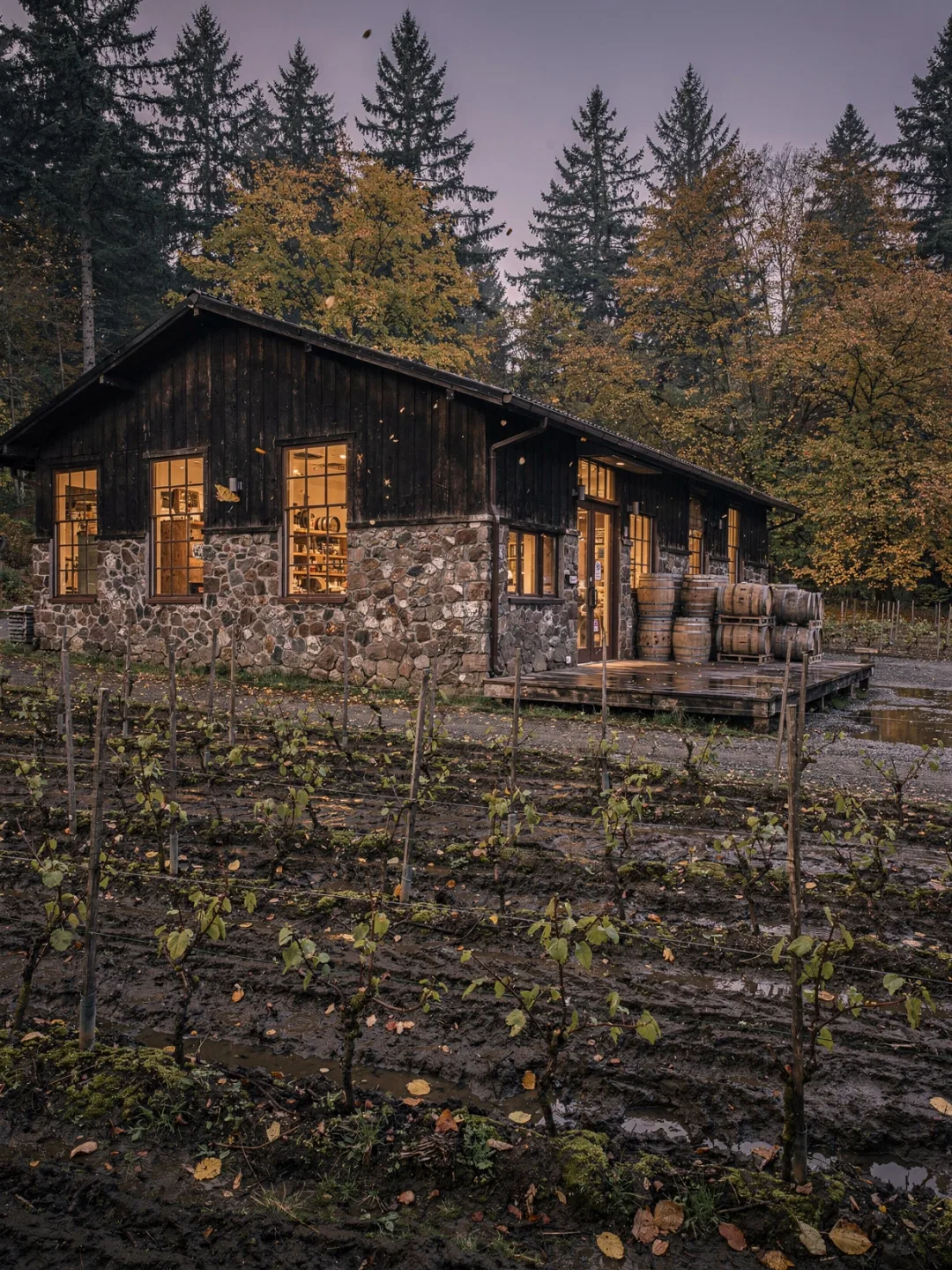
In 1976 the new winery building, Chateau Ste. Michelle, went up in Woodinville, northeast of Seattle. Founding president Wally Opdycke had it built in the middle of an old forest park, far from the actual vineyards in the hot east of the state—almost like a showcase for the distant city. Seven years later, in March 1983, the US government designated the Yakima Valley as the state's first officially delimited wine region, and the first one north of California altogether. At the time, just four wineries were farming vines there.
Today Washington ranks second among US wine-producing states, behind California. Nearly a thousand wineries make wine there, spread across more than twenty distinct appellations recognized by the US Alcohol and Tobacco Tax and Trade Bureau, or TTB, as American Viticultural Areas, AVAs for short. Above them all, since 1984, sits the Columbia Valley, which today covers roughly ninety-nine percent of the state's vineyard area. In less than a hundred years, a sagebrush desert became a wine country of international standing.