Cabernet Ahead of Riesling
Grape Varieties
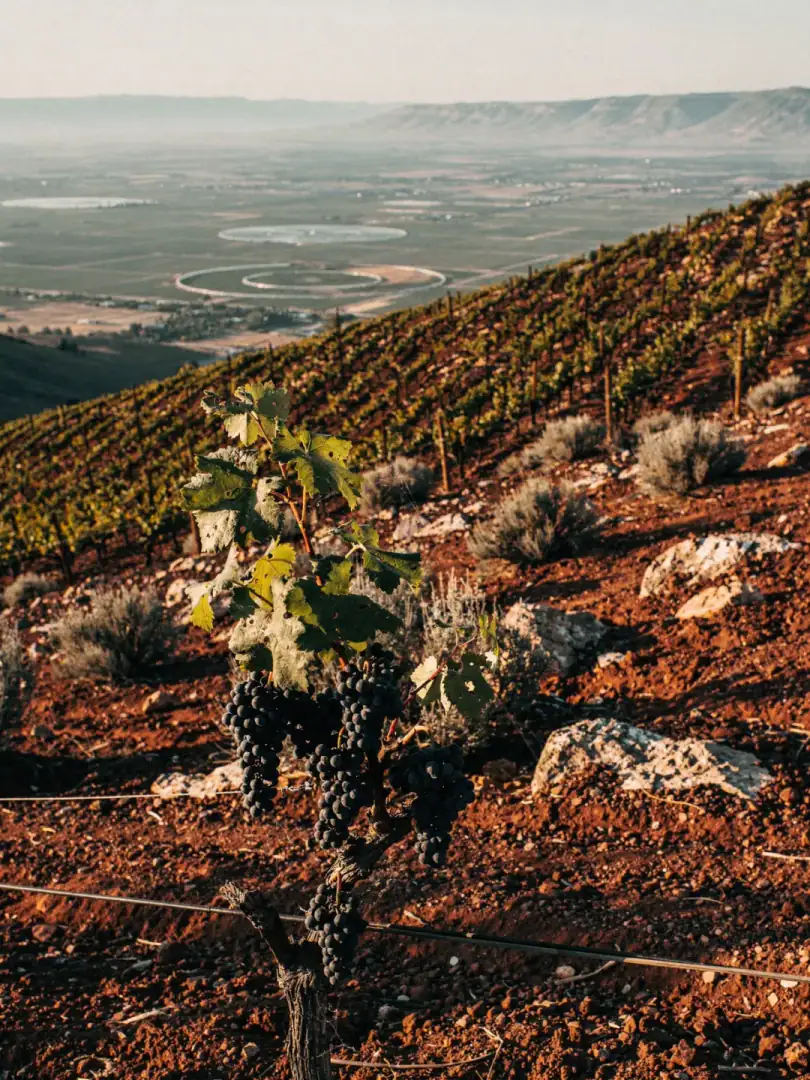
One grape variety now defines the look of the state's vineyards: Cabernet Sauvignon. With over twenty thousand acres in 2023 alone, it stood clearly ahead of every other variety. In the 2024 harvest, it also accounted for a good quarter of Washington's entire grape tonnage. This wasn't always the case. Until the 1990s, the state built its reputation mainly on Merlot, a softer, rounder variety that was many Americans' first serious red wine.
Riesling comes in second, at around fifteen percent of the 2024 harvest. Cool nights preserve the variety's acidity even as midsummer days turn scorching hot. It's precisely this interplay of heat and cool that makes Rieslings from the Columbia Valley often drier and more powerful than one would expect from the variety. Chateau Ste. Michelle in Woodinville made it the state's flagship as early as the 1970s, long before Cabernet Sauvignon mattered at all.
Merlot deserves special mention here. In 2024 it fetched around $2,600 per ton, the highest price of any major red variety in the state, even though its planted area has been shrinking for years. Chardonnay, Syrah, and Sauvignon Blanc follow at a clear distance. Anyone who tastes their way through quickly notices: Washington rarely tastes like just one variety, but like the contrast between sun-ripened fruit and cool acidity.
Where a grape grows decides almost more than the variety itself. Cabernet Sauvignon from Red Mountain tastes dense and dark, with ripe black fruit, because that's where the state's hottest sites lie. The same Cabernet from a cooler corner of the Walla Walla Valley, by contrast, comes across leaner, with more green bell pepper and a hint of herbs in the background. This range within a single variety surprises many tasters the most.