Legalization after Prohibition
Region & History
Until 2006, there was practically no legal whiskey in Texas. After Prohibition ended in 1933, the state stuck to strict alcohol laws, overseen by the Texas Alcoholic Beverage Commission, or TABC. Anyone wanting to distill needed a license, and for decades the state hardly issued any. Texas drank its whiskey, but stopped making it.
That changed in 2006 in a tiny town in the Hill Country. Dan and Nancy Garrison received the first permit for a bourbon distillery outside Kentucky and Tennessee that Texas had ever issued, in Hye. Garrison Brothers Distillery was born, though the first bourbon wouldn't hit shelves until 2010: bourbon needs time in the barrel, even in Texas.
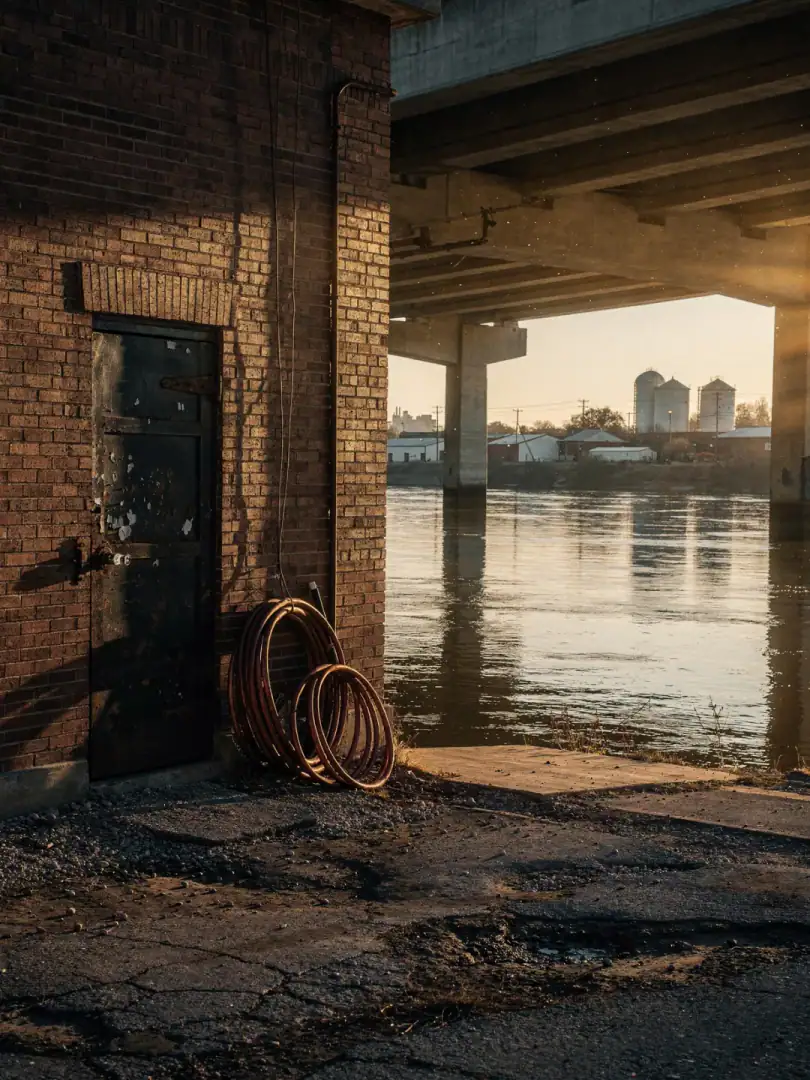
Two years later, in 2008, the second address was founded in Waco: Balcones. The idea came together in an old welding shop under a bridge, with distilling starting in 2009. Balcones was the first legal whiskey distillery in Waco in over a hundred years, and it immediately brought its own signature to the young scene with blue corn and Texan malt.
The real push came in 2013. In May, the Texas Congress passed a legislative package that finally allowed distilleries to run tasting rooms, serve cocktails, and sell bottles directly to customers, up to 3,000 gallons a year on-site and 3,500 to go. Before 2013, the TABC had issued only 39 distilling licenses in its entire history. After the law took effect in September, 125 more followed within just a few months.
Two pioneers grew into a whole scene. In San Antonio, Ranger Creek launched in 2010, toasting its grain over mesquite wood before mashing to distill its .36 Texas Bourbon. Today, Balcones, Garrison Brothers, and Ranger Creek stand for a style that deliberately sets itself apart from Kentucky: smaller barrels, more heat, faster maturation, and its own grains.