The short answer
Scotch comes from Scotland. Bourbon comes from the USA, must be made from at least 51 percent corn, and must mature in new, charred oak barrels. These are two sets of rules — not two flavors.
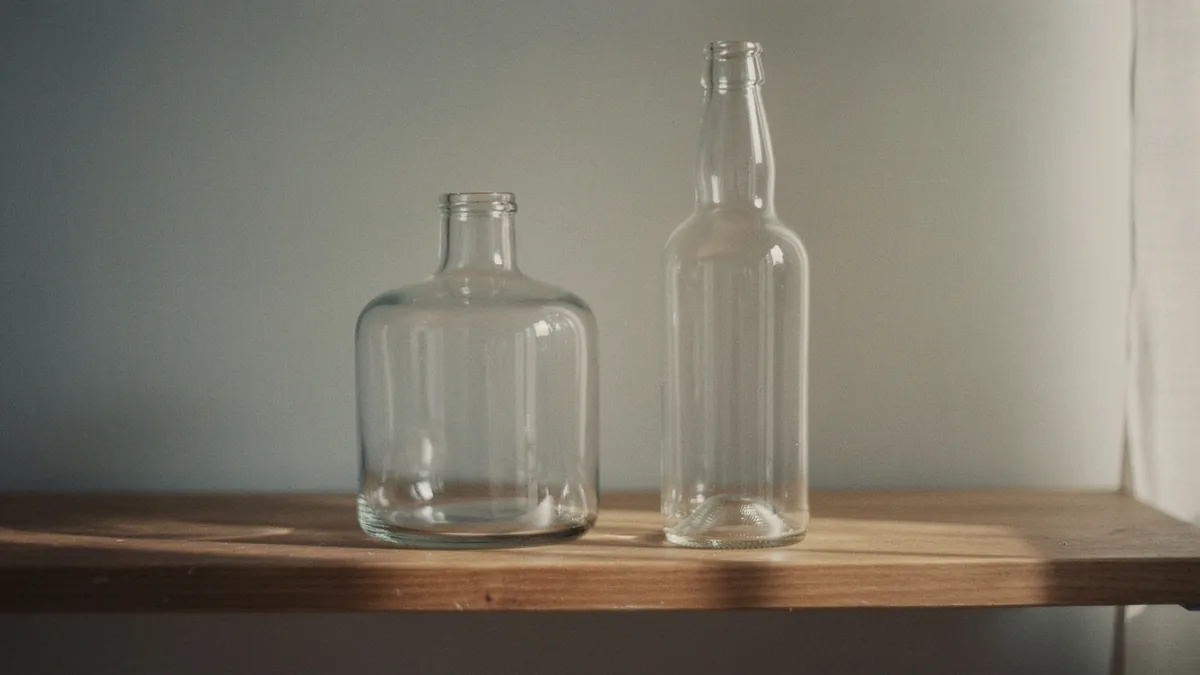
Two countries, two rulebooks
Scotch is distilled in Scotland and matures there for at least three years in oak casks. It's made from barley malt, from other grains, or as a mix of both. Bourbon is distilled in the USA — Kentucky is the best known, but it's permitted anywhere in the country. At least 51 percent corn is required; what else goes into the mash is up to the distillery.
Bourbon gets new wood, Scotch gets used wood
Bourbon has to go into a brand-new, charred oak barrel — each barrel is used only once for this purpose. Those very barrels often go on to Scotland afterward — a large share of Scotch actually matures in casks that previously held Bourbon. Old sherry casks are common too.
New wood gives up a lot: vanilla, coconut, caramel — everything that reads as sweet. A used cask gives up less and lets more of the spirit itself come through. That's why Bourbon often tastes sweeter — not because anyone added sugar.
How any single bottle actually tastes still depends on time, cask, climate and recipe. And you can't read the age off the color.
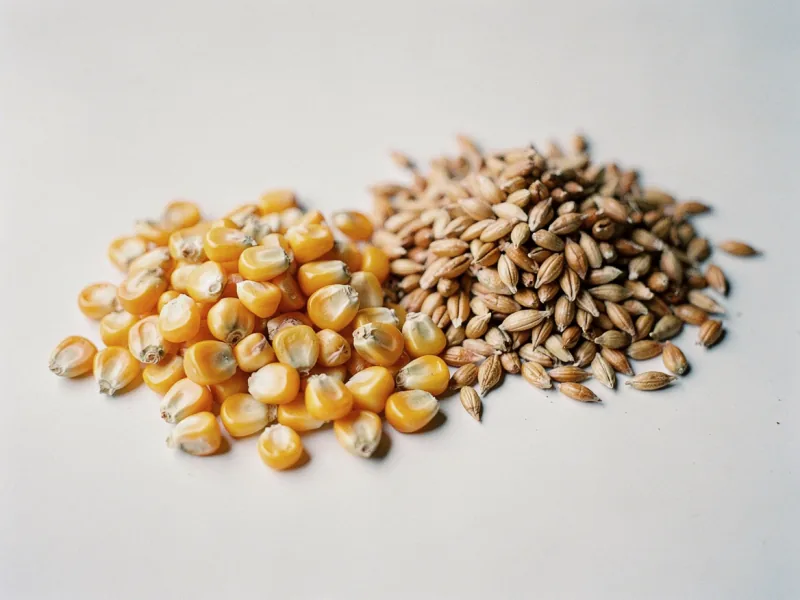
Is Bourbon sweeter and Scotch smokier?
Bourbon often brings vanilla or caramel to mind — there's no sugar added for that. And Scotch can be intensely smoky, but doesn't have to be: many Scotch whiskies taste of fruit, malt or nut without any peat smoke at all. So compare two actual bottles — not two national stereotypes.
Smoke in Scotch doesn't come from the cask, but from the malt. When barley is dried over a peat fire, it absorbs the smoke. Each distillery decides this for itself, and entire regions work without peat at all.
How to compare the two fairly
Take two bottles of similar strength, and for starters, a Scotch with no smoke. Pour small amounts into identical glasses and write down what you notice: wood, fruit, spice, mouthfeel. The same principle applies to cocktails on a smaller scale: if a recipe calls for Bourbon, swapping in Rye or Scotch shifts the balance. So substitute deliberately, not by accident.
A smoky Scotch will ruin your first comparison. The smoke overpowers everything, and in the end you're comparing smoke against vanilla instead of Scotland against Kentucky. Save it for round two.