An Émigré and a Deal
Region & History
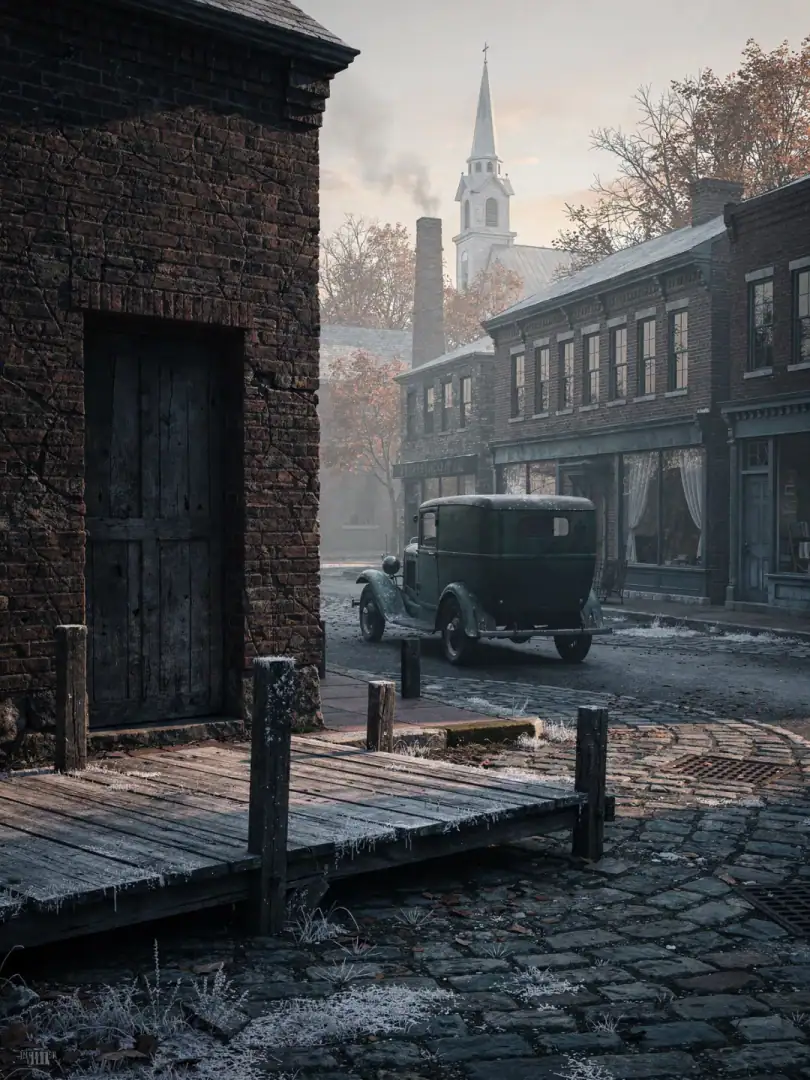
In 1933, Russian émigré Rudolph Kunett buys the rights to the Pierre Smirnoff Sons brand and recipe for the USA, Canada, and Mexico. A year later he opens America's first vodka distillery in Bethel, a small town in Connecticut. Sales remain slim: barely 6,000 cases a year, since most Americans prefer whiskey. Vodka is seen as an exotic niche product with no audience.
In 1939, Kunett sells the brand and distilling process on to Heublein manager John G. Martin for just $14,000, a sum that even at the time seems far too low. Vladimir Smirnoff, son of the Russian founder, stays on the board, but operations now sit with Heublein in Connecticut. Martin is left holding a brand almost nobody knows and even fewer people buy.
The turning point comes in 1941, in Hollywood. There, Martin meets Jack Morgan, owner of the Cock'n Bull restaurant on the Sunset Strip, who has landed himself with a wildly oversized order of ginger beer sitting in his storeroom. Two unsellable products become one cocktail: vodka, ginger beer, a splash of lime, served in a copper mug. They call it the Moscow Mule.
The drink takes off. Within a few years, US vodka sales climb to around 200,000 cases annually, turning an unknown spirit into a fixture of American bars. Decades later, this opening gives rise to small distilleries across the country experimenting with potatoes from Idaho, grapes from California, or whey from Vermont. None of this would be possible had the US regulator, the TTB, not scrapped the rule in 2020 requiring vodka to be without distinctive character, taste, or color.