Yeast in the bottle
Yeast & Fermentation
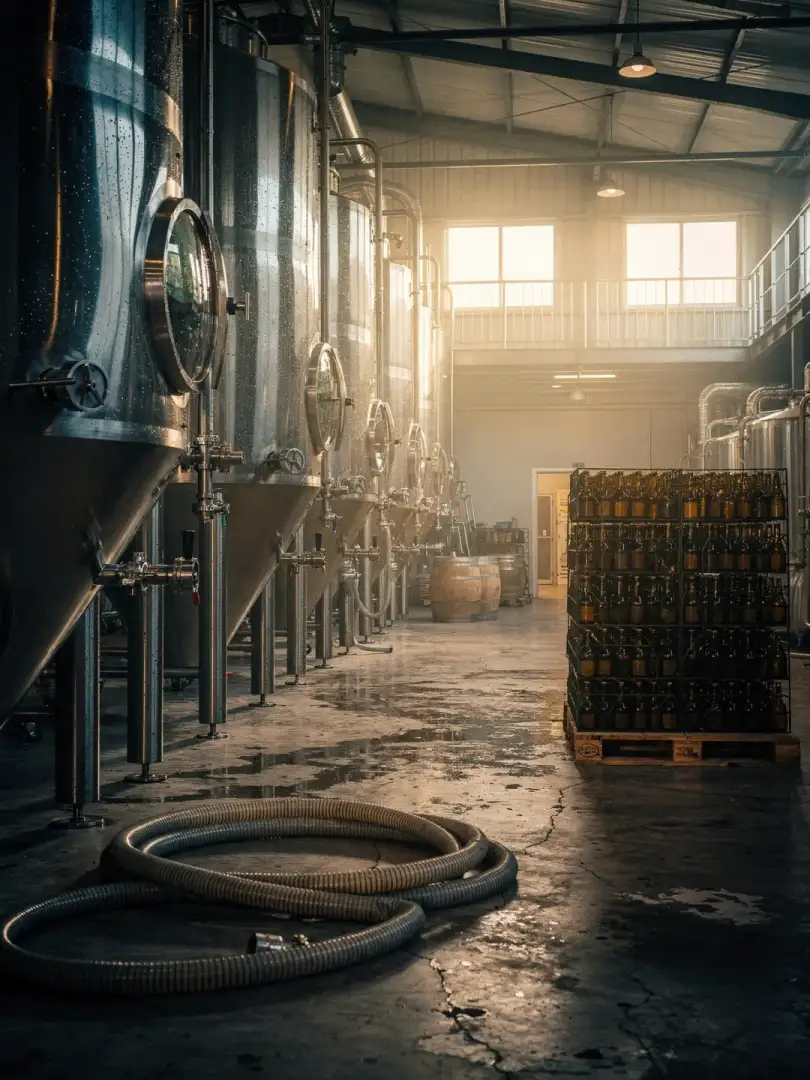
Why is Coopers Sparkling Ale cloudy? Because living yeast is still floating in every bottle. Coopers ferments the beer a second time in the bottle, a process the brewery calls natural conditioning. This produces the carbon dioxide that gives the beer its sparkle, with a fine sediment settling at the bottom.
At Regency Park, Coopers works with its own proprietary yeast strain. According to experts, it's powdery, meaning it barely settles and stays suspended in the beer, which is what gives the Sparkling Ale its cloudy character. The Pale Ale, too, is conditioned in bottle or keg, according to the brewery.
The beer is brewed using top fermentation. Top-fermenting means the yeast works at warmer temperatures and rises to the top, producing an ale. According to the brewery, Coopers' Stout is also top-fermented. The difference from lager shows up in the fruity notes that warm-fermenting yeast produces.
The beer keeps evolving as long as the yeast remains in it. According to the brewery, this means no preservatives are needed, and storing it in the fridge keeps the flavor stable.
It's the same story with the can: according to the brewery, a bit of live yeast is added just before sealing, and the second fermentation takes place inside the can. Thomas Cooper's old bottle-conditioning method has thus been translated into metal. Live yeast in beer doesn't tolerate heat or rough handling, so chilled storage remains the rule.