The short answer
Lager and ale differ mainly in the yeast used and the fermentation tradition behind it. This classification has nothing to do with pale versus dark. There are pale ales and dark lagers, and both are entirely normal.
Color Answers a Different Question
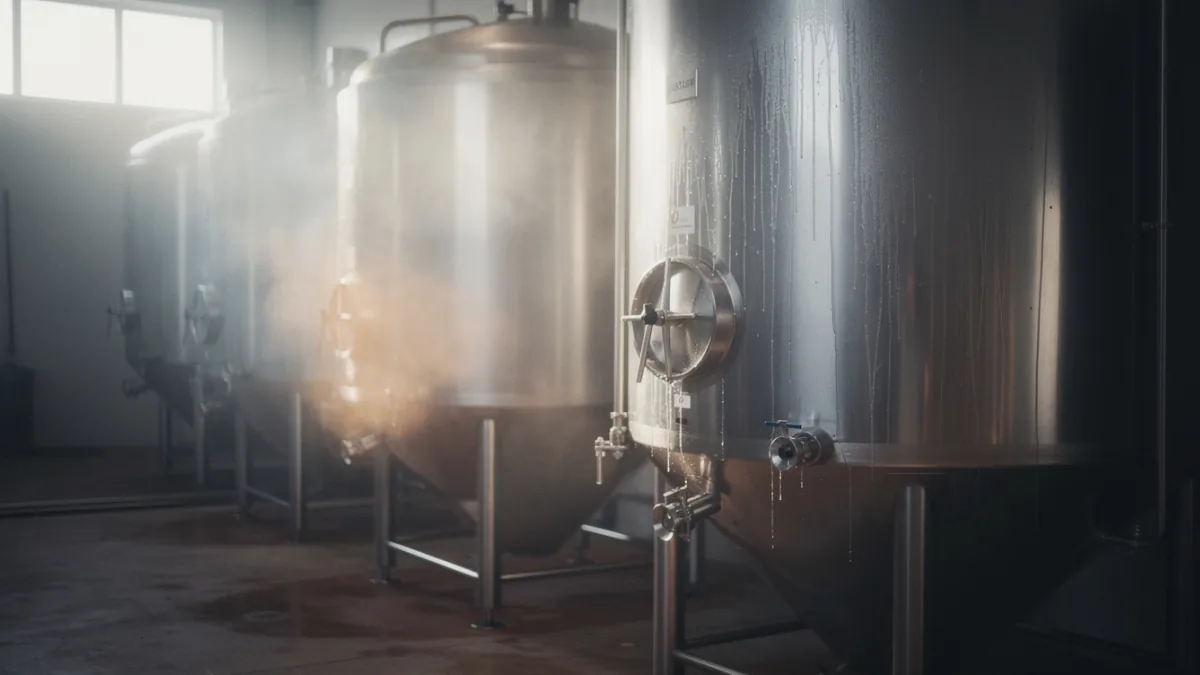
The distinction between lager and ale comes down to yeast—more precisely, the temperature at which that yeast works.
Ale yeasts ferment warm and fast, producing fruity byproducts along the way. Lager yeasts work cool and slowly, allowing the malt to come through more strongly.
Think of it as two different working styles. In warmth, the yeast works hectically and leaves traces behind in the beer. In the cold, it works calmly and holds back on its own aromas.
Both paths lead to pale beers as well as dark ones. Schwarzbier is a lager, Pale Ale is an ale. So the color in the glass tells you nothing about the yeast.
Lagers encompass a wide variety of styles, including darker, more robust ones. Traditional cold lagering is part of their history and is even baked into the name. Ale, conversely, is not simply another word for dark beer.
The word "lager" comes from the German verb for "to store." These beers were traditionally aged cold and left to rest before being served. Reading the name this way makes the distinction easier to remember.
So both terms describe a family, not a flavor. Within a single family, two beers can be worlds apart.
This distinction also clears up a common point of confusion. A beer can smell strongly of fruit without containing any fruit at all. In an ale, the yeast itself created that aroma during fermentation.
Getting More Specific When Ordering
"An ale, please" is about as precise as "a red wine, please." It tells the person serving you almost nothing about your taste.
So alongside the category, mention what you're after: bitter, malty, light, or full-bodied. Those four words narrow things down more than any style name.
For your first comparison, pick two beers that are clearly described. Two labels with style information will get you further than two names that simply sound appealing.
Don't try to guess the yeast from the color. A photo of a full glass won't reveal the fermentation family. Only the label—or asking someone—can help there.
When ordering, it's better to describe the effect you're after rather than the category. Categories organize shelves and menus. Your taste doesn't follow that same order.
A disappointing pick is no reason to write off an entire family. Both families are enormous. The next beer from that same family might give you exactly what the last one lacked.
When in doubt, just ask. A good shop can answer the bitter-or-malty question in one sentence, and you'll save yourself from buying a bottle that ends up untouched.
Telling Fermentation Family and Color Apart
Three pieces of information are especially prone to misleading people. Each one reveals less than most people assume. Understanding them correctly will help you choose much more confidently in the shop.
| Label Term | What It Doesn't Tell You on Its Own |
|---|---|
| Lager | That the beer is pale or low in bitterness |
| Ale | That the beer is dark or especially strong |
| Color | What yeast and fermentation tradition lies behind it |