Cool and Warm
Yeast & Fermentation
Is Victoria Bitter an ale or a lager? It's a pale lager, meaning it ferments with bottom-fermenting yeast. This yeast works at cool temperatures, usually between 8 and 12 degrees Celsius, and settles at the bottom of the tank at the end. The result tastes clean, without the fruity side notes of an ale. This is also called a neutral yeast profile, and it lets malt and hops stand out clearly.
The word "Bitter" in the name is misleading. An English bitter is a top-fermented ale. VB, on the other hand, belongs to the lager family, and the name simply refers to the hop bitterness. A detailed comparison of the two fermentation types can be found on the Lager vs. Ale page.
Ale yeast works warmer, usually at 18 to 22 degrees Celsius, and floats on top. Most craft brewers in Melbourne ferment their pale ales and IPAs this way, because the yeast produces fruity esters that complement the hop aroma. Mountain Goat calls one of its beers Steam Ale; the name recalls American steam beer, in which lager yeast is fermented warm.
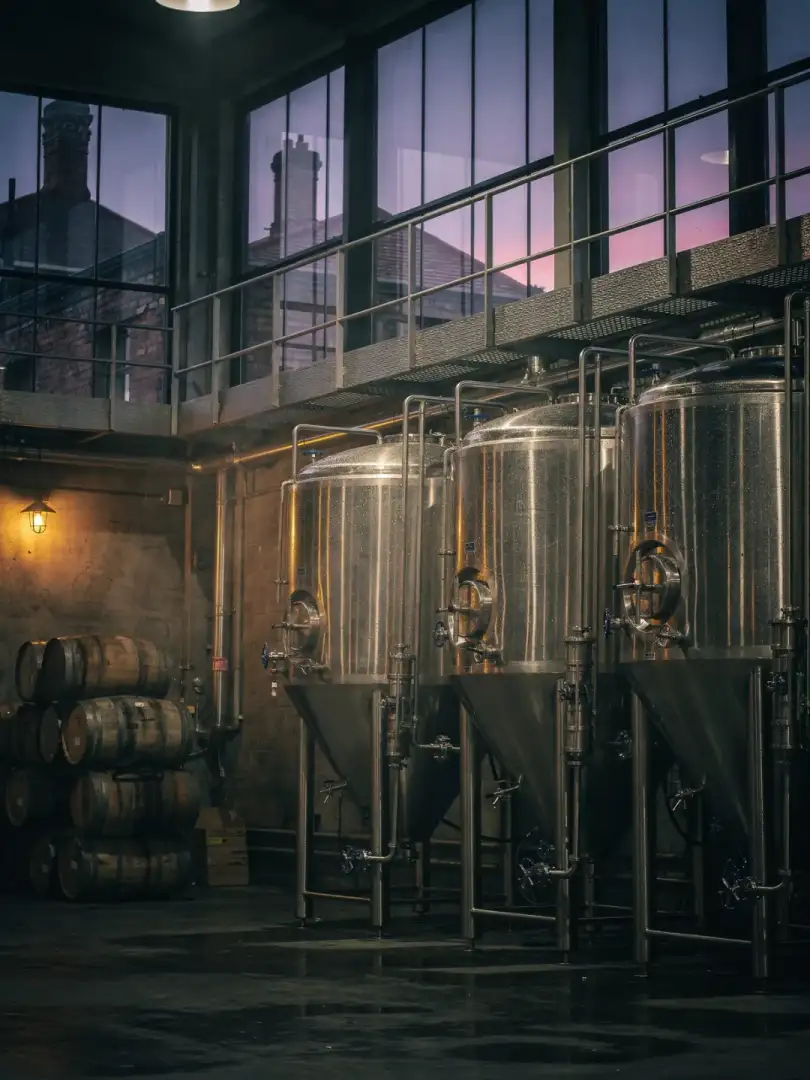
After primary fermentation, a lager needs time. It matures in cold tanks, is then filtered and bottled. Large corporations like CUB do this in big stainless steel systems, while craft brewers work on a smaller scale and leave some beers unfiltered, as "hazy" beers with visible yeast cloudiness. The haze comes from yeast and hop oils that remain in the beer, giving the drink a soft, juicy character.