Weisse & Major Breweries
Region & History
How old is Berliner Weisse? A document dated November 9, 1680, concerning higher taxation of wheat beers is considered its official birth certificate, though similar beers already existed in the 16th century. In the late 19th century it was called the "Champagne of the North" for its sparkling lightness.
This nickname comes with a legend: Napoleon's troops are said to have coined the name in 1809. This isn't documented, but it remains a popular story. What's certain is that the name was in use by the late 19th century.
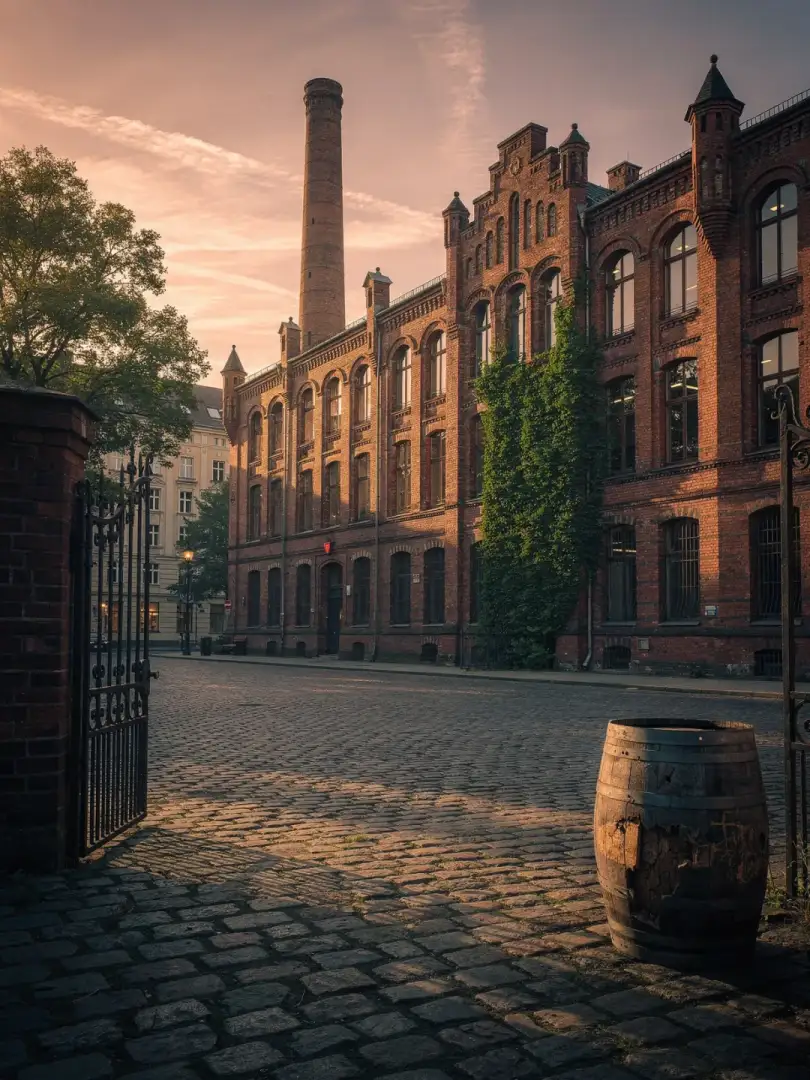
With the Gründerzeit era came the bottom-fermenting breweries. In 1842, pharmacist Heinrich Prell founded one of Germany's first lager breweries in Berlin; in 1853 Jobst Schultheiß bought it and built it into the city's most successful brewing company. Today, clubs, a cinema and restaurants of the Kulturbrauerei occupy the site on Schönhauser Allee in Prenzlauer Berg. Alongside Schultheiß, Berliner Kindl became the city's second major brand.
A third major player was Bötzow. Julius Bötzow became a court supplier in 1886, and his brewery in Prenzlauer Berg was, according to the Berlin Center for Industrial Culture, the largest private brewery in northern Germany, with a beer garden seating up to 6,000 guests. Schultheiß bought it in 1919, and two years later operations ceased.
Today, Kindl and Schultheiß belong to the Radeberger Group and have been brewed together since 2006 in a shared brewery in Alt-Hohenschönhausen. Small breweries have since joined the scene, such as Vagabund, founded in 2011. Berliner Weisse has no EU protected designation of origin. Since 2014, Slow Food has listed it in the "Ark of Taste," a catalog of endangered foods.