The short answer
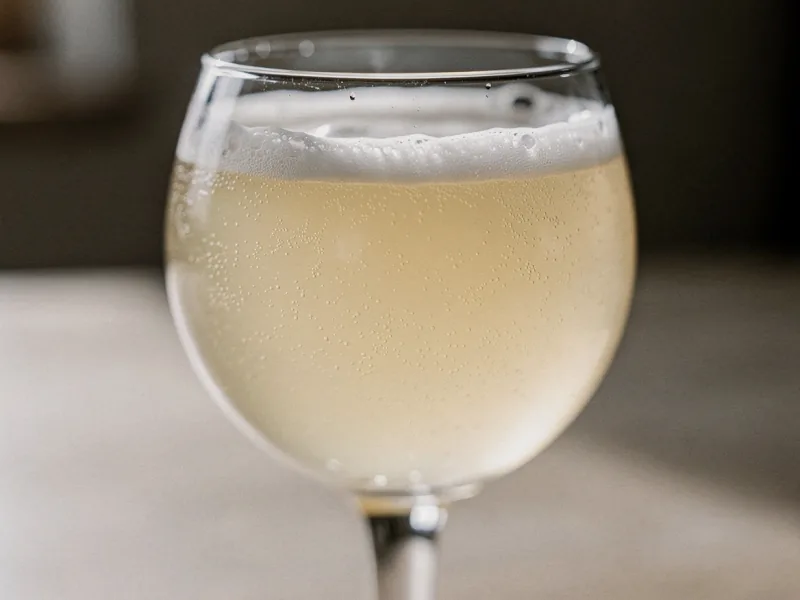
With sour beers, the sour taste is part of the style. It's intentional and not a flaw. Breweries create it using specific microorganisms and matching fermentation methods. Well-known examples are Berliner Weisse and Gose.
Sour beer is an umbrella term for many styles
Sour beer is an umbrella term for several beer styles. Their shared trait is acidity. How pronounced it is varies widely. Some bottles feel only mildly fresh, others distinctly sour. Not all of them are fruity by any means. And where fruit flavor shows up, it doesn't necessarily come from added fruit.
You know acidity from lemon. Your mouth waters, and everything feels sharper for a moment. That's exactly the sensation intended here. It has nothing to do with bitterness. Bitterness comes from hops and lingers after the sip. Acidity hits immediately and fades faster.
It's produced by microorganisms in the beer. Lactic acid bacteria are mainly responsible. In some styles, wild yeasts join in too. In an ordinary pils, both would be unwanted and a reason to pour it out. Here, they're the method. So the same process is a flaw in one case and the goal in another.
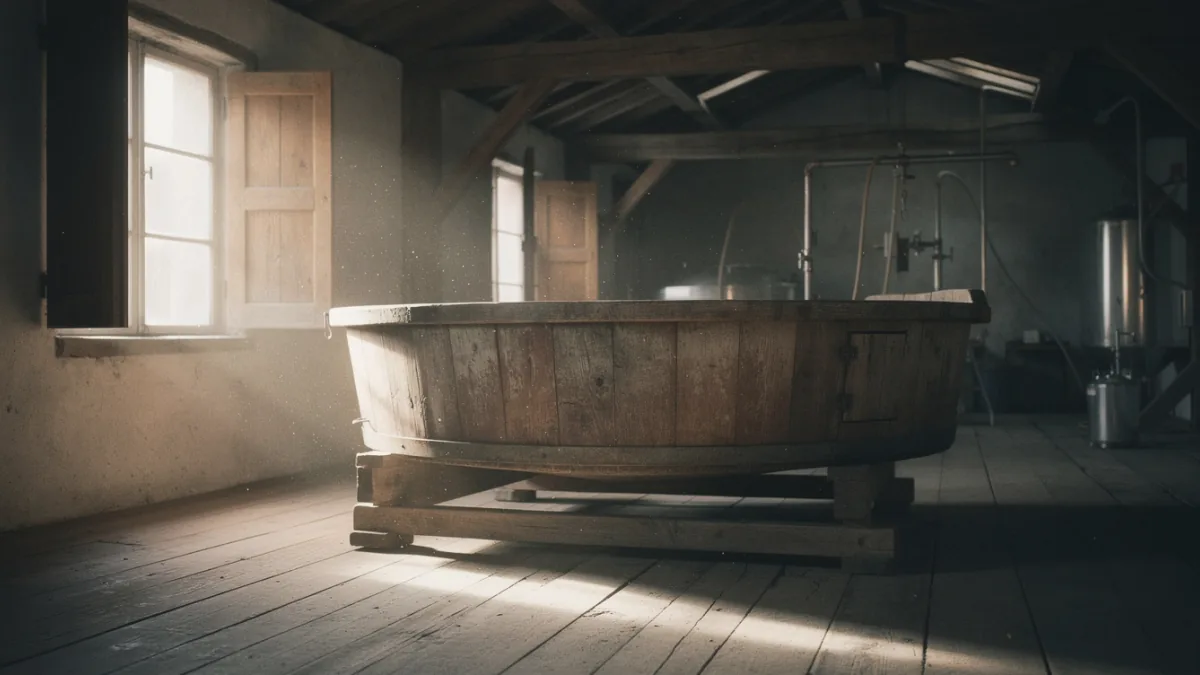
Many of these beers need time. Some age for months or even years in wooden barrels. An ordinary beer is ready much faster. This long aging shapes the flavor as well.
Getting started becomes easier once you stop thinking of these beers as beer. A Gose or a Berliner Weisse is flavor-wise closer to a sour lemonade. Anyone who knows this beforehand is rarely disappointed by the first sip. Anyone expecting a pils will be startled.
Sour doesn't always mean intentional
The existence of sour beer proves nothing about your own bottle. A pils shouldn't taste sour, and neither should a Helles. If such a beer suddenly tastes sour, that's not a style — it's a problem. The label tells you what to expect.
If a product deviates noticeably from that, the producer's information can help. If it says nothing about acidity, ask the retailer or the brewery. A remote diagnosis based on a single odd smell won't get you far. "Smells weird" can mean many things. Better to describe exactly what you noticed and how long the bottle has been sitting with you.
For your first attempt, it's best to start with a small sample. Ask at the shop or bar for a sour beer with moderate acidity. A very sour example rarely works as a starting point. It overwhelms everything else, and you learn little from it.
Afterward, describe what impression stays with you. Does the fruit stand out? Does the beer feel mainly fresh? Or does something savory linger? These three directions are more than enough to start with. With them, you'll get a more targeted recommendation next time.