From Flowers to the Coast
Style of Brandy
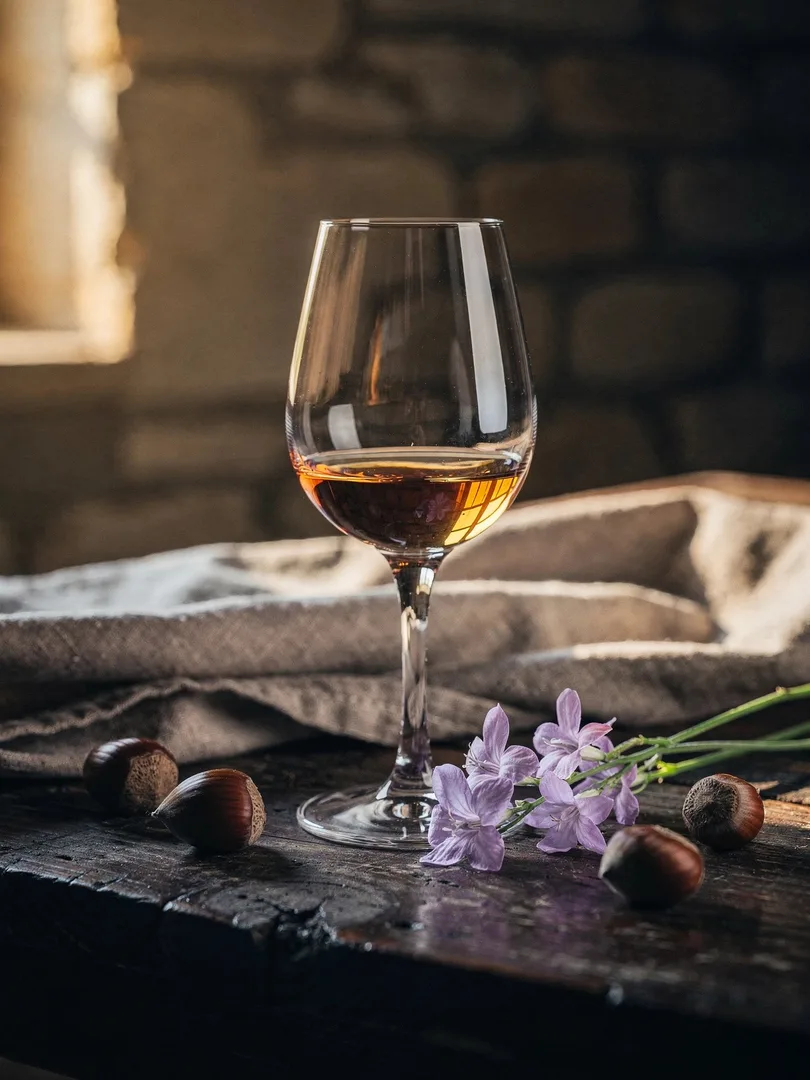
Cognac from the Borderies stands out for its florals and nuts: violet, hazelnut and toffee, round and soft. Because the cru is so small, pure Borderies bottlings remain limited in number. So where does the difference lie compared to the Fins Bois and Bons Bois? Mainly in florals, fruit, and pace of development.
The Fins Bois supply the everyday backbone of the region: well-rounded, fruity brandies that reach drinking maturity earlier than those from the Champagnes. The name literally means "fine woods," while Bons Bois means "good woods." Because of its large area, Fins Bois ends up in many blends, though individual houses also bottle it with cru designation.
The Bons Bois grow on sandy soils, along coastal strips and in certain valleys, mainly in the south. The Bois ordinaires, also called Bois à terroirs, lie by the sea and on the islands of Ré and Oléron. Both names rarely appear on labels, and their brandies are considered lighter, less layered, and earlier to mature.
The contrast with the Champagnes is clear. There, chalky soils known for long aging potential dominate; here, clay with flint, red groies, and sand prevail, and the brandies are ready sooner. Most Cognacs are blends of many crus and vintages. A single cru, by contrast, uses brandies from only one cru — a cru name on the label requires that all the grapes come from there.
Pure vintage and single-cask bottlings come mainly from independent merchants who buy individual casks from the outer crus and bottle them at cask strength. The cru therefore says nothing about a bottle's age, but everything about its character. Pineau des Charentes comes from the same region but is not a brandy at all: it is a fortified wine made from grape must and Cognac eau-de-vie.
Cognac BorderiesWine and grape brandy · Ugni blanc, Borderies cru
- Alcohol
- 40–46 % vol
- Maturity
- 4–20 Years
Amber, violet and hazelnut, soft and round, ready to drink early.