Chalk, not Champagne
Region & History
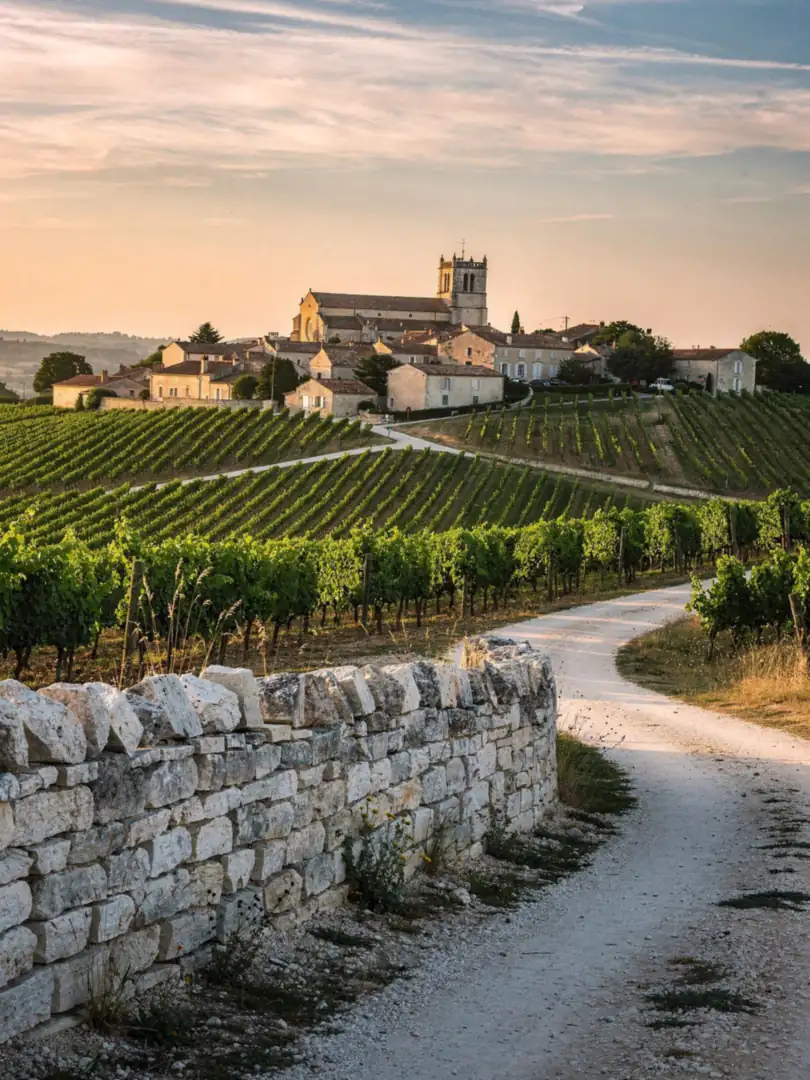
Does the Grande Champagne have anything to do with Champagne? No, even though the name has been misleading for generations. What's meant here is the innermost and most famous growing area of Cognac, a stretch of land south of the town of Cognac in the Charente, with Segonzac as its best-known village. It shares only the word with the wine region in northeastern France, not the wine and not the history.
What links both Champagnes is the soil. Beneath a thin, clayey topsoil lies soft limestone from the Cretaceous period, strikingly chalky in some spots. A decree of 13 January 1938 classified the crus, the growing zones of Cognac, according to such soils. Older surveys put the Grande Champagne at around 13,000 hectares of vines, with the surrounding Petite Champagne somewhat larger, at roughly 15,000. A commonly cited derivation of the name from the Latin campania, meaning open country, remains an interpretation.
Legally, Cognac is a protected designation of origin for a wine distillate, and it is stricter than the framework for ordinary brandy. The area was delimited in 1909, and the appellation followed in 1936. The crus are additional designations on top of this, and the Grande Champagne is classified as Premier Grand Cru.
According to the industry body BNIC, the whole Cognac region today counts 251 houses, 4,252 winegrower-distillers and 131 professional distillers. In the Grande Champagne, both worlds meet. Frapin is based in Segonzac, a family that, according to the house, has lived in the area since 1270, first as winegrowers, then as distillers, farming exclusively within this cru around the Château de Fontpinot. Smaller grower-distillers such as Daniel Bouju in Saint-Preuil distill the wine from their own vines and bottle it under their own name.