The Sherry Triangle
Region & History
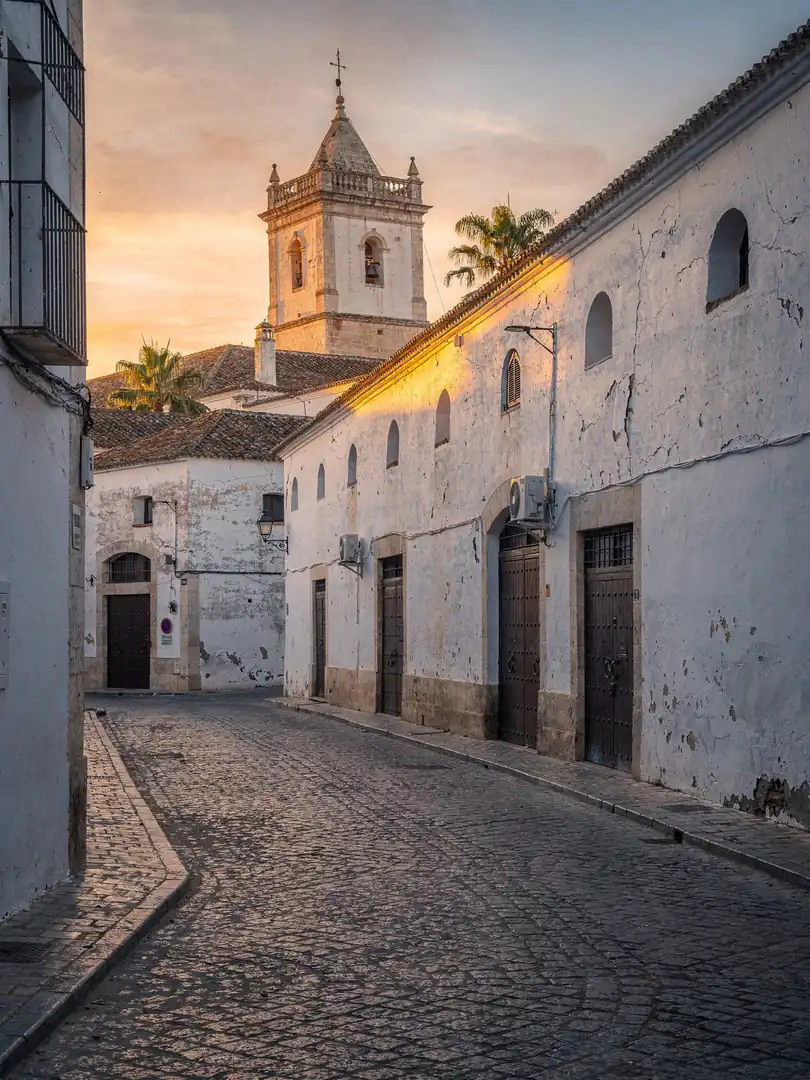
Brandy de Jerez is a Spanish brandy that ages exclusively in Jerez de la Frontera, El Puerto de Santa María and Sanlúcar de Barrameda, three towns in the province of Cádiz on the Andalusian Atlantic coast. Anyone who knows sherry already knows the stage: almost all the bodegas in the Marco de Jerez, as the area around the three towns is called, produce both sherry and brandy under one roof, with the same equipment and the same people.
According to the official regulations, distilling around Jerez dates back to the time of the Moors. The boom began in the 16th century, as a flourishing trade in brandies to Europe developed. Towards the end of the 19th century, the same document notes, the aged brandy we know today emerged from transport in oak casks.
Since 1989 the name has been registered as a Protected Geographical Indication in the EU. Legally, Brandy de Jerez falls under the category of brandy and must have a minimum strength of 36% ABV. No particular grape variety is specified. What is regulated above all is where and how the brandy ages: maturation and bottling are tied to the three towns, so that climate and cellar become part of the product.
What distinguishes Brandy de Jerez from Cognac? First, the legal framework: Cognac is a Category 4 wine spirit with its own strict rules, while Brandy de Jerez is a Category 5 brandy. Then there's the cask, since in Jerez the wood previously held sherry, and you can taste that.
Well-known houses include Osborne and González Byass, and Lustau also bottles a Brandy de Jerez. To learn how Cognac and Armagnac differ in distillation, see the comparison of French cask-aged brandies.