Pub, Not Gin Palace
Drinking Culture
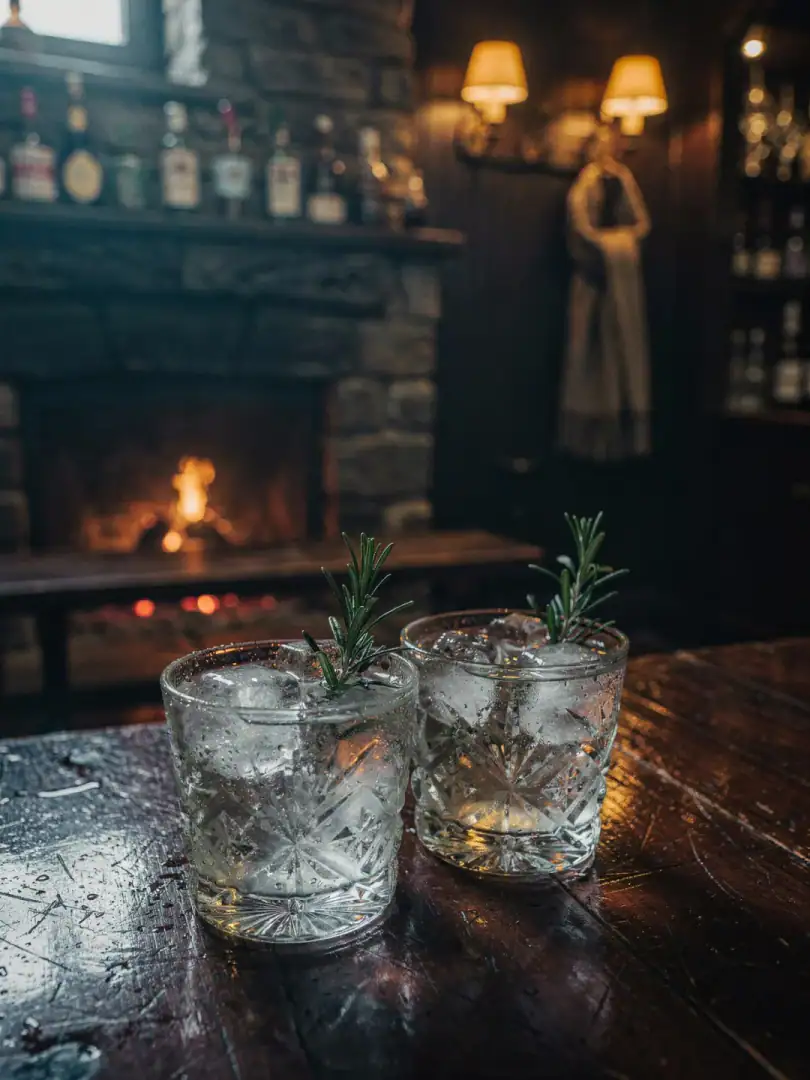
Where London had its 19th-century gin palaces, Ireland has the pub. That's precisely where gin has settled in over the past decade. Rather than dedicated gin bars, most Irish pubs simply serve gin and tonic alongside Guinness and whiskey, often with a small list of local brands the publican knows personally.
Gin and tonic remains by far the most common serve. It's usually poured in a large balloon glass, which gathers the aromas within. According to the distillery, a grapefruit twist suits Drumshanbo Gunpowder Gin well, highlighting its tea note. Dingle Gin is often served with rosemary or fuchsia blossom to bring out the peninsula's botanicals.
Since the gin boom, dedicated gin bars have also established themselves in Dublin. They stock dozens of bottles from across the country, offering guests a kind of tasting journey through the counties, from Leitrim to Kerry. Such bars remain the exception, though. The typical picture is still the rural pub with creaking wooden floors and an open fire.
Gin-related events in Ireland are younger and smaller than the country's big whiskey festivals, but they're growing. Several distilleries, including Glendalough in the Wicklow Mountains, open their doors throughout the year for tours, letting visitors watch the botanical forager at work over her shoulder.
Martini plays a smaller role in Irish drinking culture than it does in the US, though it's increasingly showing up on menus in Dublin, usually with dry vermouth and an olive or lemon twist. Ireland's strongly aromatic gins are used less often here, since they tend to dominate a straight Martini.
Overall, Irish gin culture remains unpretentious. There's no fixed ritual and no mandated glass. Gin has simply joined beer and whiskey at the bar, without displacing the pub's old habits.