The short answer
A good gin and tonic needs two ingredients that suit each other. Start with a simple ratio and actually measure the amounts. After that, change only one thing at a time.
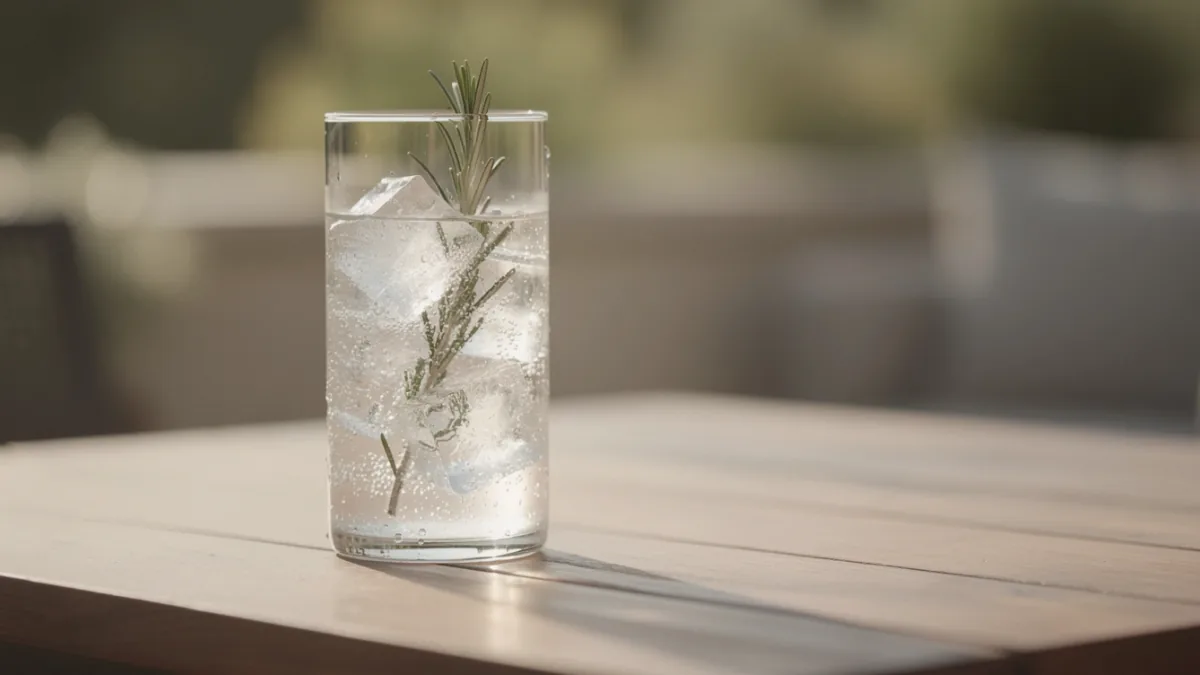
Tonic has more say in the outcome than the gin
Gin brings very different botanical aromas to the table. Tonic also has its own distinct flavor. So it's not the gin alone that decides what's in the glass, but the combination of the two.
By volume, tonic is actually the main ingredient. At a 1:3 ratio, 40 milliliters of gin faces a full 120 milliliters of tonic. If you carefully pick the gin but just grab whatever tonic is on hand, you're only deciding a quarter of the glass.
Where to start: one part gin, three parts tonic
Start with one part gin to three parts well-chilled tonic, over ice. This isn't a hard rule, just a solid starting point. If you can barely taste the gin, use less tonic next time. If the drink feels too strong, use more.
Skip any elaborate garnish at first. On your second attempt, swap either the gin or the tonic — never both at once. Keep the quantities consistent. That way you'll actually recognize which change you like.
More alcohol doesn't make the drink better. There are also alcohol-free varieties with juniper, and these can suit your occasion just as well.
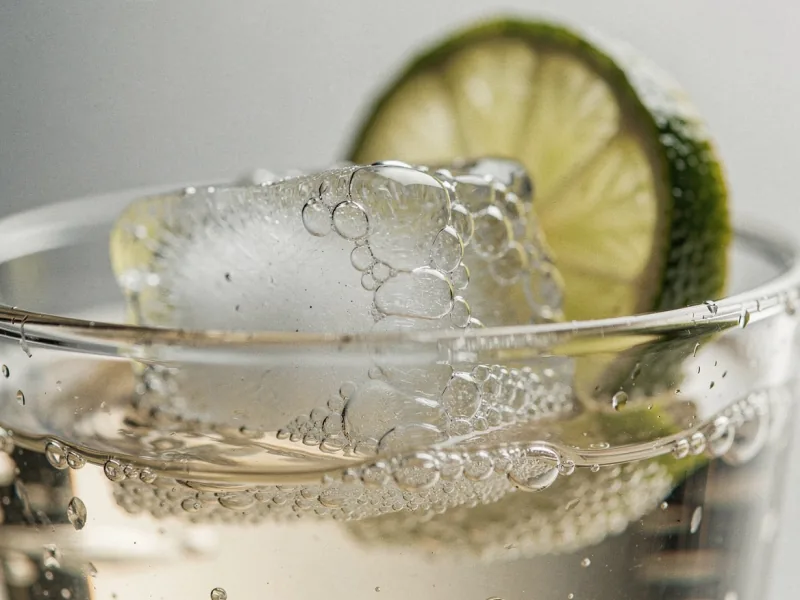
How to mix a gin and tonic
Fill a highball glass or a large wine glass generously with solid ice cubes. Add 40 ml gin. Slowly top up with 120 ml well-chilled tonic. Stir gently once, from bottom to top. A thin strip of lemon peel is garnish enough. Wash the lemon beforehand.
The 1:3 ratio is just the starting point. If you want more gin character, try comparing 40 ml gin to 80 ml tonic next time. For a longer drink, 160 ml tonic is another option. Keep the gin amount, ice, and glass the same so you can actually attribute the change.
Which tonic, which garnish?
A plain Indian tonic works well as a comparison base. Heavily flavored tonics, on the other hand, tend to overpower the gin's botanicals — its plant-based aromas. Little of the gin comes through then.
If the drink tastes too sweet to you, look at the tonic first. If it seems too bitter, adding more gin isn't automatically the right fix.
Cucumber, citrus peel, and rosemary each contribute very different aromas. Start with a single garnish. Peppercorns and whole herb bundles aren't a mark of quality and can actually get in the way while drinking.
Carbonation matters too. A freshly opened tonic brings sparkle, which makes the drink feel lighter. A bottle that's been sitting in the fridge since yesterday will make the same gin and tonic flat and cloying. Smaller bottles are therefore more practical than one large one you pour from three times.
The three most common mistakes
Too little ice is the most common mistake. A half-filled glass melts quickly and waters down the drink. Plenty of ice keeps the contents cold while barely melting. It sounds backwards, but it's true: more ice means less dilution.
The second mistake is stirring too vigorously. Every movement drives out carbonation, which carries a good part of the overall impression. One gentle stir from bottom to top is enough to bring gin and tonic together.
The third mistake is lukewarm tonic. Chill your mixer in advance, so the ice has less work to do and the drink stays the way you mixed it for longer.