Caramel, Vanilla, Wood
Tasting
What does aged molasses rum from Mauritius taste like? Soft, with caramel and vanilla on the nose, with dried fruit, orange peel and fine wood on the palate. The column makes the spirit light, the barrel gives it roundness. Sharp edges are rare, and the finish is of medium length.
Two houses make good examples. Grays bottles molasses rums under the New Grove name, including a young one, an aged one and an XO. Domaine de Labourdonnais in the north has, according to trade media, distilled sugar cane juice since 2006, and its rum works well as a counterpoint to molasses rum.
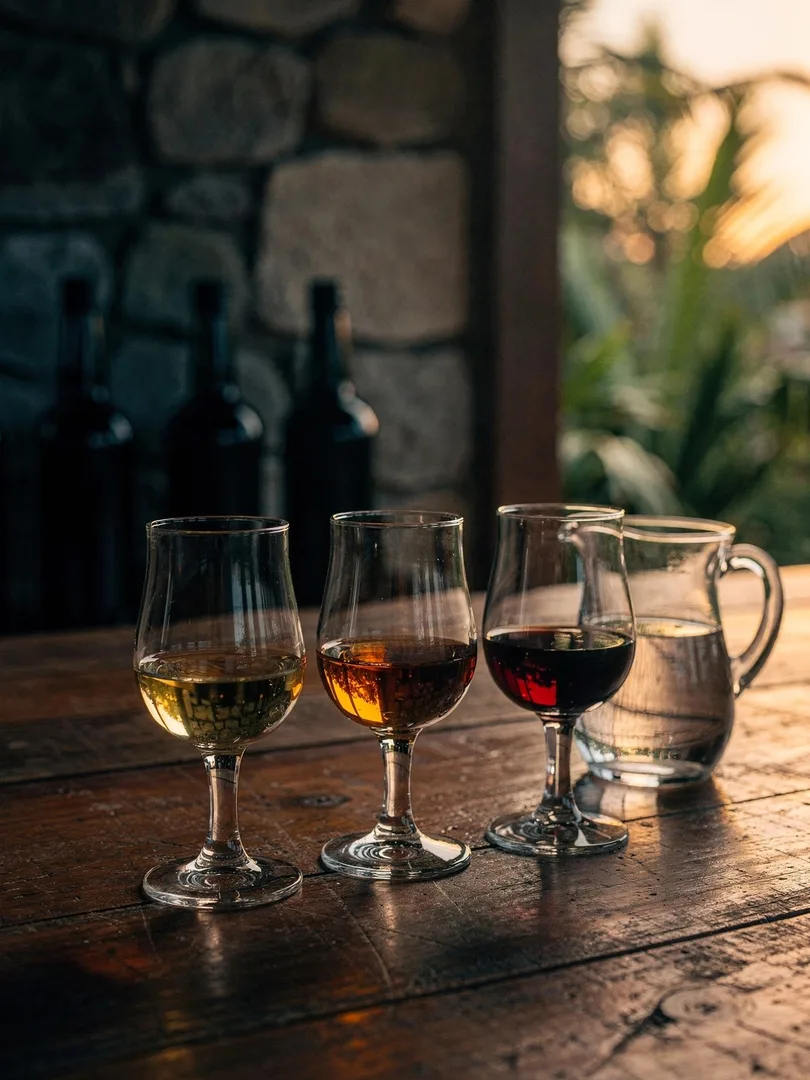
A tulip glass or a Glencairn collects the aromas at the top and keeps them from escaping. Hold the glass at chest height to the nose, breathing in shallowly at first and then more deeply, so the alcohol doesn't overpower the subtle notes. Swirling is barely necessary; a gentle tilt is enough.
Temperature is a compromise. A rum straight from the fridge closes up, while one warmed in the hand burns off its aromas. A cool room is a good setting, and the glass shouldn't be warmed with the palm of the hand. At 40 percent, the rum can be tasted neat. A rum with higher alcohol content becomes softer with a drop of water, releasing its fruit.
When comparing, a fixed order pays off: start with the younger one, then move to the older. Note where the sweetness begins and where the wood takes over. It's a good sign if caramel and fruit are still present at the end, after the alcohol has long since faded. Tasting a rum only once means missing its finer points; tasting it twice reveals them.