The short answer
Drunk neat, a rum reveals what's inside: the sugarcane, the fermentation, and the cask. Color and age statement barely help you here. A dark rum doesn't have to be old or sweet. You'll learn the most with a small sample, a glass with a narrow opening, and a bit of patience.
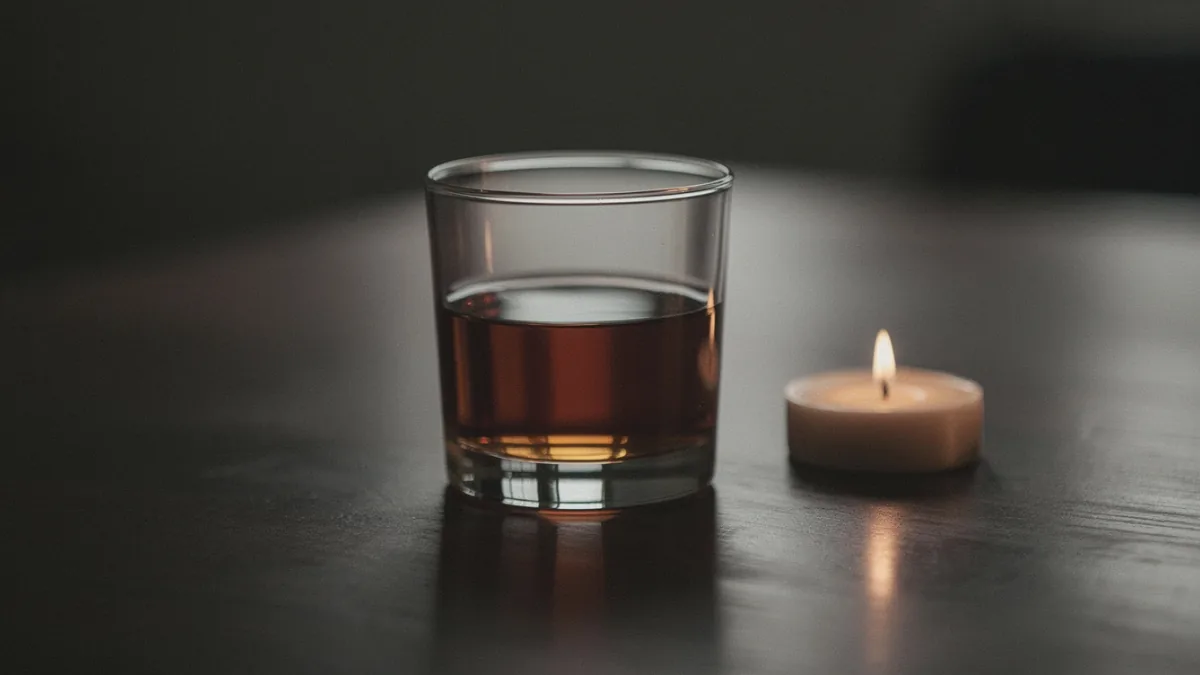
Start small, look closely
Choose a bottle that states origin, alcohol strength, and production method. This information is your reference point for everything else. A light-colored rum can smell very intense. A dark rum isn't automatically old, since the color can also come from the cask or from additives.
Two questions belong together yet mean different things. How sweet does the rum taste on the tongue? And has sugar been added? A rum can taste sweet without anything being added. If an unsweetened style matters to you, ask specifically in the shop.
Two to three centiliters are plenty. A generously filled glass tempts you to drink rather than to smell. The first impression is the most important one anyway. After a few minutes, your nose adjusts to the alcohol and registers less.
Glass and temperature
Use a small glass that narrows toward the top. A tulip shape or a wine glass collects the aroma above the liquid. A wide, straight glass lets it escape.
Start at a cool room temperature. Hold your nose at a distance above the glass first, then move in slowly. Very cold rum smells noticeably weaker, because the cold holds back the aromas.
Ice does two things at once: it cools, and it dilutes. Judge both separately. Taste the rum neat first, then add ice to a second sample. Afterward, you'll know which change came from where.
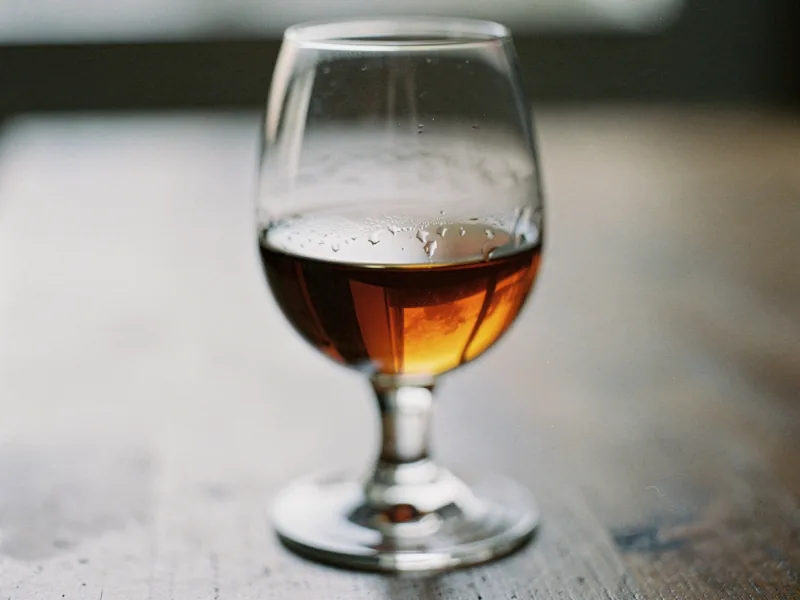
Describing fruit, spice, and mouthfeel
When smelling, focus on just a few directions. Fresh or ripe fruit? Vegetal notes, like grass or sugarcane? Vanilla, wood, spice? No rum shows all of these impressions at once, and it doesn't need to.
A strong fermentation character can be intentional. It develops before cask maturation and has nothing to do with the wood. Don't confuse it with cask aging.
Mouthfeel is the underrated observation. Does the rum feel oily on the tongue, or thin? Does it feel dry or sweetish? This tells you more about the style than any list of aromas. And you don't need any technical vocabulary you'd first have to learn.
When water helps
With strong bottlings, a few drops of still water are worth trying. The alcohol recedes, and other notes step forward. Don't pour in a lot at once. A few drops, wait briefly, smell again.
Note what has changed. Some rums open up noticeably this way, others end up tasting flat. Either result tells you something about the bottle.
If you don't enjoy a rum neat, that's not a verdict on the bottling. The same bottle can work very well in the right cocktail. Drinking neat is a way of getting to know a spirit, not a higher form of enjoying it.
Two samples side by side
A single rum tells you little. Two side by side tell you a lot. Take one made from molasses and one from sugarcane juice. Or a young one and an aged one. What matters is equal quantity, equal glasses, and equal temperature.
When smelling, switch back and forth between the two glasses. Don't judge them one after the other in isolation. The sense of smell is good at comparing and weak at absolute judgment.
That's exactly why this setup works better than two separate evenings. The difference strikes you immediately. You barely need to put it into words to recognize it.