The short answer
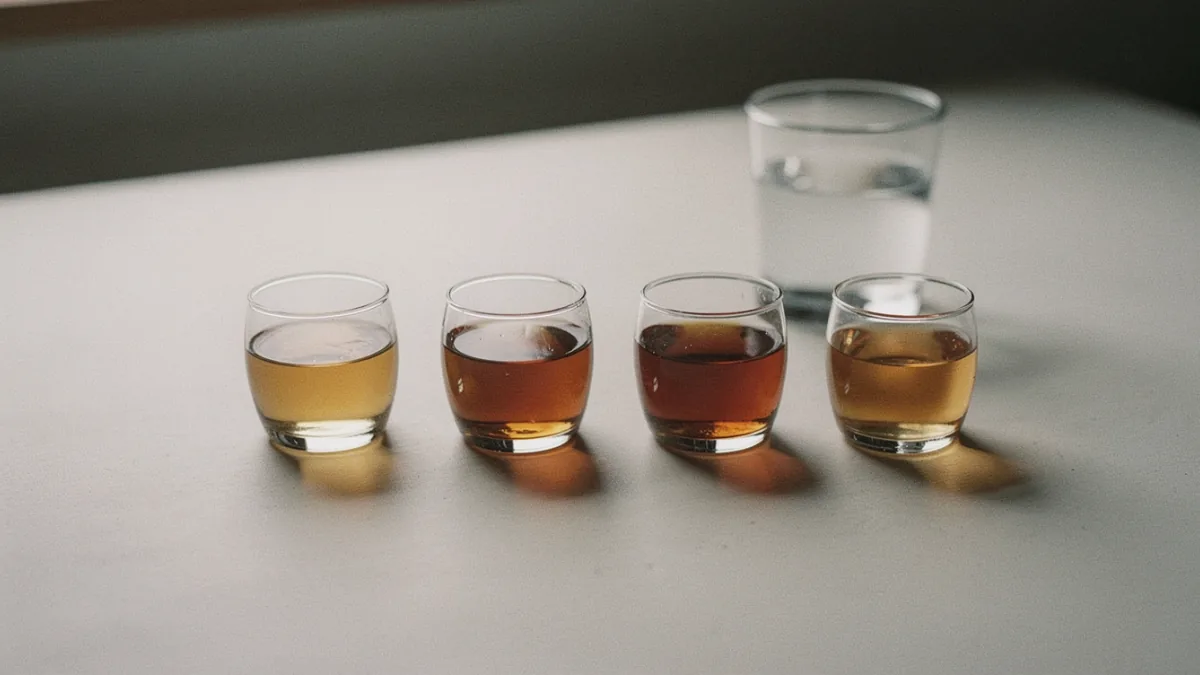
Take small samples and compare them under the same conditions. Note color, aroma, sweetness and strength separately. Otherwise everything ends up as a single word like mild or bold.
Don't overrate color
A rum's color doesn't only come from the barrel. Several steps in production can influence it. That's why it's no proof of age or quality.
Note it down anyway, but as what it is: an observation right at the start. If you later compare two samples and one was darker, you'll want to know whether that swayed your judgment. In your notes, the color serves as a reminder of your own expectation, not as an assessment.
The eye judges faster than the nose does. Knowing this happens lets you counteract it. That's why it's worth writing down the color and then deliberately setting it aside.
A simple routine
First smell with some distance from the glass. Then take a very small sip and ask yourself two things: What strikes you first? What lingers longest?
Write down briefly what you notice. 'Fruity, little wood, too strong' will help you more at your next purchase than a copied list of ten aromas. Note it down as soon as possible. Anything you write later is already just the memory of an impression.
Record the producer, bottling and strength. If you're comparing two products, both should have a similar ABV. Otherwise you're mainly comparing the alcohol.
Two samples are plenty to start with. Many glasses lined up sound like more insight. Usually they just mean you don't really look closely at any of them.
The glass matters more than it sounds. A vessel that narrows toward the top concentrates the aroma. In a straight glass, it escapes. For comparison, it's enough that both samples sit in the same type of glass. Which type it is no longer matters then.
At higher ABV, a second sample with water is worthwhile. A few drops are enough — don't just splash in water at random. What opens up can otherwise go unnoticed. And what disappears also tells you something about the bottling.
As a next step, you can try a sample in its intended cocktail. That's a separate judgment. Interesting neat and working well in a drink don't necessarily go together.
Why four observations are enough
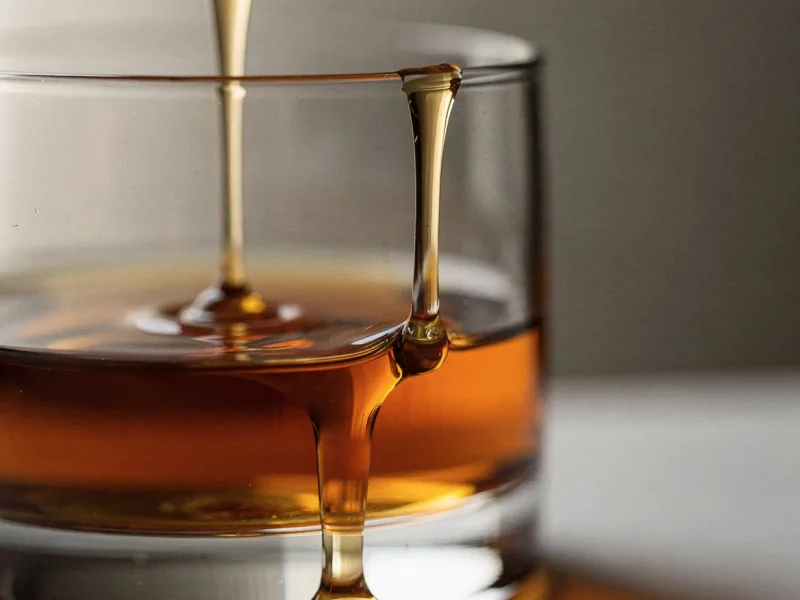
Flavor lists with twenty terms look impressive. They still won't help you at your next purchase. Color, aroma, sweetness and strength are four things you can reliably tell apart. From these four observations, you can make a decision.
The more you compare, the more you'll notice on your own. The rest comes with time and doesn't need to be there on the first evening.
Write in your own words. 'Reminds me of dried fruit' is a useful note, even if no reference book phrases it that way. Don't adopt someone else's description before you've smelled it yourself. Anyone who reads 'vanilla' usually finds it.