Solera in oak
Cask & Climate
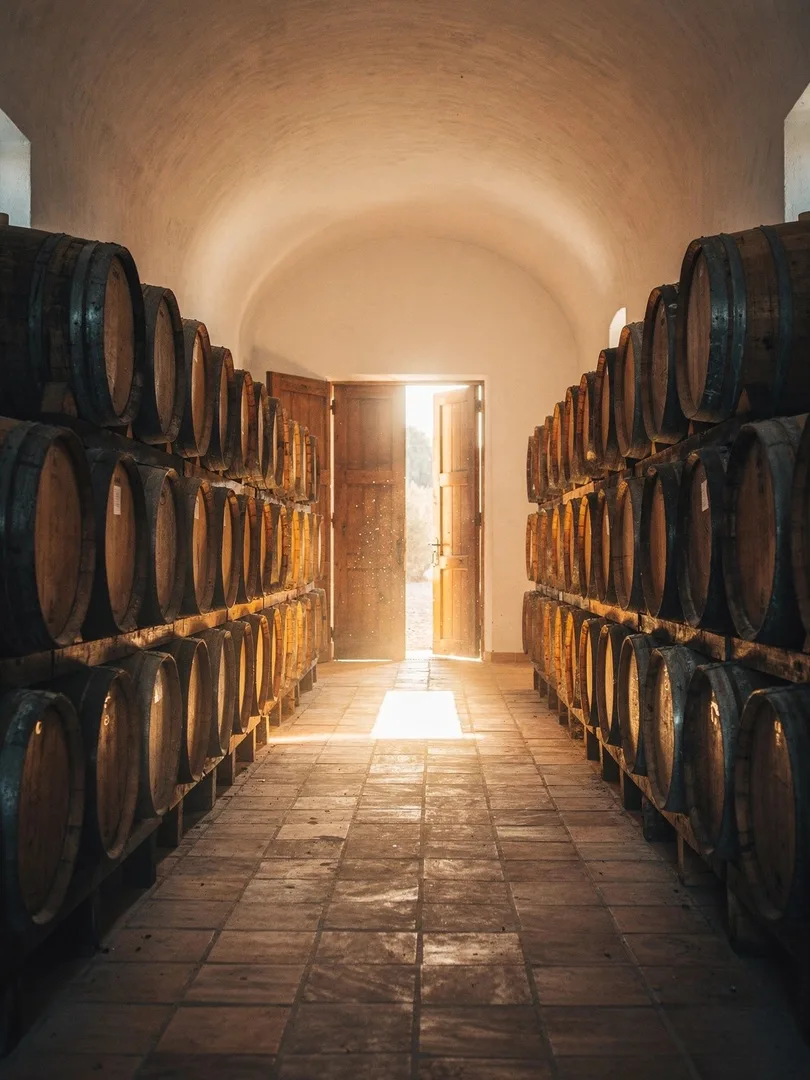
Rum from Spain, like many other rums, is aged in oak casks. Ron Montero reportedly uses 500-liter casks made of new American oak, known in English as virgin American oak. New casks impart more wood, vanilla, and roasted notes than the used bourbon casks typically found elsewhere in the rum world.
The house ages its rum in a four-tier solera system. How does a solera work? Several tiers of casks are stacked. Only a portion is ever drawn from the lowest, oldest tier. The gap is refilled with rum from the next, younger tier, whose gap is in turn topped up from above. Over the years, younger rum blends with older rum, keeping the flavor consistent year after year.
The method comes from the world of sherry, also at home in Andalusia, though further west in the province of Cádiz. Rum houses across Latin America adopted it, and Motril has used it since the house's founding, according to the distillery.
What does the number on the label mean? Ron Montero doesn't display age statements; the house blends and bottles when the flavor is right. For context: within the EU, an age statement refers to the youngest component of a blend. With solera rums, however, a number on the label often refers to the oldest component instead. Añejo, Reserva, and Gran Reserva are marketing terms without any unified standard.
The climate on the coast of Motril is mild. The warmer it is, the faster rum matures in the cask; in tropical warehouses this happens much more quickly than here. The house itself speaks of slow maturation, and in this setting, that's an honest description.