The short answer
Stand rum upright, seal it tightly, and keep it away from sun and heat. Nothing continues to develop in the bottle: only wood releases aromas, glass doesn't. An opened bottle can still lose some of its fragrance over time.
The Right Spot
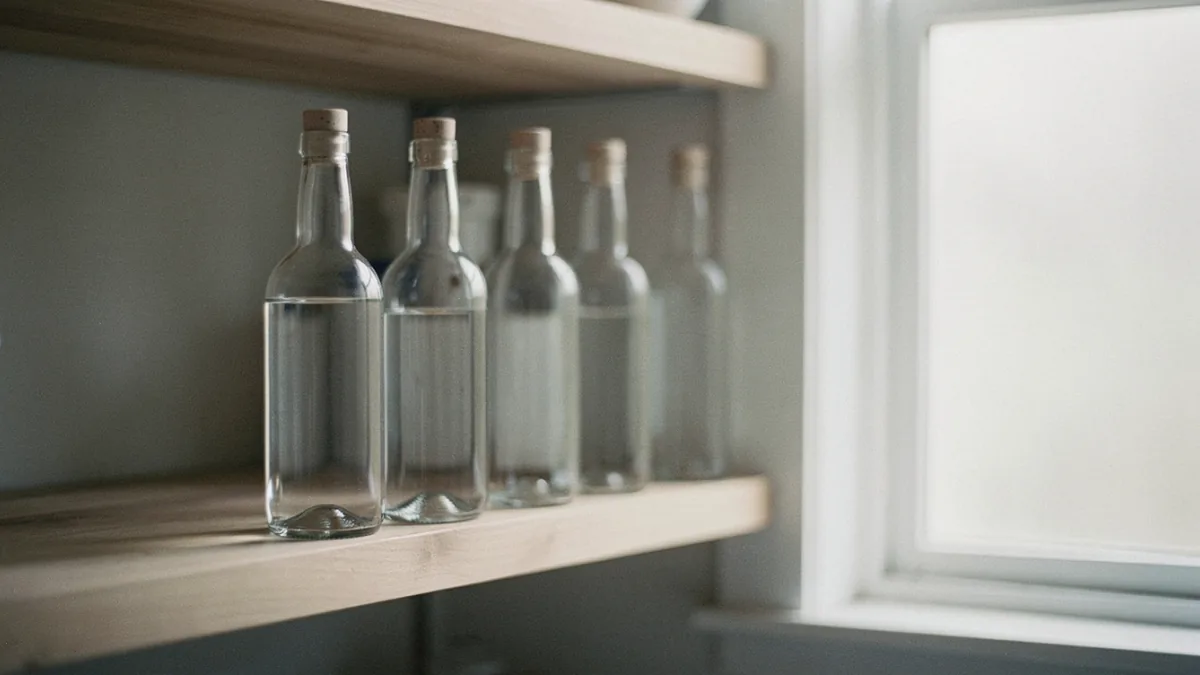
A dark cupboard with a steady temperature is enough in most homes. Avoid the sunny shelf by the window and any spot above a heat source. Light and warmth are the two enemies here. Reseal the bottle right after each use.
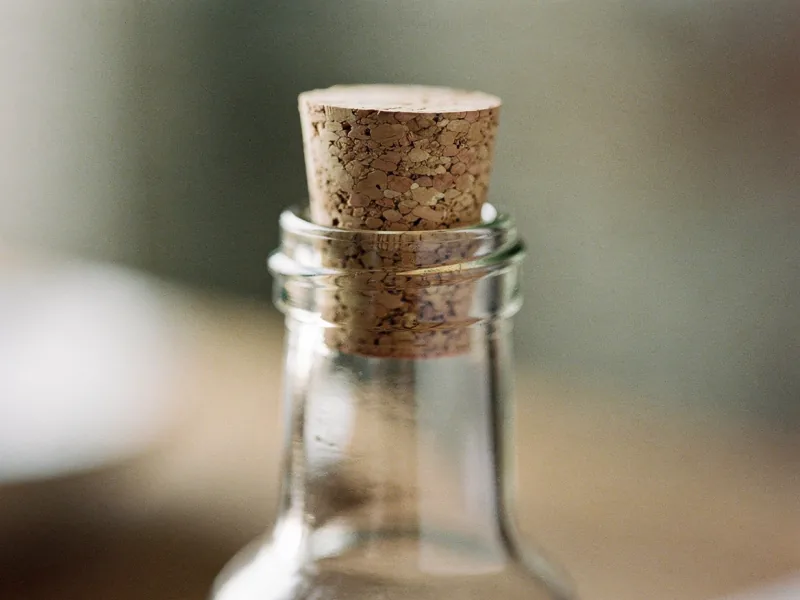
Upright storage is a must here, not just a suggestion. High-proof alcohol attacks the cork as soon as it rests against it for long. The closure grows brittle and eventually stops sealing properly. Alcohol then evaporates, and air gets in.
You may know from the wine cellar that bottles are stored lying down. For wine, this keeps the cork moist. That doesn't apply to spirits, since their alcohol content is far higher.
You don't need a cellar for this. Rum copes well with normal room temperature. What causes problems are big swings, such as between a cool night and a hot afternoon on the windowsill. A cupboard in a living space fluctuates less than any shelf by a window.
Watching Opened Bottles
Three things change an opened rum: a lot of air above what's left, a leaky closure, and constantly shifting temperatures. The less rum left in the bottle, the more air sits above it. That air is the real reason for change.
There's no general use-by rule for all rums. For bottles you rarely touch, jot down the date you first opened them. Check later whether the aroma and flavour have noticeably faded. Your own impression is the most useful yardstick here.
As a rough guide: down to the halfway mark, little happens over months. By the last fifth, the change usually becomes noticeable within a few months. The rum loses aroma and tastes flatter. There's nothing dangerous about this—it's about flavour, not safety.
Rum Isn't the Same as Rum Liqueur
Some bottles look like rum but contain something else. Products with cream, fruit content, or noticeably lower alcohol form their own category. Read the exact product description on the label. It tells you what's actually in front of you.
One rule of thumb helps: anything under about 20 percent alcohol, and anything with dairy or fruit components, belongs in the fridge once opened. The window for enjoying it is much shorter there. There's usually a specific note on the bottle for this, and it means exactly that.
Homemade cocktails and non-alcoholic alternatives follow their own rules too. What applies to a high-proof rum tells you nothing about them.
Small Leftovers and Stock Planning
For a small amount you want to keep for a long time, there's a simple trick. Decant it into a smaller, clean glass container with a tight seal. That way, less air sits above the rum. Label the container clearly, or you'll be puzzling over it in six months.
But usually something else helps more: keep the number of bottles open at once manageable. Buy for cocktails according to the recipes you'll actually make. Lots of colours on the shelf look nice but mostly cost you aroma.
A second thought is worth having before you buy. How often does this bottle actually make it to the table each year? For two evenings a year, the smaller bottle is the better choice. Otherwise the large one sits half-full in the cupboard for years, losing exactly what you bought it for.