The short answer
A large number on a rum bottle isn't automatically the age. It could just as easily be a founding year, or simply part of the product name. Check whether the label explicitly refers to maturation time.
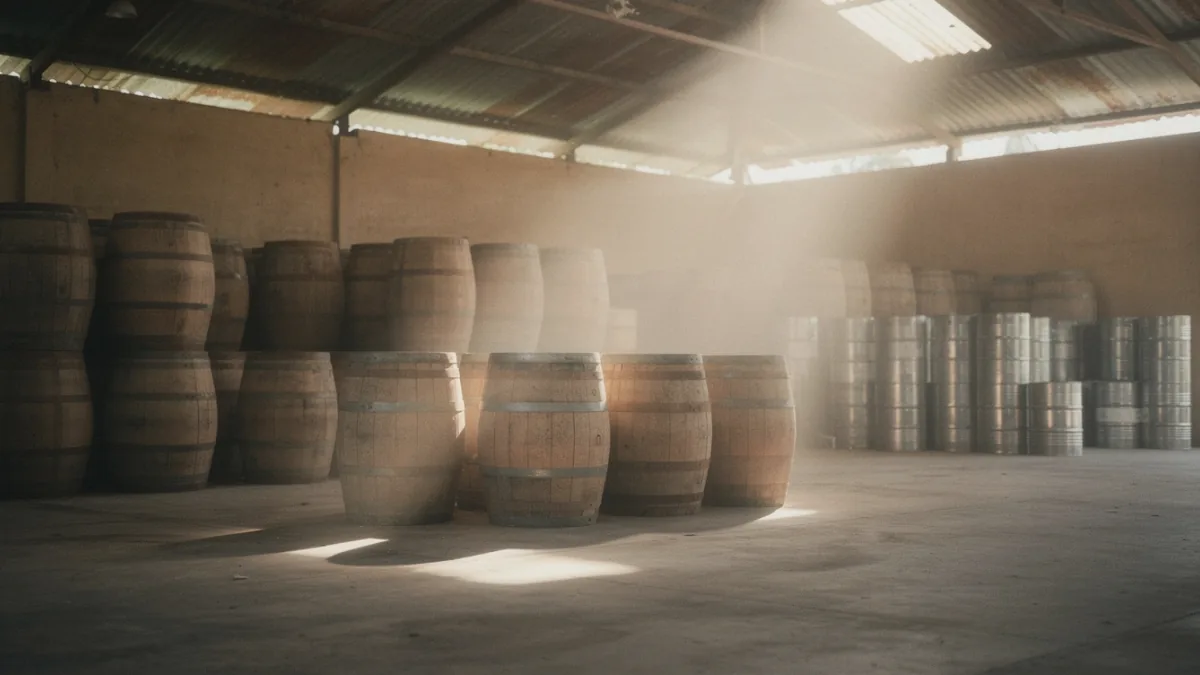
Separating the number from the claim
Many rum bottles carry a large number. What it actually means only becomes clear from the surrounding text. It could refer to time spent maturing in cask, the distillery's founding year, a recipe number, or simply be part of the product name. If a word like "aged" or "años" appears alongside it, it usually refers to maturation. A number that stands alone, prominently displayed on the label, doesn't necessarily say anything about the cask at all.
Origin, production and maturation are three separate pieces of information. On the label, they often sit close together. Read it as a whole passage of text, then - not as a single number in front of a nice background.
Color doesn't help either. A dark rum isn't necessarily an old rum. The color can come from the barrel, and it can come from other steps in production.
Here's why this isn't nitpicking: this number drives the price more than almost any other detail. If you read twelve years and pay for twelve years, you'd like to actually get twelve years.
It pays to ask questions
The word Solera trips people up most often. Solera is a process where young rum is continually blended into older rum. What ends up in the bottle is a mix of many vintages. A number alongside it might refer to the oldest component. It could equally be a calculated average age. Same figure, two very different meanings.
So if you see Solera on the bottle, ask what the number actually refers to. A product name, the oldest component, and a guaranteed age statement are three different things, not one.
EU law draws a clear line here. A stated maturation or age refers to the youngest alcoholic component. So if young rum is also part of the blend, its age is what counts. Regional regulations may impose additional requirements.
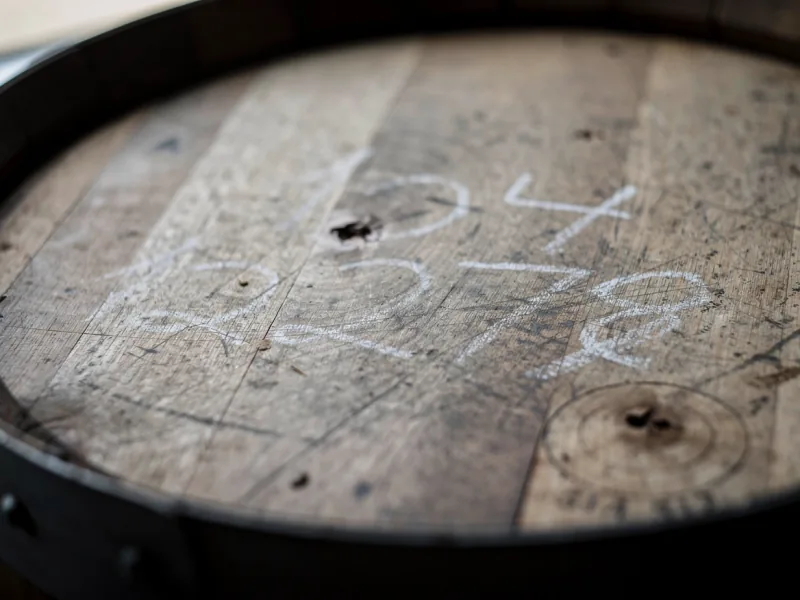
Flavor can't be calculated
Two rums can't be ranked by age alone. Barrels and storage locations differ from distillery to distillery. One rum may have aged in a fresh barrel, another in one that's been used many times before. You'll taste such differences far more clearly than any jump in the stated age.
Keep track of which bottling you've tried, and let your own impression be the judge. A higher number doesn't automatically taste better. For your cocktail, it might even be the wrong choice.
Checking the numbers on rum bottles
Three claims keep popping up on the shelf. For each one, there's a follow-up question that takes you from marketing speak to the actual facts.
| You see … | Your follow-up question |
|---|---|
| A big number in the product name | Is this actually a declared age statement? |
| A reference to a maturation system | How is the age of the components described? |
| A specific year stated | Which component does it refer to, and what's the scope of the claim? |
What a high number doesn't promise
Longer maturation means, above all, one thing: more contact with wood. That can make a rum rounder. It can also dominate the profile so much that barely any sugarcane character comes through. Whether you like that is purely down to your own taste.
Climate plays a role too. In warm conditions, a barrel works faster than in cool air. The same number therefore doesn't mean the same thing in two different warehouses.
In a cocktail, a long-aged rum is often the worse choice. What impresses neat can get lost between lime and sugar. You've paid for it either way.