White and Red
Grape Varieties
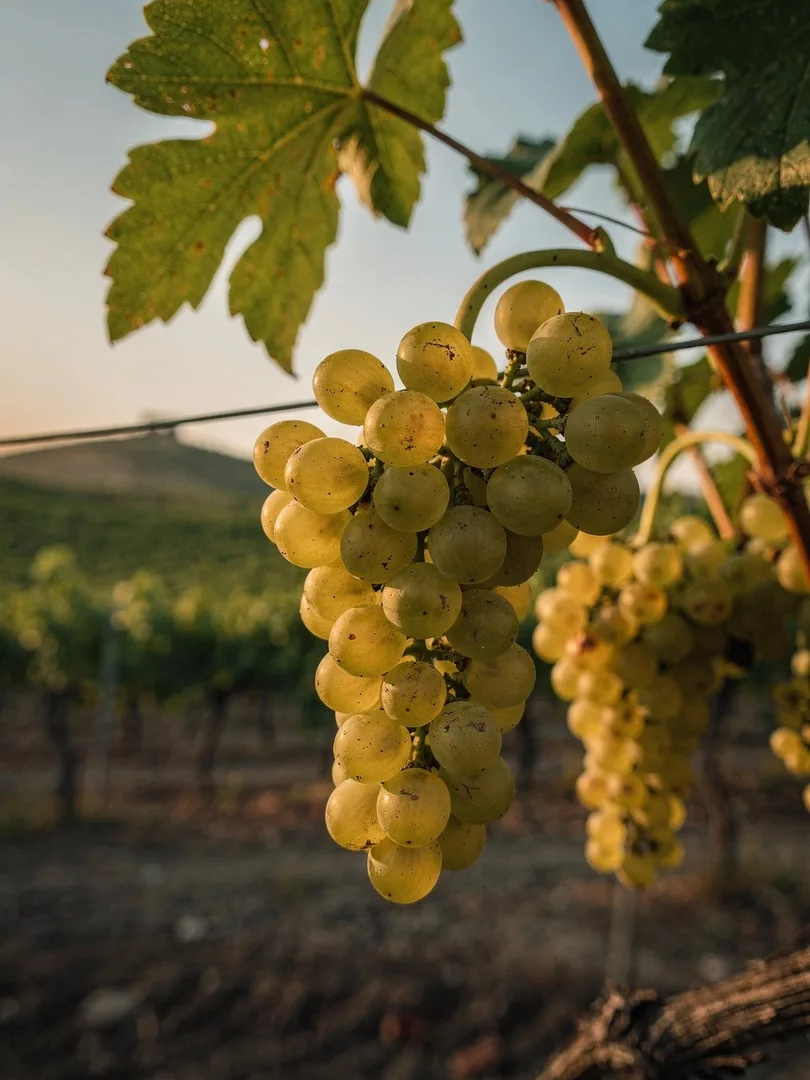
Bordeaux is famous for red wine, but white varieties are what go into Crémant. Approved grapes include Sémillon, Sauvignon blanc and Sauvignon gris, Muscadelle, Colombard and Ugni blanc. This reflects the diversity of the region, which works with a broad range of grape varieties anyway.
Sémillon brings body and a round, slightly waxy note to the glass. Sauvignon blanc contributes freshness, citrus and gooseberry, while Muscadelle adds a floral touch. Together, they create a sparkling wine that feels softer than a pure Sauvignon and has more lift than a pure Sémillon.
Red grapes come into play for rosé and for pale wines made from red grapes. Permitted varieties include Merlot, Cabernet franc and Cabernet sauvignon, plus Malbec, Petit Verdot and Carménère. Merlot gives strawberry and cherry notes, while Cabernet franc adds a fresh, slightly green spice. Rosé made from these grapes tends to taste more fruity than tart.
It's notable that none of these grapes were bred specifically for sparkling wine. Winemakers simply use what's already growing in the vineyard, picking it early enough for the acidity to hold up. This fits with the fact that many Crémants from Bordeaux taste more of fruit than of brioche, the toasty note you'd expect from long lees aging in Champagne.
In Gaillac, the list looks completely different. For sparkling wine made using the méthode ancestrale, Mauzac does the work, including the Mauzac rosé variant. It brings apple and pear to the glass. Len de l'El, another white variety from the region whose name means "far from the eye," doesn't appear in this bottle: it's made purely from Mauzac.
Mauzac ripens late and carries plenty of acidity, which gives it tension. That makes it a classic variety for sparkling wine in the southwest.