The short answer
Crémant is a name for certain sparkling wines made with traditional bottle fermentation. The wine ferments a second time in its own bottle. Well-known examples come from several different French regions.
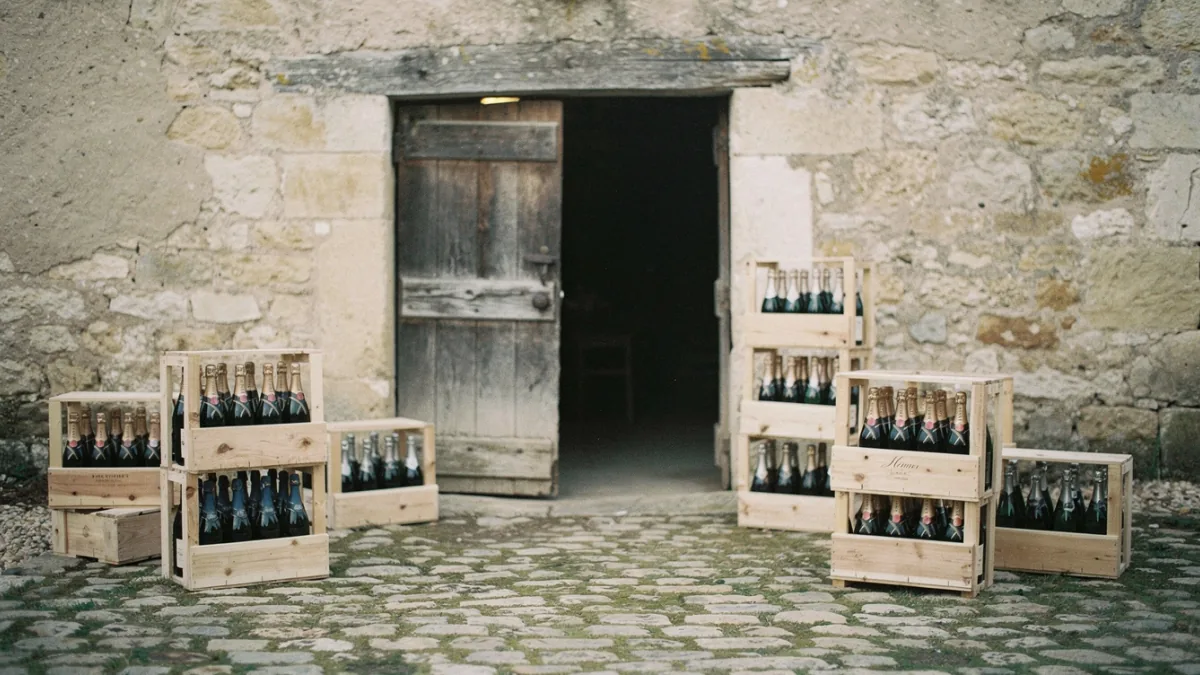
Not simply another name for Champagne
Crémant and Champagne can use the same fermentation method. They don't come from the same origin. Regional grape varieties and the producer's choices lead to different styles.
Bottle fermentation means: the wine ferments a second time in the very bottle that will later stand in front of you. The carbon dioxide forms within the wine itself. It isn't added afterward. This is exactly what Crémant and Champagne have in common. Everything else sets them apart: the region, the grape varieties grown there, and the decisions made in the cellar.
So the name tells you more about origin and production method than about quality. Crémant is its own category with its own name, not a lesser version of something else. Anyone who reads the bottle only as a cheaper alternative often stops paying attention while tasting it. Yet the regional grape varieties bring their own aromas and structure to the glass. So try a bottle as if you'd never heard the comparison name at all.
Choosing Crémant by style and sweetness
Look at the full name, such as Crémant d'Alsace or Crémant de Loire. Then check the sweetness level. When buying, say what impression you're after: fresh and fruity, or with more pronounced aged aromas. The region name comes right after the word Crémant. That's exactly the part worth remembering.
Crémant is more than a substitute for a pricier bottle. Try it on its own and note what occasion you'd like to open it for. If you compare it with another sparkling wine, choose similar sweetness levels wherever possible. That way it's easier to tell whether you're responding to the style or mainly to the sugar.
The two key details are usually printed close together on the label: the full origin name and the sweetness level. The first tells you the region, and with it, which grape varieties may be involved. The second determines whether the glass feels lean and crisp or rounder and softer.
Pour the Crémant well chilled, but not ice cold. Too cold, and the fruit disappears, leaving mostly the fizz. Use a glass with a bit of a bowl shape so the aromas have room to develop. Let the first sip in the glass warm up slightly. After a few minutes, the impression often changes noticeably.

Crémant is not a cheap Champagne
The most persistent myth: that Crémant is Champagne for the budget-conscious. The kinship lies in the method, not in the origin. And origin shapes the taste at least as strongly. Two Crémants from different regions can differ from each other more than a Crémant and a Champagne do.
The second myth: 'Crémant tastes like this.' There's no single, uniform Crémant flavor. Behind the term stand several regions, each with its own grape varieties. If you don't like one bottle, that doesn't rule out the whole category. Better to note the full name from the label and try a different one next time.
Tasting Crémant against Prosecco
Set two bottles side by side that are close in sweetness level but come from different regions. Pour both at the same time and switch back and forth several times. What stands out is the difference in grape variety and style. The sugar level in both glasses is, after all, similar. This comparison makes clear much faster than any description what you're actually reacting to.
After each glass, jot down two or three keywords, in your own words if you like. Whether something tastes of apple, brioche crust, or simply comes across as dry is secondary. What matters is that you can find your notes again on your next shopping trip. After three or four bottles, you'll start to reliably recognize what to expect just from the full origin name. The region name then becomes shorthand for a particular flavor.