A Global Success Story
How Prosecco Conquered the World: From Conegliano to 667 Million Bottles
Prosecco conquered the world with three things: tank fermentation, which preserves Glera's fresh aromas; the 2009 origin reform; and a growing appetite for light, uncomplicated sparkling wines. In 2025, DOC Prosecco alone sold 667 million bottles, more than 82 percent of them exported.
The Beginnings: Antonio Carpenè and the Conegliano School
Wine has been grown for centuries in the hills between Conegliano and Valdobbiadene in the province of Treviso. The area became known for sparkling wine in the 19th century. In 1868, Antonio Carpenè founded a company in Conegliano to produce sparkling wines and spirits. Carpenè Malvolti is still considered one of the pioneers of Prosecco, though claims to pioneering status are often contested in wine history.
In 1876, Italy's first wine school was established in Conegliano, with Carpenè among its founders. It trained generations of cellar masters and turned the area into a center of winemaking knowledge. The wines of that era looked quite different from today's Prosecco. Many underwent secondary fermentation in the bottle and were served along with their lees. This tradition lives on in Prosecco Sui Lieviti, formerly known as Col Fondo, which remains on its lees in the bottle.
Tank fermentation: the technique behind Prosecco's success
The technical breakthrough came from Piedmont and from France. In 1895, Federico Martinotti of Asti filed a patent for secondary fermentation in large pressurized tanks; in 1907, Eugène Charmat improved and patented the process. In Italy it's therefore called the Metodo Martinotti, elsewhere usually the Charmat method. Instead of fermenting in millions of individual bottles, the wine ferments in pressurized steel tanks and is then filtered and bottled.
This suits Glera, the Prosecco grape, well. It has aromas of pear, apple, and white blossom, and this fruit character is meant to come through in the glass. Extended lees aging, as with Champagne, would mask it with bread and brioche notes. Tank fermentation is faster, requires less manual labor, and allows for large, consistent volumes. This laid the groundwork for a mass market decades before it actually arrived.
Prosecco 2009: the reform that turned a name into an origin
For a long time, Prosecco was a regional specialty. A 2008 overview makes this clear: of the Prosecco production at the time, with and without DOC status, 90.4 percent came from the province of Treviso. The hills around Conegliano and Valdobbiadene had held their own DOC since 1969. At the same time, however, the grape variety was also called Prosecco, and vines of this name could be planted anywhere in the world.
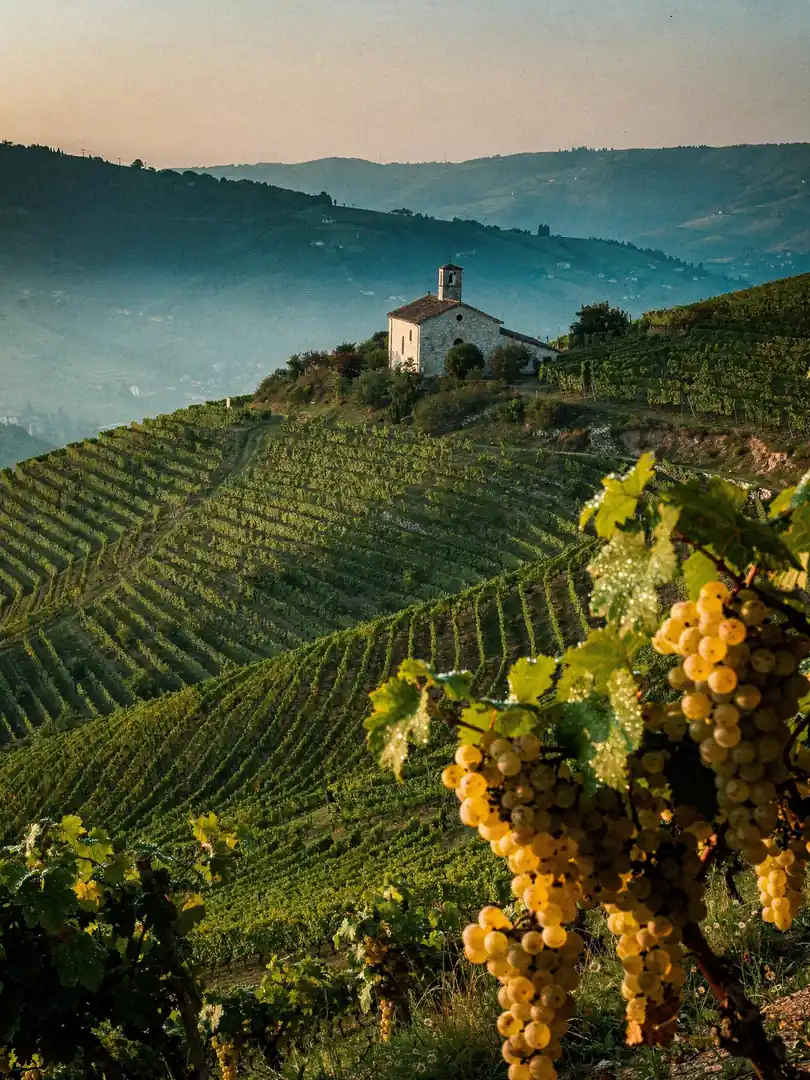
The ministerial decree of July 17, 2009, effective January 1, 2010, changed this. Since then, the grape variety has been called Glera, and Prosecco is now solely a protected designation of origin. The new Prosecco DOC covers nine provinces in Veneto and Friuli-Venezia Giulia, including Trieste with the village of Prosecco. The old hills were upgraded to the DOCG Conegliano Valdobbiadene. Only this protection enabled the massive expansion in volume, without producers elsewhere being allowed to use the name.
From Spritz to rosé: the Prosecco boom since 2000
Export success began even before the reform. Around 2000, the Mionetto winery brought Prosecco into the American mass market. Prosecco was fruity, uncomplicated, and, as Extra Dry, often soft in taste—easily accessible even for those who found Champagne too dry. Add to that the popularity of mixed drinks like the Spritz, which is often made with Prosecco.
The numbers show the scale. In 2025, the Prosecco DOC sold 667 million bottles, with more than 82 percent going to export, to 164 countries, with the US as the largest market. Since 2020 there has been Prosecco DOC Rosé with 10 to 15 percent Pinot Nero, and by 2025 that already amounted to 60.4 million bottles. In 2019, the hills of Conegliano and Valdobbiadene became a UNESCO World Heritage Site. A hilly region near Treviso has thus become a global brand that far outstrips Champagne in volume.