The short answer
These three names aren't quality tiers. Champagne and Prosecco stand for specific regions of origin. Whether a bottle suits your taste comes down to two other details: the production method and the sweetness level.
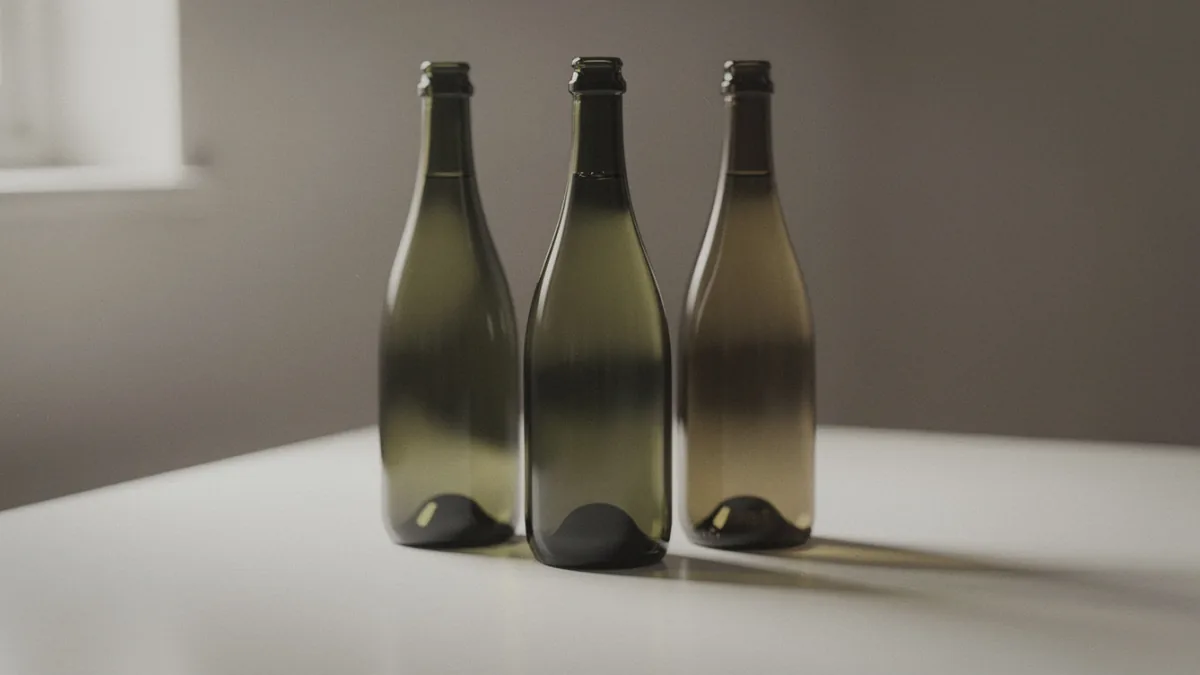
Three questions instead of a ranking
Where does the wine come from? How do the bubbles form? And how sweet is this particular bottle? These three questions will get you further than 'What's the best one?' In the traditional method, the second fermentation takes place in the bottle; in the tank method, it happens in a pressurized tank. Neither piece of information replaces your own taste.
With Champagne and Prosecco, origin means one thing above all: the name belongs to a specific region. It's not a flavor note and not a price tier. Sekt initially just tells you there's sparkling wine in the bottle. How the bubbles formed and how sweet the wine was made are noted separately on the label. These two details usually decide whether a bottle suits you.
The difference between bottle and tank sounds more technical than it tastes. In the traditional method, the second fermentation happens in the very vessel that later ends up in front of you. In the tank method, a larger batch ferments together and is then bottled. Both methods produce carbonation. Which one suits your taste better, you'll only discover in the glass.
Fruit or more like pastry?
If you're after a fresh, fruit-forward style, Prosecco is one possible direction. The relevant consortium describes the second fermentation for it as happening in a tank. If you prefer impressions reminiscent of bread crust, ask specifically for a bottle-fermented wine.
Don't buy based solely on the best-known name. State your budget and the sweetness level you want. Brut, in this context, is a sweetness indicator for a dry style. So an expensive Brut can be exactly the wrong choice if what you actually want is a softer, sweeter impression.
In a shop, a full sentence gets you further than a brand name. Say whether you like it fruity or more toward bread crust. Say how much you want to spend and what the bottle is for. Any wine merchant can work with that. Nobody can work with the question of what's best, because it doesn't reveal your taste.
A common misstep comes from good intentions. Brut sounds like quality, so Brut ends up in the shopping basket. But if you prefer something softer and sweeter, that bottle works against you no matter what it cost. The sweetness label is a style indicator, not a judgment of quality. You're free to choose it entirely to your own taste.

Comparing two bottles meaningfully
If you're comparing production methods, take two bottles with similar sweetness levels. Otherwise you end up judging the sugar rather than the style. Pour chilled into clean glasses. Afterward, note whether you prefer the fruit, the aroma, or the mouthfeel.
A small tasting is enough. This is about getting your bearings. Nobody needs to identify the priciest origin by taste alone. These labels are meant to make your choice easier, not to test you.
Set the two bottles side by side on the same evening, not on two separate weekends. Switching directly between the glasses tells you more than remembering last week. Same glasses, same temperature, no strongly scented food nearby. Even a small amount per glass is enough to notice differences in aroma and mouthfeel.
Jot down two or three words for each glass before tasting the other. Simple ones will do: apple, yeasty, soft, sharp. After a while in the glass, both wines change. Often it becomes clearer at that point which one you prefer. In the end, all that matters is which glass you want to pour more of.
Sparkling Wine, Champagne and Prosecco Compared
The name mainly tells you where a bottle comes from. The details next to it decide the style: production method and sweetness. Only together do they give you the full picture.
| Designation | What you assess first | What matters in addition |
|---|---|---|
| Sparkling wine | Specific origin and production method of the bottle | Sweetness and desired style |
| Champagne | Champagne origin | Specific bottling and sweetness level |
| Prosecco | Protected origin in northeastern Italy | Variant, sweetness and production method |
The three names don't mean the same thing
The most stubborn idea is the silent ranking in people's heads: Prosecco at the bottom, sparkling wine in the middle, Champagne at the top. But these names describe origins, not quality tiers. Within each designation there are huge differences in price and style. An affordable wine in the right style will bring more enjoyment to the table than an expensive one in the wrong style.
Just as common is the belief that bottle fermentation is automatically the better method. It leads in a particular flavor direction that many associate with brioche or fresh bread crust. If you're in the mood for fresh fruit, the tank method is the right choice for you. And if you like sweetness, seek it out deliberately. Talking yourself out of it because dry sounds more sophisticated won't bring anyone joy.
How to read the label step by step
Work through the shelf in the order of these three questions. First, the designation: it places the bottle within an origin. Then the note on production, meaning bottle fermentation or tank method. Finally the sweetness level, which tells you how the wine will come across in your mouth. This order protects you from simply following the most familiar word on the front label.
If a detail is missing or hard to find, ask. In a specialist wine shop, that's a completely normal question. The answer will get you to your goal faster than any rating score. Also, remember which combination you enjoyed most recently. Your next purchase will go much faster as a result.