The short answer
Prosecco is a protected origin in northeastern Italy, not a blanket term for Italian sparkling wine. The main grape is called Glera. The second fermentation usually happens in tanks, which gives the style its fruity character.
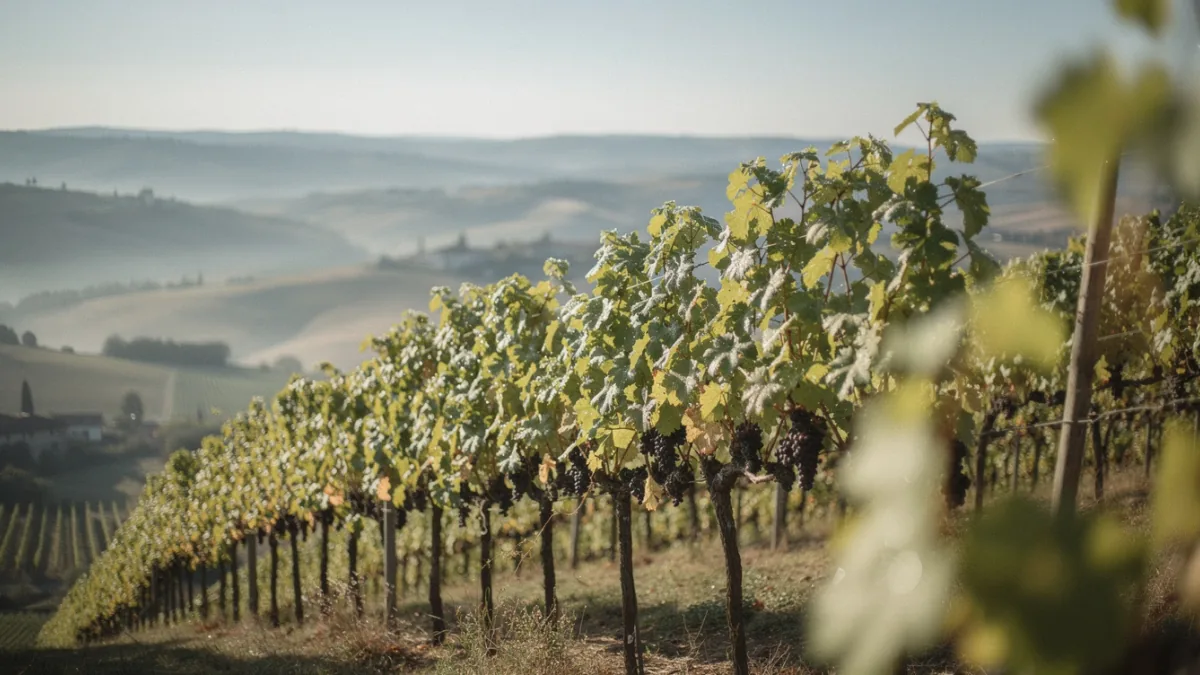
Prosecco: origin, Glera and production
The Prosecco DOC consortium names Glera as the main grape variety and describes the Martinotti method: the second fermentation takes place in a sealed tank. Also check the bottle for the exact origin and sweetness level.
What matters is the difference between a designation of origin and a style label. Prosecco first tells you where the wine comes from. Only after that does it say anything about how it tastes. In everyday use, many people treat the word as a synonym for sparkling wine. Once you drop that misconception, every label becomes easier to read, because you know what to look for.
The Martinotti method explains a lot about the taste. The second fermentation takes place in a sealed tank. Only afterward is the wine bottled. So the carbon dioxide pressure builds up in a large vessel. As a result, what ends up in your glass often stays close to the fruit character of Glera. It tends to taste bright and direct, rarely pronouncedly yeasty or bread-like.
On the back label you'll usually find both pieces of information together: the origin and the sweetness level. These two details tell you more about the bottle in your hand than any description of aromas. Take the ten seconds on the shelf to find them. They're often printed small, sometimes even on the neck of the bottle.
Extra Dry sounds drier than it is
If you're after minimal sweetness, don't let the English name mislead you. Extra Dry is a sweeter category than Brut. For your shopping, that's often more useful to know than a long list of tasting notes.
The scale doesn't follow what the English term implies. 'Extra Dry' sounds especially dry, but actually sits on the sweeter side of Brut. If you've ever found a bottle too sweet even though it said 'dry' on the label, you've experienced exactly this effect. That's not a flaw in the bottle—it's simply a matter of category.
Whether you notice residual sweetness also depends on temperature and what you're drinking the wine with. Well chilled and paired with salty snacks, sweetness fades into the background. Lukewarm and sipped on its own, it becomes far more noticeable. If you're unsure which category suits you, pay attention to the finish in your next glass: soft and round, or crisp and short?

What's printed on a Prosecco bottle
First look on the label for the name Prosecco along with the corresponding origin designation. If it just says 'Spumante' or a generic term for Italian sparkling wine, you're looking at a different category. The bottle shape and price can still look similar. That's not a judgment of quality—it simply explains why two bottles from the same shelf can taste different.
The second thing to check is the sweetness level. It's listed as its own word on the label, often in small print near the alcohol content. Comparing Brut and Extra Dry side by side on the shelf is the fastest way to discover your own preference. The flavor descriptions on the back label will help you far less.
Trying Prosecco alongside a sparkling wine
Take two bottles of the same type that differ only in sweetness level: one Brut, one Extra Dry. Chill both equally, pour into identical glasses and taste them alternately. After two rounds, you'll usually notice clearly which side you prefer. Jot down the result. That way, you won't have to ask the same question in the shop every time.
You can then repeat the same test with food. Paired with olives, chips or ham, the impression of both bottles changes—and not in the same direction. Someone who usually drinks Prosecco for toasting often reaches a different conclusion than someone pairing it with a meal. Both are valid. It's simply a different question.