Pale and Tart
Tasting
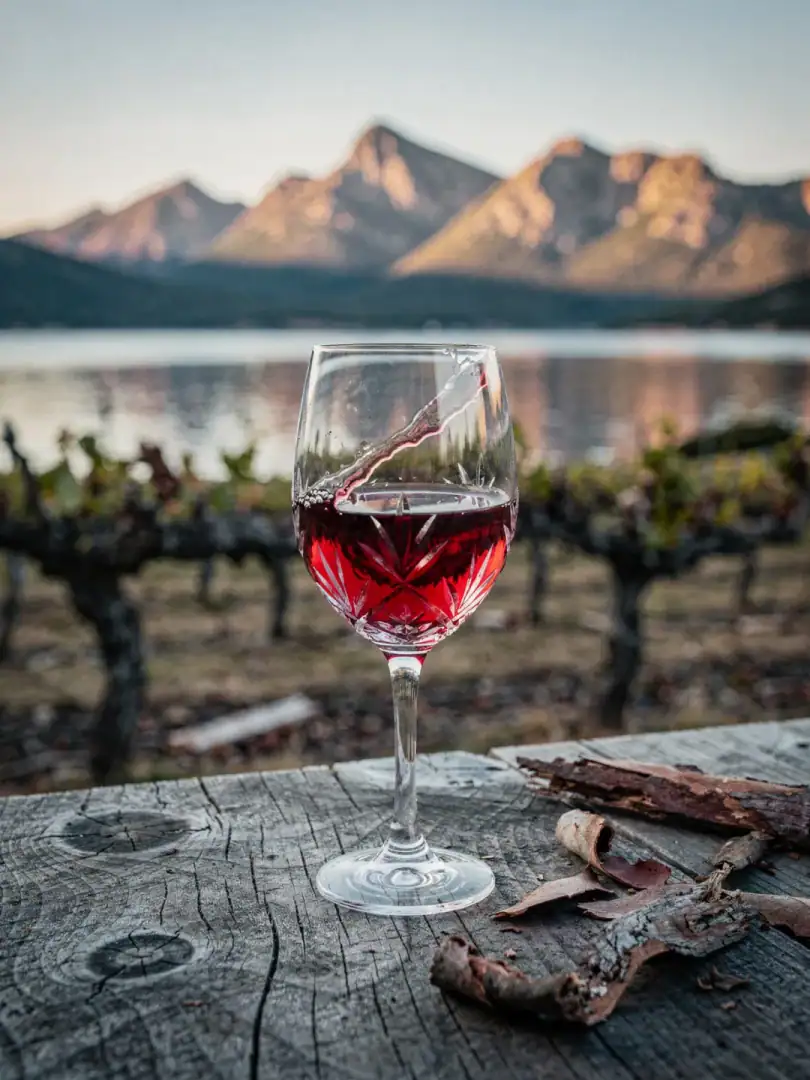
The colour deceives. Tasmanian Pinot Noir from the east coast around Freycinet is pale, sometimes almost like a robust rosé, and anyone who takes that as a sign of a light wine is badly mistaken. On the palate comes sour cherry. Cranberry joins in, along with dried herbs and often a hint of damp leaves that winemakers like to call "forest floor," without it ever becoming unpleasant.
Chardonnay shows itself taut. Wine from regions like the Tamar Valley tastes tighter than its mainland Australian counterpart, with grapefruit and green apple up front and a smoky note reminiscent of a just-extinguished match, known as reduction. The acidity lasts. It sits like a backbone and keeps the wine taut at its core even years later.
With sparkling wine, texture matters above all. Fine, long-lasting bubbles reveal extended lees aging, while coarse bubbles that fizz out quickly usually indicate shorter maturation and collapse faster in the glass. Brioche often follows. Sometimes there's a scent of toasted bread or a hint of honey, developed over years in contact with the spent yeast.
Sometimes small, clear crystals appear at the bottom of the bottle. This is tartrate, precipitated tartaric acid that settles out in the cold, and given the high acidity of Tasmanian wines, this happens more often here than elsewhere in Australia, even though inexperienced drinkers sometimes mistake it for glass shards. It has no taste. Simply pour carefully from the bottle and leave the last sip behind.