The short answer
Tasting is about noticing differences. You don't have to guess the grape variety, and you don't need to smell specific fruits either. What matters is your own impression. Write it down in your own words, and you'll already have more than any copied tasting note.
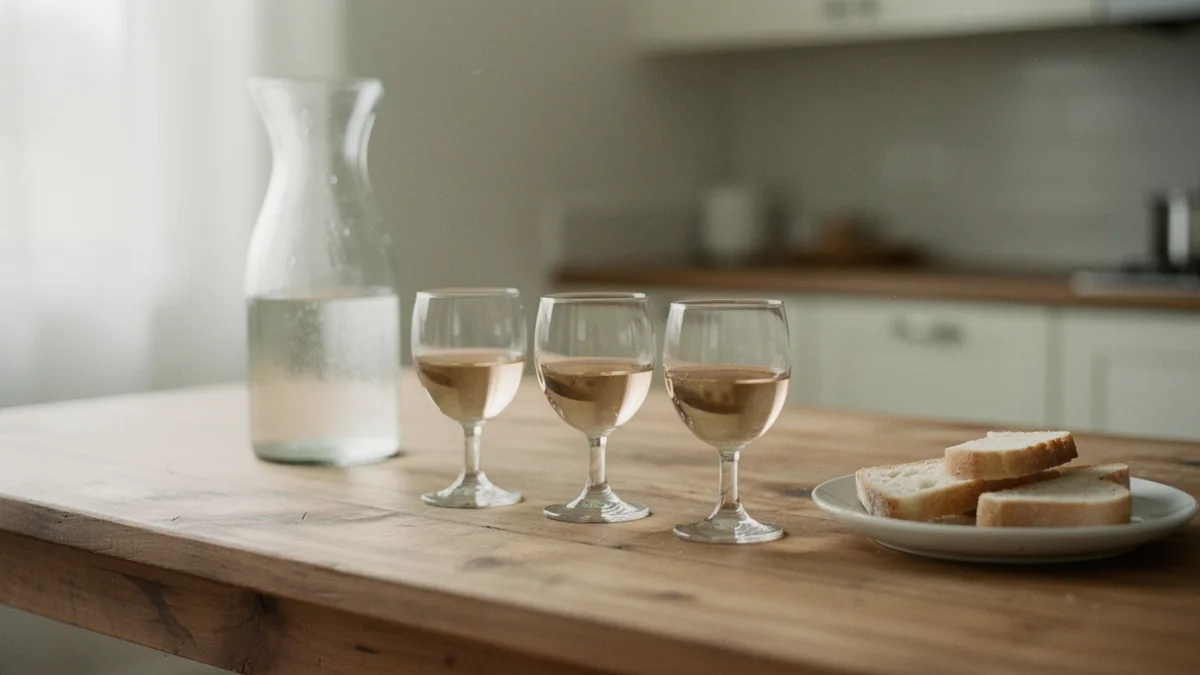
A Calm Start
Take a clean glass and pour a small amount. Look at the wine. Smell it first without moving it, then again after a gentle swirl. Take your time with this. If no specific aroma comes to mind, start with "fresh," "fruity," "spicy," or "barely any aroma."
Don't read the product description on the side. You can compare later. What you write down first should be what you actually perceived yourself. What's supposedly "correct" doesn't matter in that moment.
Pouring a small amount has a practical reason. In a half-empty glass, the aroma collects above the wine, and you can swirl without spilling. Hold the glass by the stem, so the bowl stays free of fingerprints and the wine warms up more slowly. For looking at the wine, a light background helps — a sheet of paper is all you need.
The difference between the first and second smell is really the whole exercise. Smell briefly, set the glass down, breathe normally, then smell again. You'll often notice more the second time. If nothing comes through at all, write down exactly that. "Barely any aroma" is a genuine observation, not a gap you need to fill.
Four Things to Notice in the Mouth
Is there any noticeable sweetness? How fresh does the wine feel? Does it feel light or full-bodied? Does anything feel rough on the tongue or gums? These four questions already describe a lot. Sugar, acidity, alcohol, and tannin each contribute something different to the mouthfeel.
You don't have to swallow when tasting. Have water and a spit cup ready once you're comparing several wines. Small sips are enough, and taking a break is always fine.
Go through the four questions in the same order every time. That way the impressions blend together less. You'll usually notice sweetness right away. Freshness shows up a second or two later, through saliva flow. Light or full-bodied is a question of weight in the mouth, similar to milk with different fat contents. The gripping sensation comes last, when the tongue and gums start to feel drier.
One point causes confusion again and again: fruity aroma and sweetness are two different things. A wine can smell like ripe fruit and still taste completely dry. So write the aroma and the mouthfeel down separately. If you taste calmly, with water in between, your perception stays reliable across several samples.
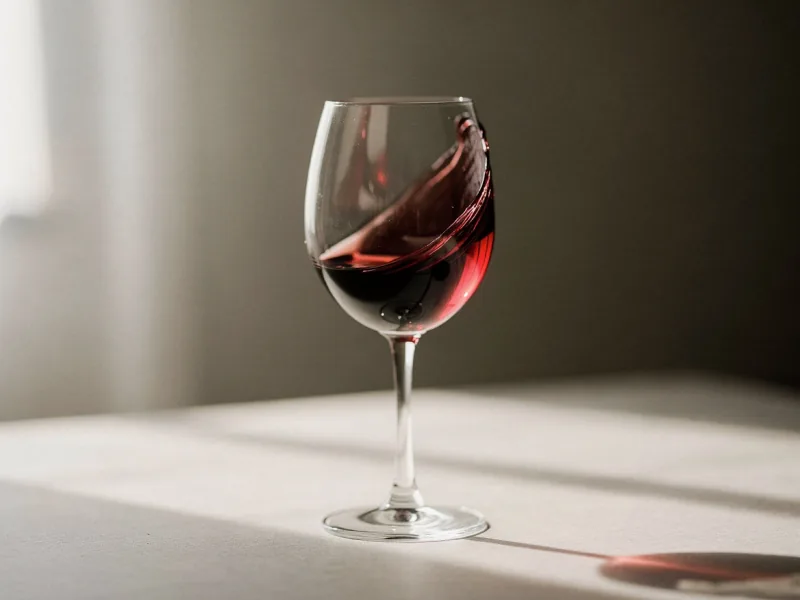
Writing a Useful Note
One example: "Pear aroma, not much sweetness, fairly soft, went well with dinner." Or shorter: "Smells interesting, but too intense for me." Add the name of the bottle and the date. The note only needs to make sense to you.
If you're tasting together, write your notes separately first and discuss afterward. That way nobody accidentally pins the whole group to a single impression. Different answers are normal, since preferences and perception vary. For your next purchase, the description that helps you is the one that counts.
The real value of a tasting note only shows up when you read it back later. After ten or twenty entries, you'll start spotting patterns. What kind of freshness do you like? Do you tend to finish light or full-bodied wines more easily? On which occasions did something taste especially good? That's exactly why the name and date matter more than any elegant phrasing. Without a name, you'll never find that bottle again.
Write in your own words, even if they sound clumsy. "Bites at the back," "tastes like nothing," or "I'd buy this again" are all perfectly useful sentences. A borrowed technical term, on the other hand, is no use to you as long as you can't connect it to an actual sensory impression.
What Often Goes Wrong When Tasting
Many people believe a tasting only counts as successful once the grape variety has been guessed correctly. That's a specialist skill for people who practice it daily. It has no bearing on your own personal taste. Just as common is the idea that there's one correct list of aromas for each wine. Two people at the same table often smell different things, and both are right.
Spitting out wine also tends to get mocked. It simply keeps your head clear. If you're comparing several wines side by side, you want to be perceiving things just as accurately at the fourth glass as at the first. And a wine you don't like is still a result. Note it down and move on — you don't need a justification that would convince anyone else.
How to Get Started at Home
Set two clearly different wines side by side and pour a small amount into each glass. Go through the same steps for each: look, smell without moving, smell with movement, the four questions in the mouth, then write it down. Afterward, compare the two notes. The difference between them tells you more than either description on its own.
Keep the session short. Two or three wines are enough to start with. Have water and some bread on hand. You can cover the labels until everyone has written their notes. Only afterward do you reveal the bottles and read the product descriptions. Whatever matches up will please you. Whatever doesn't still remains your honest impression.