From Fundo to Icon Wine
Region & History
Tadpoles gave the valley its name. The Mapuche called the area Colchagua: colthau for tadpole, hue for place, long before a single vine stood here. The Spanish only brought the grapevine later. The name from the Mapuche language remained older than any vine in the valley.
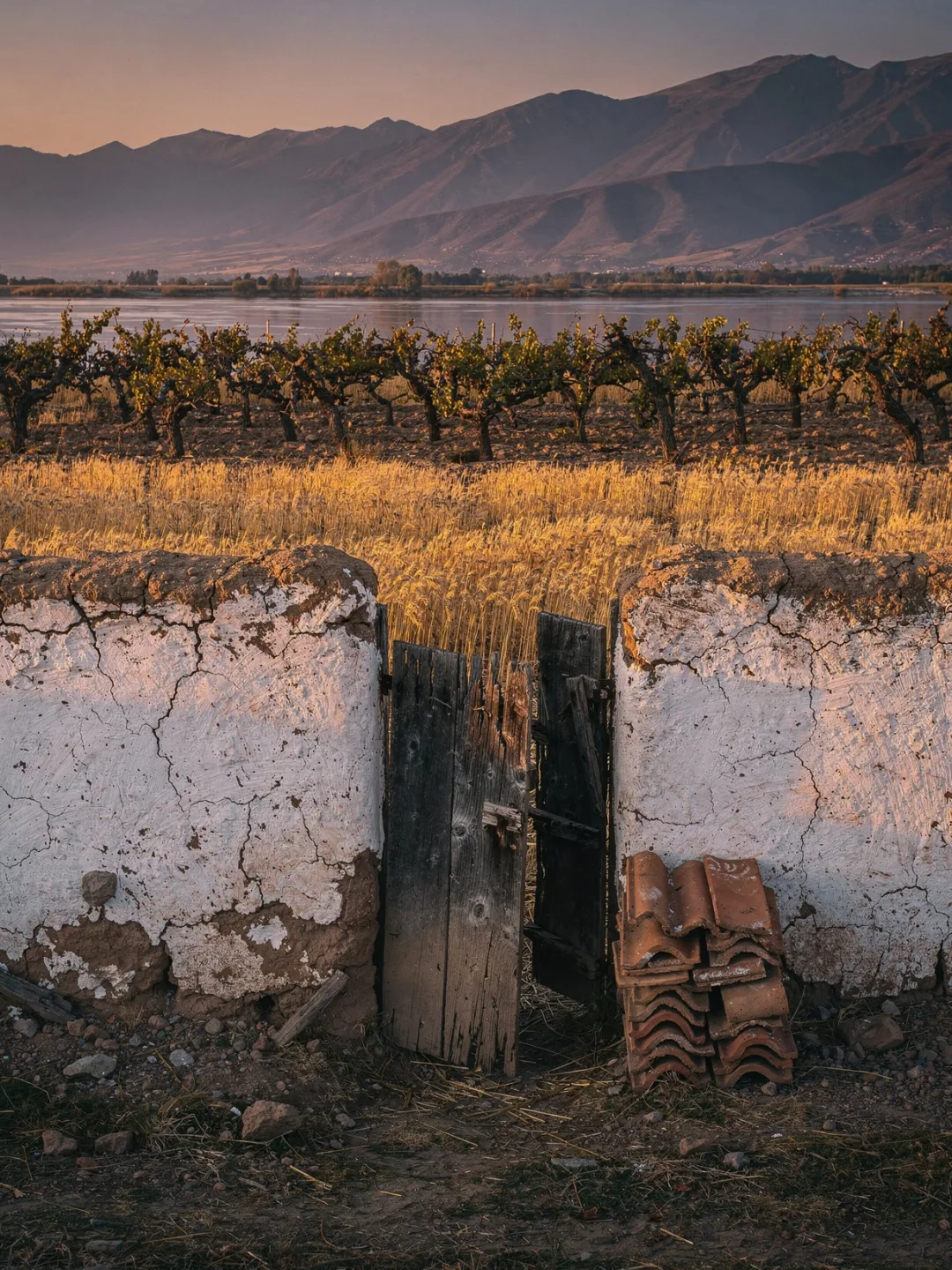
On May 17, 1742, Governor José Manso de Velasco founded a town in the middle of the swampy land between the Tinguiririca and the Antivero river, which he named Villa San Fernando de Tinguiririca. Three hundred families received land there. From this grew San Fernando, still the provincial capital of Colchagua today, surrounded by large estates known as fundos, where a leasehold system called inquilinaje held sway: the tenant was allowed to farm a small plot for himself, but owed the landlord almost the entire year's labor in return. Wheat for Peru drove this system, not wine.
A quirk of geography spared Colchagua from phylloxera, the pest that destroyed nearly all of Europe's vineyards in the nineteenth century. Atacama to the north, the Andes to the east, the Pacific to the west. None of it let the louse through. That's why Colchagua still has ungrafted, own-rooted vines today, and when the Frenchwoman Alexandra Marnier-Lapostolle discovered an overgrown patch of vines in the Apalta amphitheater in 1994, the vines were ungrafted and estimated to date from 1915.
That same year brought a second discovery. In November 1994, an ampelographer from Montpellier recognized that supposed Merlot vines in a vineyard near Santiago were in fact Carmenère, a Bordeaux variety missing for a hundred and fifty years. It was officially recognized in 1998. Colchagua, above all Apalta and Peralillo, became one of the places where it ripens best. Aurelio Montes had already begun planting hillsides instead of valley floors back in 1988, against the advice of most of his neighbors.
Today the valley carries the title Zona Valle de Colchagua, established in Chile's appellation law since 1994. Santa Cruz opened the country's first wine route in 1996. A year earlier, the Museo de Colchagua had opened. In 2005, Wine Enthusiast magazine named Colchagua Wine Region of the Year. Tadpole country had become wine country.