Hand over Mass
Winemaking
In the past, one thing above all determined the wine: how much of it flowed into the tank. For Liebfraumilch, only quantity counted, not the vineyard site. A hectare could bear whatever it was capable of producing. The grapes were machine-harvested and pressed quickly into the cellar, often already in September — long before the flavors had truly ripened.
A VDP.Grosses Gewächs from Rheinhessen today follows the opposite rules. The grapes are hand-picked, often over several passes spread across weeks, and yields are kept well below the legal maximum. Only once the must weight reaches a defined minimum ripeness is harvesting even permitted — rules the growers' association sets stricter than state wine law itself.
As much has changed in the cellar since the early 2000s as in the vineyard. Where cultivated yeast strains once ensured a safe, neutral fermentation, many Rheinhessen winemakers now let the grapes ferment with their own wild yeasts from the skins. This spontaneous fermentation is slower and less predictable, but is considered truer to the character of the site. Almost nothing sweet remains afterward — nearly all Grosses Gewächs wines ferment through to the very last gram of sugar.
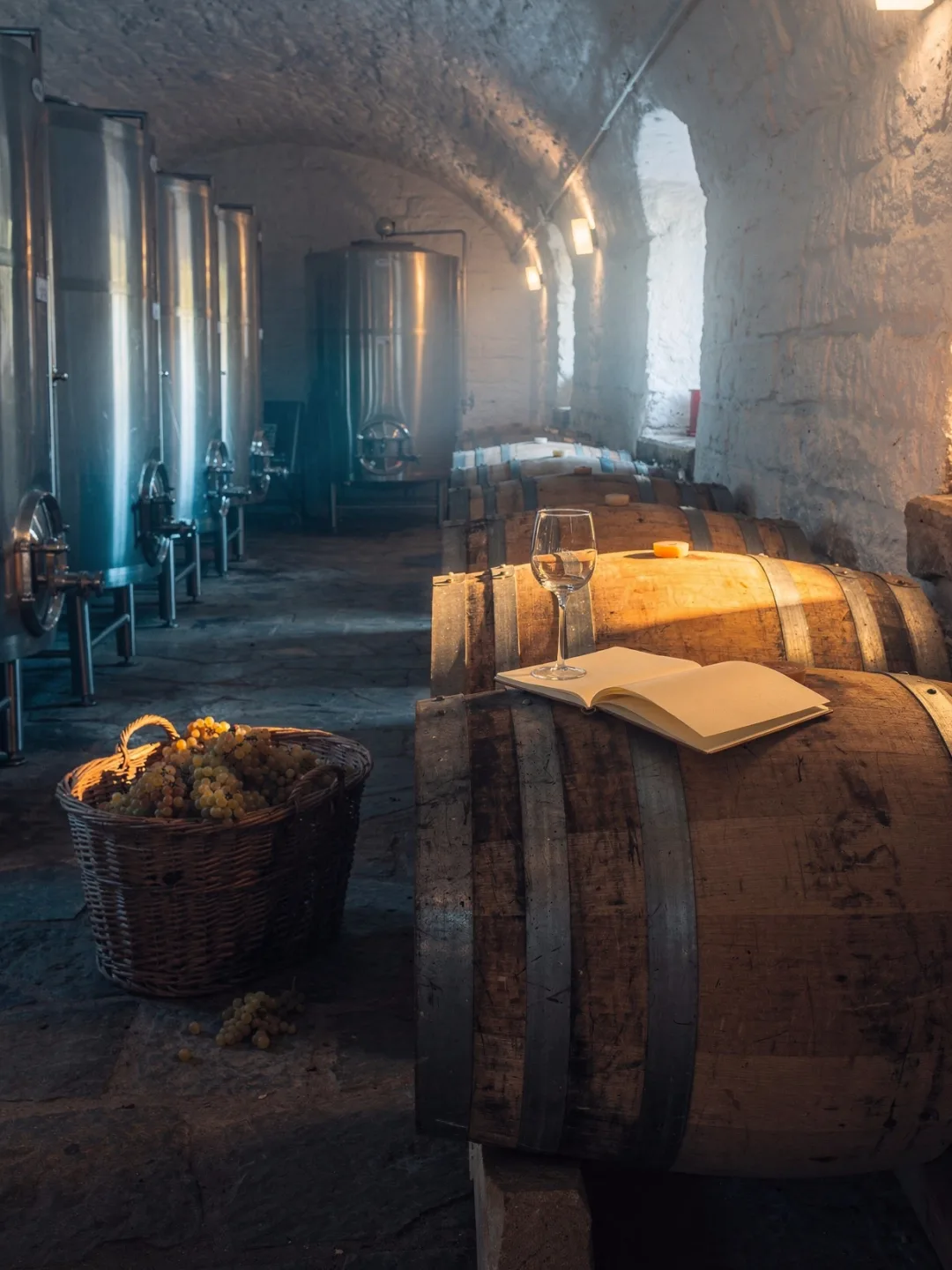
The wine is usually aged in large, used wooden casks or stainless steel tanks, rarely in new barriques. New oak would mask the fine fruit and mineral notes of the Rotliegend, and it's exactly those notes that are meant to shine. Some estates therefore leave their Grosses Gewächs wines on the fine lees for over a year before bottling at all. The lees bind oxygen, protecting the wine from premature aging.
What emerges in the end is an entirely different wine — one that shares almost nothing with the Liebfraumilch of old except the postal code. That earlier wine was quick, sweet, and meant for immediate drinking. Today's Grosses Gewächs, by contrast, often only reaches its best form after five or ten years. Between the two lies a complete reversal of values: from yield to vineyard site, from sugar to dryness, from mass production to handwork.