Ried, Village, Region
Production
Since the 2023 vintage, Thermenregion DAC has followed a three-tier hierarchy of origin, set out in the Thermenregion DAC regulations. At the base sits the Gebietswein (regional wine). It's made from ten approved grape varieties or as a Gemischter Satz (field blend), with a minimum alcohol content of 12.0 percent and always vinified dry. Rosé, or a so-called Gleichgepresster (co-pressed blend), is not permitted under this designation.
The second tier carries the name of a village, such as Gumpoldskirchner or Bad Vöslauer Ortswein, made from eight rather than ten varieties. Producers can apply for the official inspection number no earlier than March 1st of the following year — meaning the wine needs at least one winter of rest before it can carry the label.
At the top sits Riedenwein, named after a single vineyard site. Only six varieties are permitted here, including Zierfandler, Rotgipfler and St. Laurent, the minimum alcohol content rises to 12.5 percent, and yields are capped at 6,000 kilograms of grapes or 4,500 liters of wine per hectare — noticeably lower than at the other tiers. The application can be filed no earlier than July 1st of the following year.
For Gumpoldskirchner village and single-vineyard wines, an additional rule applies: no enrichment is allowed. The sugar in the wine must come entirely from the grape, with no help from the cellar master. This forces growers to let Zierfandler and Rotgipfler truly ripen, rather than compensating for a weak harvest in the tank.
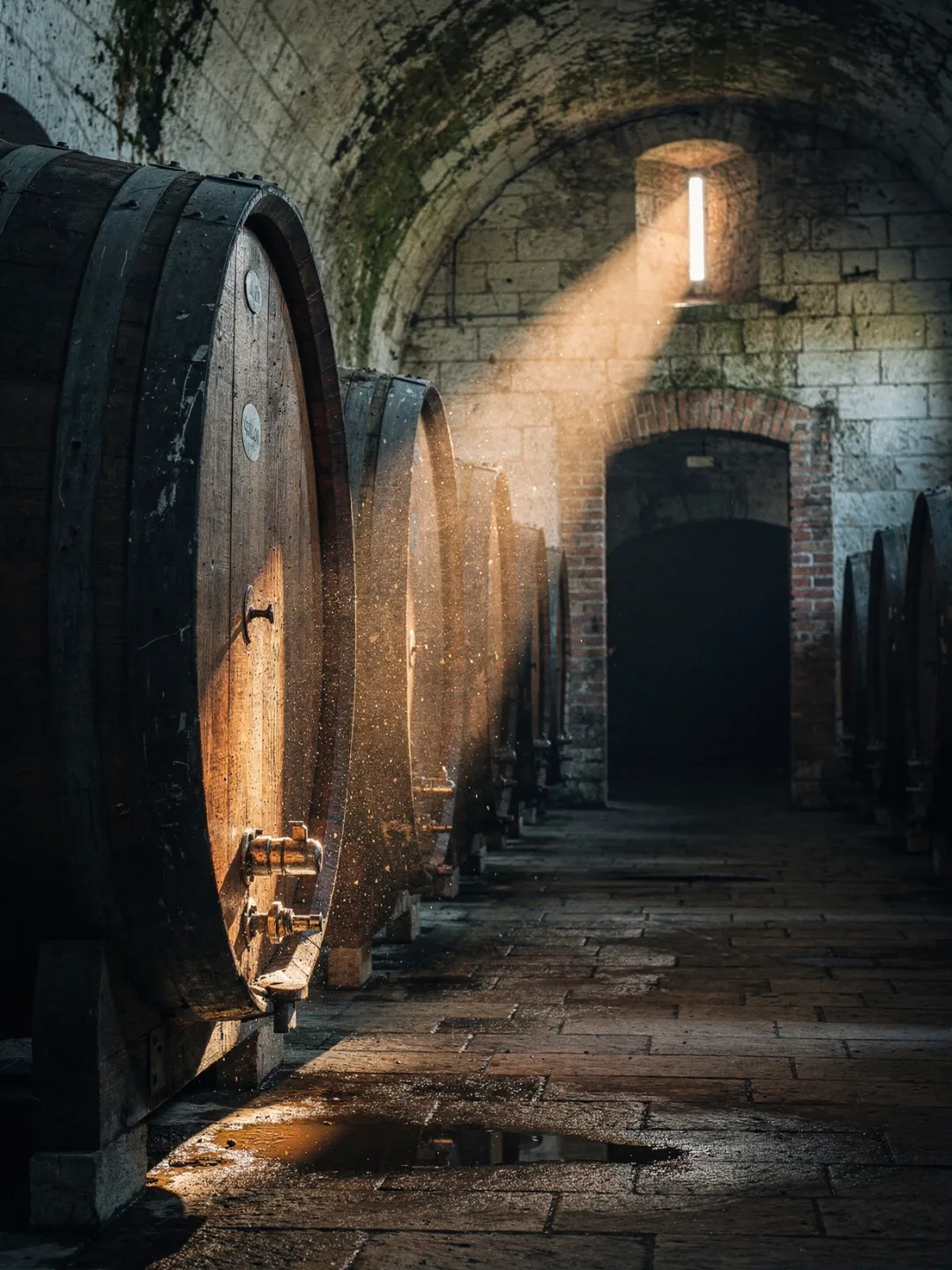
Red wine is handled quite differently. St. Laurent and Blauburgunder ferment on the skins, usually for two to three weeks, so that color and fine tannin transfer into the wine. Many producers then age the wine in large old casks rather than small new oak barrels, so the delicate cherry fruit of these thin-skinned varieties isn't masked by vanilla and toasty notes.