The short answer
Dry, off-dry, and sweet, for still wine, only tell you one thing: how much sugar remained in the wine after fermentation. This remainder is called residual sugar. The terms say nothing about aroma, and nothing about mouthfeel either. Feinherb, by the way, isn't a legally defined category.
The limits for still wine
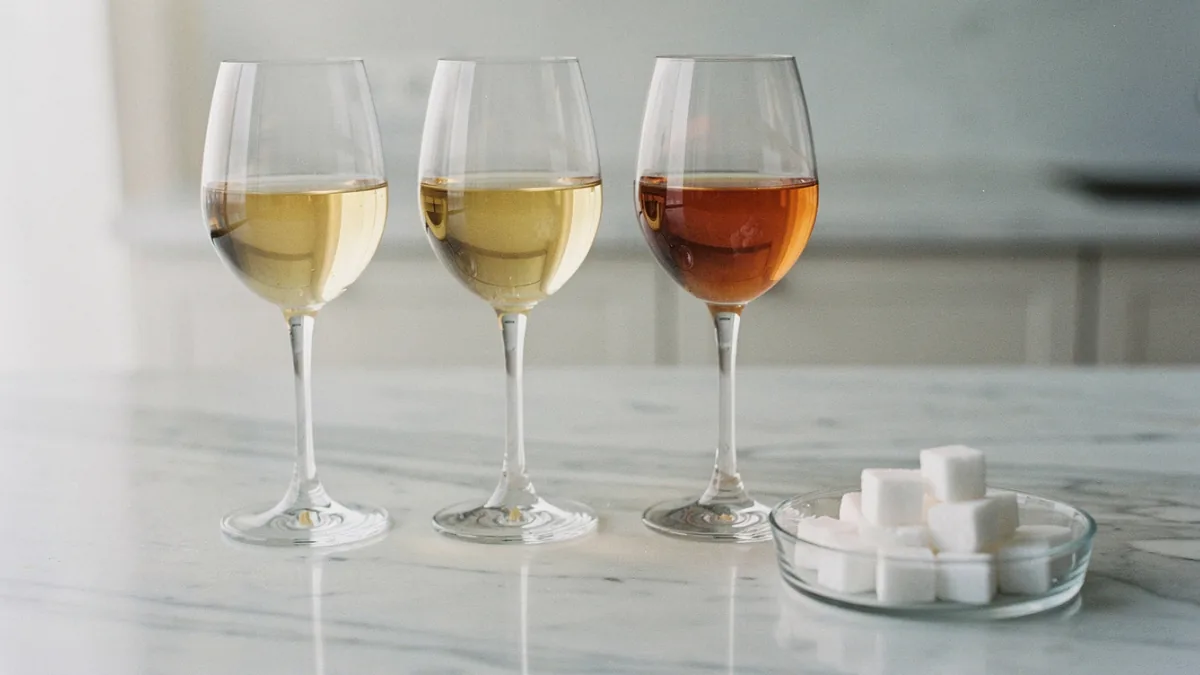
Dry means: up to 4 grams of sugar per liter. With high acidity, up to 9 grams are allowed. In that case, the sugar may exceed the total acidity by no more than 2 grams per liter. Off-dry goes up to 12 grams, and under the same acidity condition, up to 18 grams. The sugar here may exceed total acidity by no more than 10 grams. Medium-sweet begins above the off-dry threshold and ends at 45 grams. Anything above that is called sweet.
This classification doesn't apply unchanged to sparkling wine. A sparkling wine labeled dry can taste noticeably sweeter than a dry still wine.
All these figures refer to residual sugar, meaning the sugar left over after fermentation. Why there's a second condition involving acidity becomes clear once you taste it. Acidity pushes sweetness into the background. A wine with strong acidity is therefore allowed to contain more sugar and still be called dry. On the tongue, after all, it doesn't taste sweet.
In practice, this means two bottles with the same label often contain different amounts of sugar. A dry wine with 4 grams and one with 9 grams, given the right acidity, sit side by side on equal footing in the shop. The label marks a range, not a fixed value. With sparkling wine, this range shifts once again. So a second look is worthwhile as soon as you switch from sparkling wine to still wine.
What this means for your shopping
You don't need to memorize these numbers. First look on the label for the written sweetness description. If it says feinherb, ask about the specific style. If you want as little sweetness as possible, don't read "fruity" as the opposite of dry. A peach aroma is not a sugar level.
When comparing, it's best to separate two questions: How sweet does it taste? And how fresh does it feel? A sweet wine can certainly be fresh too. If you like off-dry or sweet wines, that's not a sign of inexperience. It's simply a preference, and you're free to name it exactly that way when ordering.
Because feinherb isn't strictly defined, you can't read a sugar level from it. Two bottles bearing this word sometimes taste quite different from each other. Every producer means something slightly different by it. At the shop or in a restaurant, a simple question helps: does the wine lean closer to dry or to off-dry? That usually gets you a useful answer.
When ordering, a description will get you further than hunting for the right technical term. Just say you'd like a wine that's barely sweet but has plenty of fruity aroma. Both wishes go well together. Someone who only says "dry," on the other hand, often ends up with something different from what they had in mind.
Where "dry" is most often misunderstood
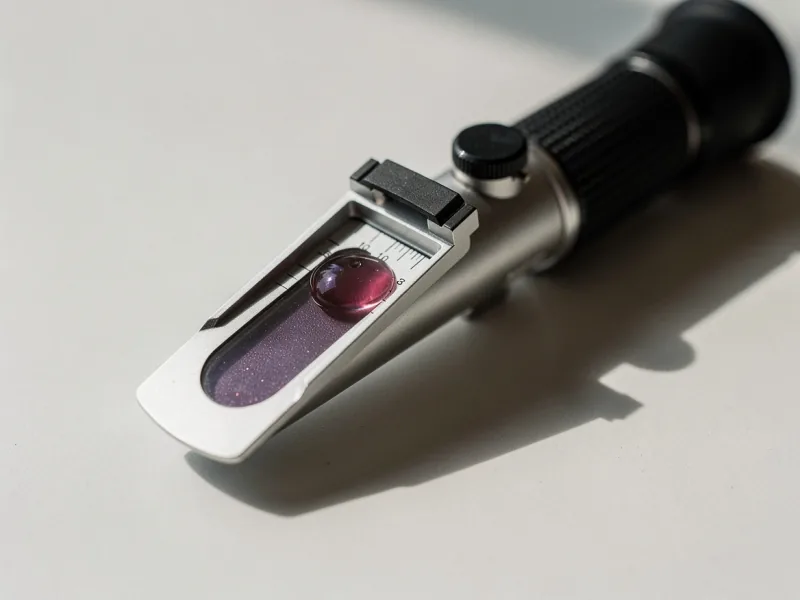
Fruity describes the aroma and the impression in the mouth, not the sugar. A wine can smell of apple or lemon and still be completely fermented dry. Conversely, there are wines with noticeable sweetness that barely smell of fruit at all. These are two separate observations. Keep them separate when you're tasting, too.
There's also a persistent idea that dry has something to do with a rough, harsh mouthfeel. What's actually meant is a different quality altogether, and it has nothing to do with the sweetness label. Nor does it imply any ranking. Dry isn't a higher tier, and off-dry isn't a lower one. The term simply tells you how much sugar is in the wine.
How to taste the difference for yourself
For comparison, grab two bottles with different sweetness labels, say dry and off-dry. Ideally both come from the same grape variety. Pour both into the same type of glass at the same temperature. Start with the dry wine. Sweetness lingers longer on the palate and will color your impression of the next sip.
As you taste, pay attention to two things in sequence. First: do you notice sweetness on the tip of your tongue? Second: how fresh does the wine feel after you swallow? Many people are surprised by how little sweetness has to do with aroma. After two or three comparisons like this, you'll barely need the gram figures anymore.