Region, Village, Vineyard
Tasting
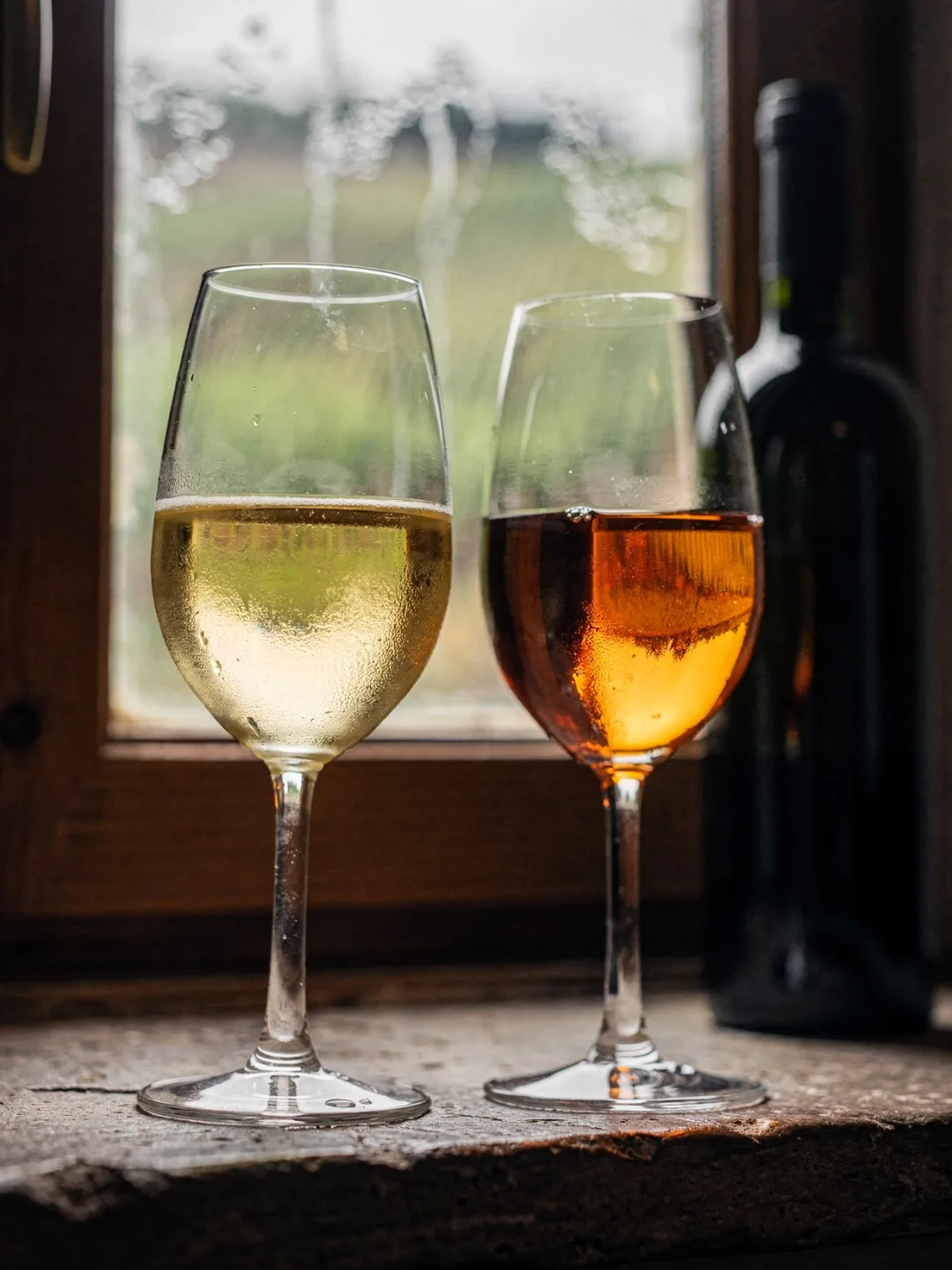
The best way to learn Wagram isn't from one bottle, but from three. Line up a regional wine, a village wine, and a single-vineyard wine from the same variety side by side, ideally Grüner Veltliner. This lets you taste the DAC pyramid exactly as it's meant to be tasted: from the bottom up, from the broad region to the single site.
The regional wine opens the lineup. It may come from anywhere in Wagram, tastes straightforward with green apple and citrus peel, and is made for easy drinking, not for contemplation. The village wine comes next and must originate from one of the twenty-seven approved municipalities, such as Fels am Wagram or Kirchberg am Wagram. It shows more body, since it may only be made from riper, single-variety grapes, and the citrus note gives way to riper stone fruit.
At the very top stands the single-vineyard wine, named after one specific site. Only Grüner Veltliner, Roter Veltliner, and Riesling may reach this level. The difference from the two wines before it is rarely subtle: more density, a longer finish, sometimes a faint toasted note from the loess that you might imagine, but probably really do taste. Wines like this can handle five, ten years in the cellar without tiring.
Set a Roter Veltliner from the same site next to it, and the difference between the two varieties becomes instantly tangible. The color stands out first, deeper, almost golden-yellow instead of straw-yellow. On the nose follow ripe apple, quince, and a touch of nut. On the palate, an extract lingers on the tongue, quite unlike the lean freshness of the Grüner. Taste both back to back, and you'll instantly understand why, despite the shared name, you should never mistake one for the other. That's exactly what makes the difference.