Yield over quantity
Production
How much a vineyard is allowed to produce in Jumilla isn't a matter of chance, but a figure written into the regulations. On traditionally planted plots with loosely spaced old vines, a maximum of five thousand kilograms of grapes per hectare is permitted. Denser, modern plantings may yield almost double that, but chasing volume rarely comes with concentration attached. The old plots yield less, but the grapes carry more within them.
The real work in the cellar begins with the skin. Because Monastrell is naturally thick-skinned and rich in color, even a moderate maceration period is enough to draw color and tannin into the wine. Too long, and the wine turns hard rather than powerful. The grapes are destemmed, lightly crushed, and fermented with the skins floating along, slowly releasing their compounds into the must.
In the past, one thing mattered above all: as much color and as much alcohol as possible. The classic vino de doble pasta was made by adding a second batch of crushed grapes to wine that had already been pressed. Everything fermented again until an almost black, high-proof concentrate emerged. It was a trade commodity, not a wine meant for one's own table. That only changed in 1993, when Casa Castillo bottled its first wine under its own name, marking the start of an era in Jumilla when bodegas began finishing their own grapes rather than shipping them north by tanker truck.
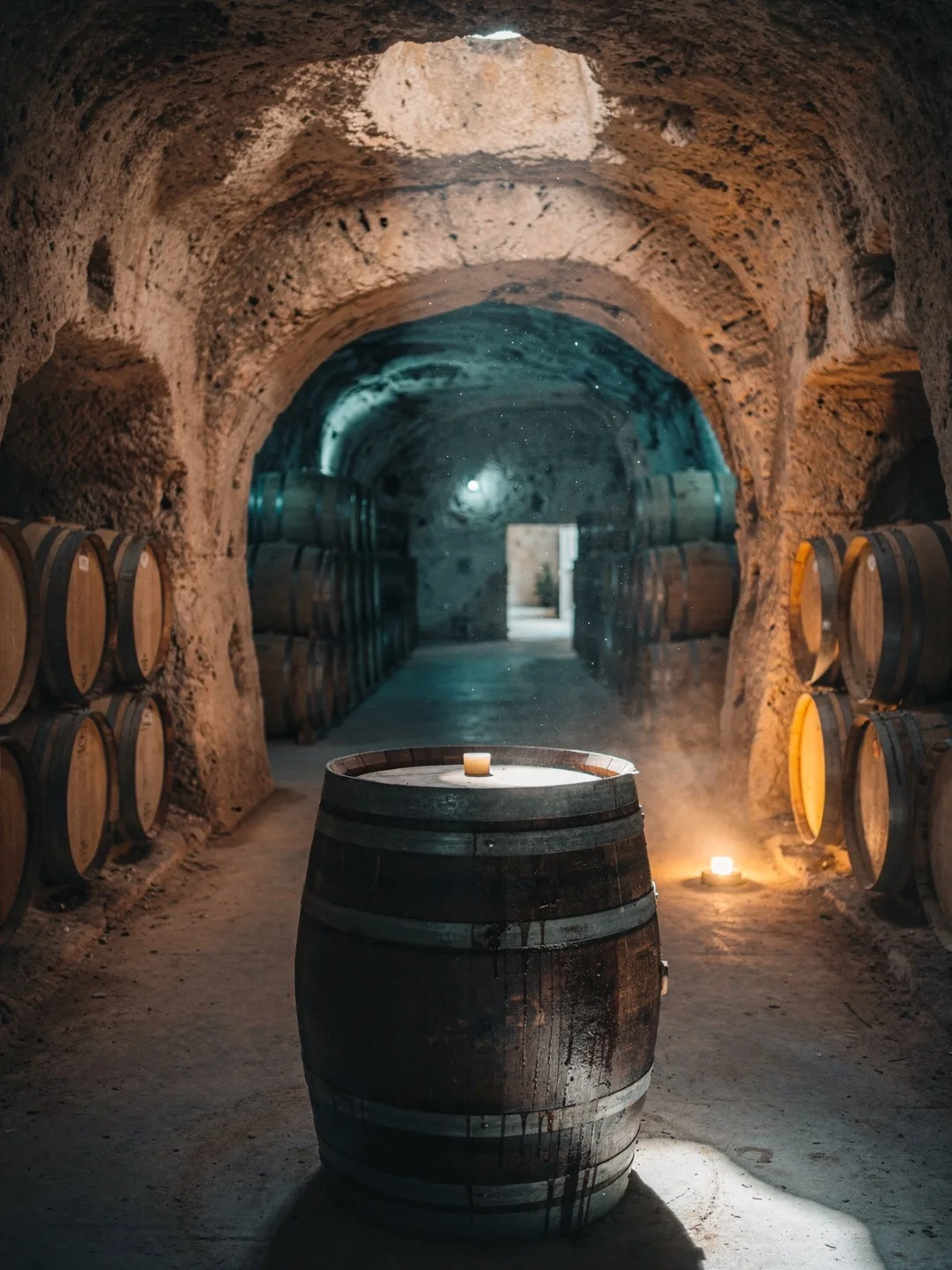
Since then, the label may also carry Crianza, Reserva, and Gran Reserva, along with the rarer terms Noble, Añejo, and Viejo. The Denominación hasn't set its own, stricter time requirements for these. So the standard Spanish minimums apply: two years for Crianza, three for Reserva, five for Gran Reserva, each with part of that time spent in oak. Reserva and Gran Reserva can therefore never end up in a bag-in-box, even though simple Jumilla wines can. By definition, they require time in the bottle, and that can't be shortcut.